比尔·盖茨什么时候成为亿万富翁的?
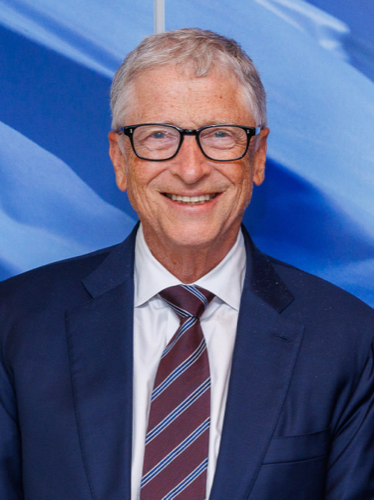
最新的可信估计将比尔·盖茨的净资产定为约九十四点九十亿美元,发布于二〇二六年十月六日,根据彭博社。
Published estimates ranged $65 billion to $104 billion between June 12, 2026 to October 6, 2026 (historical, different dates — not today's uncertainty).
这是一个主要与微软和他的投资持股相关的估计:它随着股价波动,并不是银行账户中的现金。
Last checked October 16, 2026.
这是如何验证的
GeoGazet 汇集来自多个渠道的最近发布的净资产估计。仅当至少两个信息来源一致或权威追踪机构(福布斯、彭博社)报告时,才会显示一个数字。标题是来自信誉良好的来源的最新估计,显示为单一来源、数字和日期。每一行说明日期是信息来源自己的估值日期还是文章发布日期。异常值规则:任何低于最近估计中位数的 0.4 倍或高于 2.5 倍的数字都将被删除。范围是过去不同日期发布的估计的跨度,不是对今天数字的不确定性的衡量。
阅读完整报告显示更少
微软财富之路
盖茨于1975年与保罗·艾伦共同创立微软公司,将公司从一个小型软件创业公司发展成为占主导地位的个人计算机操作系统提供商。十多年来,盖茨担任首席执行官一职,同时为公司的发展战略提供主要的技术远景。微软在1980年代的爆炸性增长,由国际商业机器公司采用MS DOS和随后的视窗操作系统的主导地位所推动,创造了非凡的股东价值,使盖茨在1990年代初成为世界上最富有的人。
当前角色与地缘政治影响力
截至2026年,盖茨仍是微软的联合创始人,同时通过比尔及梅琳达·盖茨基金会保持着重大影响力,该基金会是世界上最大的慈善组织之一。他在地缘政治追踪系统中的影响力得分为100分中的10分,反映了他在特定焦点领域而非广泛政治权力上的实质性影响。盖茨在地缘政治情报数据库中至少被追踪了100起已记录事件,将他定位为全球发展和技术政策事项上的一贯发言人。
近期人工智能与全球不平等问题的关注
Gates has emerged as a prominent figure warning about artificial intelligence risks to global equity. Recent public statements include assertions that "governments worldwide are way behind on AI" and warnings about AI potentially widening the global divide between wealthy and developing nations. He is allocating one billion dollars through his foundation specifically to prevent artificial intelligence from exacerbating global inequality, directing these funds toward developing world applications in agriculture, healthcare, and education.
长期财富与慈善影响
Gates has donated the majority of his original Microsoft fortune to philanthropic causes over the past two decades, systematically reducing his personal wealth while expanding the foundation's global health and development work. His initial billionaire status in 1987 represented the beginning of a wealth trajectory that peaked at approximately 101 billion dollars in the early 2000s before declining through sustained charitable giving. The foundation now operates as one of the most influential non state actors in global public health policy, pandemic preparedness, and development finance, often working directly with governments and international organizations to shape policy and direct resources to priority areas.