比尔·盖茨净资产
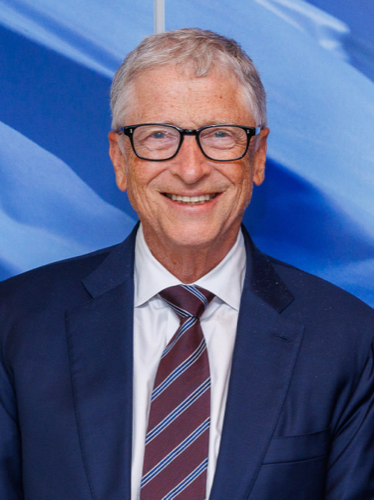
最新的可信估计将比尔·盖茨的净资产定为约九十四点九十亿美元,发布于二〇二六年十月六日,根据彭博社。
Published estimates ranged $65 billion to $104 billion between June 12, 2026 to October 6, 2026 (historical, different dates — not today's uncertainty).
这是一个主要与微软和他的投资持股相关的估计:它随着股价波动,并不是银行账户中的现金。
Last checked October 16, 2026.
这是如何验证的
GeoGazet 汇集来自多个渠道的最近发布的净资产估计。仅当至少两个信息来源一致或权威追踪机构(福布斯、彭博社)报告时,才会显示一个数字。标题是来自信誉良好的来源的最新估计,显示为单一来源、数字和日期。每一行说明日期是信息来源自己的估值日期还是文章发布日期。异常值规则:任何低于最近估计中位数的 0.4 倍或高于 2.5 倍的数字都将被删除。范围是过去不同日期发布的估计的跨度,不是对今天数字的不确定性的衡量。
阅读完整报告显示更少
微软财富基金会
盖茨在1975年共同创立了微软,并在2014年卸任首席执行官之前将其发展成了一个科技巨人。他在该公司的原始股份产生了他早期财富积累的大部分,即使在分散他的投资组合后,他仍保留了重大股权。在过去的十年中,盖茨逐步减少了他的微软股份以资助慈善倡议,尽管该公司仍然是他净资产计算的核心。
多元化投资组合
除了微软之外,盖茨通过个人投资和比尔及梅琳达·盖茨基金会在技术、农业、能源和医疗保健部门持有大量资产。该基金会本身控制着大约75亿美元的资产,专门用于全球卫生、发展和教育倡议。盖茨积极将资本转向新兴市场和气候解决方案,战略性地定位其财富围绕未来增长领域,而不是维持被动持股。
人工智能和全球发展焦点
Gates is currently spending $1 billion to ensure artificial intelligence development does not widen the global divide between wealthy and developing nations. Recent public statements underscore his concern that governments worldwide are lagging behind on AI policy and implementation. This investment reflects his broader strategy of using capital to influence technological trajectories toward equitable outcomes, particularly in healthcare and agriculture for low income countries. His GeoGazet tracked influence score of 10 out of 100 indicates his direct political power remains modest despite substantial financial resources, suggesting his impact operates primarily through philanthropic channels rather than formal governance roles.
财富管理和未来方向
Gates has committed to giving away virtually all his wealth within two decades, with the Gates Foundation receiving increasing annual allocations. His recent focus on AI safeguards and pandemic preparedness signals where he expects future crises and opportunities to emerge. The specific allocation of $1 billion toward AI equity demonstrates how Gates converts net worth into strategic influence on global development patterns, targeting resources toward preventing scenarios he identifies as high risk. This approach positions Gates as a significant non state actor shaping policy discussions around emerging technology, though his actual political leverage remains constrained compared to his financial magnitude.