Bill Gates Net Worth
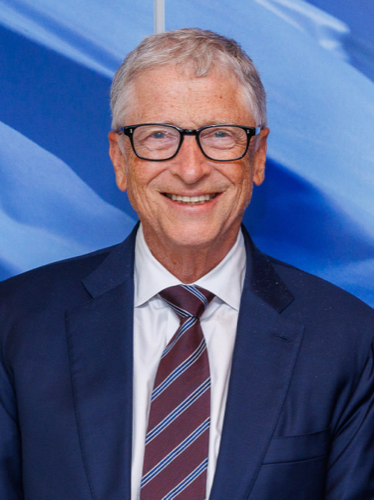
The latest reputable estimate puts Bill Gates's net worth at about $94.9 billion, published October 6, 2026, according to Bloomberg.
Published estimates ranged $65 billion to $104 billion between June 12, 2026 to October 6, 2026 (historical, different dates — not today's uncertainty).
This is an estimate tied mostly to Microsoft and his investment holdings: it moves with the share price and is not cash in the bank.
Last checked October 16, 2026.
How this is verified
GeoGazet collects recent published net worth estimates from multiple outlets. A figure is shown only when at least two sources agree or an authoritative tracker (Forbes, Bloomberg) reports it. The headline is the latest estimate from a reputable source, shown as a single source, figure and date. Each row states whether the date is the source's own valuation date or the article publication date. Outlier rule: any figure below 0.4 times or above 2.5 times the median of recent estimates is dropped. The range is a span of past published estimates on different dates, not a measure of uncertainty about the figure today.
Read the full reportShow less
Microsoft Wealth Foundation
Gates cofounded Microsoft in 1975 and built it into a technology giant before stepping down as CEO in 2014. His original stake in the company generated the bulk of his early wealth accumulation, and he retained significant equity even after diversifying his portfolio. Over the past decade, Gates has gradually reduced his Microsoft shareholdings to fund philanthropic initiatives, though the company remains central to his net worth calculation.
Diversified Investment Portfolio
Beyond Microsoft, Gates holds substantial assets across technology, agriculture, energy, and healthcare sectors through personal investments and the Bill and Melinda Gates Foundation. The foundation itself controls approximately $75 billion in assets dedicated to global health, development, and education initiatives. Gates has actively shifted capital toward emerging markets and climate solutions, positioning his wealth strategically around future growth areas rather than maintaining passive holdings.
AI and Global Development Focus
Gates is currently spending $1 billion to ensure artificial intelligence development does not widen the global divide between wealthy and developing nations. Recent public statements underscore his concern that governments worldwide are lagging behind on AI policy and implementation. This investment reflects his broader strategy of using capital to influence technological trajectories toward equitable outcomes, particularly in healthcare and agriculture for low income countries. His GeoGazet tracked influence score of 10 out of 100 indicates his direct political power remains modest despite substantial financial resources, suggesting his impact operates primarily through philanthropic channels rather than formal governance roles.
Wealth Management and Future Direction
Gates has committed to giving away virtually all his wealth within two decades, with the Gates Foundation receiving increasing annual allocations. His recent focus on AI safeguards and pandemic preparedness signals where he expects future crises and opportunities to emerge. The specific allocation of $1 billion toward AI equity demonstrates how Gates converts net worth into strategic influence on global development patterns, targeting resources toward preventing scenarios he identifies as high risk. This approach positions Gates as a significant non state actor shaping policy discussions around emerging technology, though his actual political leverage remains constrained compared to his financial magnitude.