صافي ثروة بيل غيتس
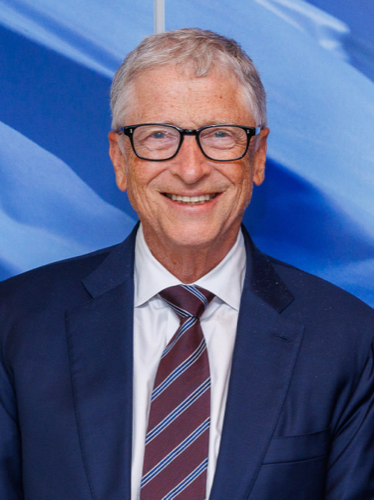
آخر تقدير موثوق يضع ثروة بيل غيتس بحوالي 94.9 مليار دولار، نُشر في 6 أكتوبر 2026، وفقاً لبلومبرغ.
Published estimates ranged $65 billion to $104 billion between June 12, 2026 to October 6, 2026 (historical, different dates — not today's uncertainty).
هذا تقدير مرتبط في الغالب بمايكروسوفت وممتلكاته الاستثمارية: فهو يتحرك مع سعر السهم وليس نقوداً في البنك.
Last checked October 16, 2026.
كيفية التحقق من هذا
GeoGazet يجمع تقديرات القيمة الصافية المنشورة مؤخراً من عدة منافذ إعلامية. يتم عرض الرقم فقط عندما توافق عليه مصدران على الأقل أو يقدمه متتبع موثوق (فوربس، بلومبيرج). العنوان الرئيسي هو أحدث تقدير من مصدر موثوق، معروض كمصدر واحد ورقم وتاريخ. يوضح كل صف ما إذا كان التاريخ هو تاريخ التقييم الخاص بالمصدر أو تاريخ نشر المقالة. قاعدة القيم الشاذة: يتم حذف أي رقم أقل من 0.4 مرة أو أعلى من 2.5 مرة من وسيط التقديرات الأخيرة. النطاق هو امتداد التقديرات المنشورة السابقة في تواريخ مختلفة، وليس مقياساً لعدم اليقين بشأن الرقم اليوم.
اقرأ التقرير الكاملإظهار أقل
مؤسسة مايكروسوفت للثروة
أسس جيتس شركة ميكروسوفت عام ١٩٧٥ وحولها إلى عملاق تكنولوجي قبل أن يتنحى عن منصب الرئيس التنفيذي عام ٢٠١٤. أنتجت حصته الأصلية في الشركة معظم تراكم ثروته الأولى، وظل يحتفظ بحقوق ملكية كبيرة حتى بعد تنويع محفظته. على مدى العقد الماضي، قلل جيتس تدريجياً من حيازاته في ميكروسوفت لتمويل المبادرات الخيرية، على الرغم من أن الشركة لا تزال مركزية في حساب صافي ثروته.
محفظة استثمارية متنوعة
بعيداً عن مايكروسوفت، يمتلك غيتس أصولاً كبيرة عبر قطاعات التكنولوجيا والزراعة والطاقة والرعاية الصحية من خلال الاستثمارات الشخصية وأساس بيل وميليندا غيتس. يتحكم الأساس نفسه بحوالي 75 مليار دولار من الأصول المخصصة لمبادرات الصحة العالمية والتنمية والتعليم. قام غيتس بتحويل رأس المال بنشاط نحو الأسواق الناشئة والحلول المناخية، مما وضع ثروته بشكل استراتيجي حول مناطق النمو المستقبلية بدلاً من الحفاظ على الحيازات السلبية.
التركيز على الذكاء الاصطناعي والتنمية العالمية
Gates is currently spending $1 billion to ensure artificial intelligence development does not widen the global divide between wealthy and developing nations. Recent public statements underscore his concern that governments worldwide are lagging behind on AI policy and implementation. This investment reflects his broader strategy of using capital to influence technological trajectories toward equitable outcomes, particularly in healthcare and agriculture for low income countries. His GeoGazet tracked influence score of 10 out of 100 indicates his direct political power remains modest despite substantial financial resources, suggesting his impact operates primarily through philanthropic channels rather than formal governance roles.
إدارة الثروة والاتجاه المستقبلي
Gates has committed to giving away virtually all his wealth within two decades, with the Gates Foundation receiving increasing annual allocations. His recent focus on AI safeguards and pandemic preparedness signals where he expects future crises and opportunities to emerge. The specific allocation of $1 billion toward AI equity demonstrates how Gates converts net worth into strategic influence on global development patterns, targeting resources toward preventing scenarios he identifies as high risk. This approach positions Gates as a significant non state actor shaping policy discussions around emerging technology, though his actual political leverage remains constrained compared to his financial magnitude.