When Did Bill Gates Became a Billionaire
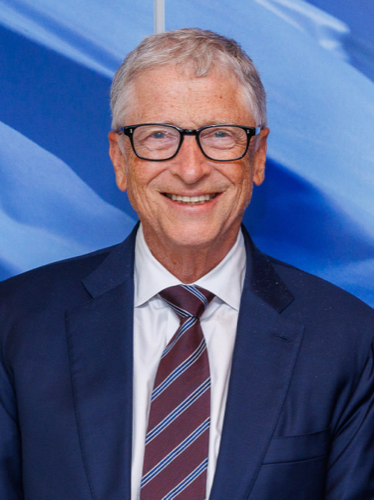
The latest reputable estimate puts Bill Gates's net worth at about $94.9 billion, published October 6, 2026, according to Bloomberg.
Published estimates ranged $65 billion to $104 billion between June 12, 2026 to October 6, 2026 (historical, different dates — not today's uncertainty).
This is an estimate tied mostly to Microsoft and his investment holdings: it moves with the share price and is not cash in the bank.
Last checked October 16, 2026.
How this is verified
GeoGazet collects recent published net worth estimates from multiple outlets. A figure is shown only when at least two sources agree or an authoritative tracker (Forbes, Bloomberg) reports it. The headline is the latest estimate from a reputable source, shown as a single source, figure and date. Each row states whether the date is the source's own valuation date or the article publication date. Outlier rule: any figure below 0.4 times or above 2.5 times the median of recent estimates is dropped. The range is a span of past published estimates on different dates, not a measure of uncertainty about the figure today.
Read the full reportShow less
The Path to Microsoft Wealth
Gates cofounded Microsoft in 1975 with Paul Allen, building the company from a small software startup into the dominant personal computer operating system provider. For over a decade, Gates held the position of Chief Executive Officer while also serving as the primary technical visionary for the company's development strategy. Microsoft's explosive growth during the 1980s, driven by IBM's adoption of MS DOS and the subsequent dominance of Windows operating systems, created extraordinary shareholder value that made Gates the world's wealthiest individual by the early 1990s.
Current Role and Influence in Geopolitics
As of 2026, Gates remains cofounder of Microsoft while maintaining significant influence through the Bill and Melinda Gates Foundation, one of the world's largest philanthropic organizations. His influence score in geopolitical tracking systems stands at 10 out of 100, reflecting his substantial but specific focus areas rather than broad political power. Gates has tracked at least 100 documented events in geopolitical intelligence databases, positioning him as a consistent voice on global development and technology policy matters.
Recent Focus on Artificial Intelligence and Global Inequality
Gates has emerged as a prominent figure warning about artificial intelligence risks to global equity. Recent public statements include assertions that "governments worldwide are way behind on AI" and warnings about AI potentially widening the global divide between wealthy and developing nations. He is allocating one billion dollars through his foundation specifically to prevent artificial intelligence from exacerbating global inequality, directing these funds toward developing world applications in agriculture, healthcare, and education.
Long Term Wealth and Philanthropic Impact
Gates has donated the majority of his original Microsoft fortune to philanthropic causes over the past two decades, systematically reducing his personal wealth while expanding the foundation's global health and development work. His initial billionaire status in 1987 represented the beginning of a wealth trajectory that peaked at approximately 101 billion dollars in the early 2000s before declining through sustained charitable giving. The foundation now operates as one of the most influential non state actors in global public health policy, pandemic preparedness, and development finance, often working directly with governments and international organizations to shape policy and direct resources to priority areas.