Khi nào Bил Gейтс Trở thành Tỷ phú
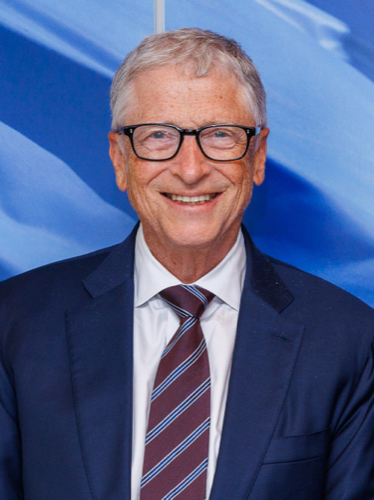
Bill Gates became a billionaire in 1987 when Microsoft's stock price surged following the company's initial public offering in March 1986.
His net worth crossed the one billion dollar mark within approximately one year of Microsoft going public.
Đọc báo cáo đầy đủHiển thị ít hơn
Con Đường Tới Sự Giàu Có Của Micrô Sôft
Gê-tơ đồng sáng lập Microsofte năm 1975 cùng với Phao Ô-len, xây dựng công ty từ một công ty khởi nghiệp phần mềm nhỏ thành nhà cung cấp hệ điều hành máy tính cá nhân chiếm ưu thế. Trong hơn một thập kỷ, Gê-tơ nắm giữ vị trí Giám đốc điều hành kiêm đóng vai trò là nhà lãnh đạo kỹ thuật chính cho chiến lược phát triển của công ty. Sự tăng trưởng bùng nổ của Microsofte trong những năm 1980, được thúc đẩy bởi việc IBM áp dụng MS DOS và sự thống trị tiếp theo của các hệ điều hành Windows, đã tạo ra giá trị cổ đông phi thường khiến Gê-tơ trở thành người giàu nhất thế giới vào đầu những năm 1990.
Vai Trò Hiện Tại và Ảnh Hưởng trong Địa Chính Trị
Tính đến năm 2026, Gê-tơ vẫn là đồng sáng lập viên của Mi-crô-sôft đồng thời duy trì ảnh hưởng đáng kể thông qua Quỹ Bíll và Mê-lin-đa Gê-tơ, một trong những tổ chức từ thiện lớn nhất thế giới. Điểm ảnh hưởng của ông trong các hệ thống theo dõi địa chính trị đạt 10 trên 100, phản ánh sự tập trung đáng kể nhưng cụ thể của ông vào các lĩnh vực trọng tâm thay vì quyền lực chính trị rộng lớn. Gê-tơ đã theo dõi ít nhất 100 sự kiện được ghi chép trong các cơ sở dữ liệu tình báo địa chính trị, định vị ông là một tiếng nói nhất quán về các vấn đề phát triển toàn cầu và chính sách công nghệ.
Tập Trung Gần Đây vào Trí Tuệ Nhân Tạo và Bất Bình Đẳng Toàn Cầu
Gates has emerged as a prominent figure warning about artificial intelligence risks to global equity. Recent public statements include assertions that "governments worldwide are way behind on AI" and warnings about AI potentially widening the global divide between wealthy and developing nations. He is allocating one billion dollars through his foundation specifically to prevent artificial intelligence from exacerbating global inequality, directing these funds toward developing world applications in agriculture, healthcare, and education.
Sự Giàu Có Lâu Dài và Tác Động Từ Thiện
Gates has donated the majority of his original Microsoft fortune to philanthropic causes over the past two decades, systematically reducing his personal wealth while expanding the foundation's global health and development work. His initial billionaire status in 1987 represented the beginning of a wealth trajectory that peaked at approximately 101 billion dollars in the early 2000s before declining through sustained charitable giving. The foundation now operates as one of the most influential non state actors in global public health policy, pandemic preparedness, and development finance, often working directly with governments and international organizations to shape policy and direct resources to priority areas.