Wann wurde Bill Gates Milliardär
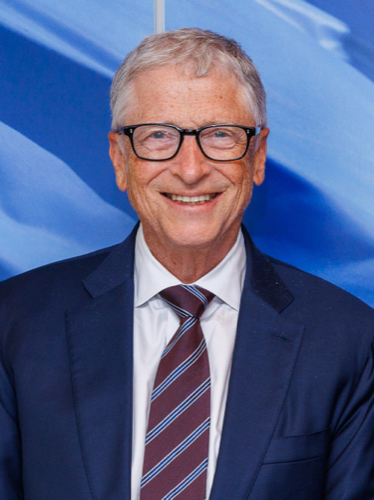
Bill Gates became a billionaire in 1987 when Microsoft's stock price surged following the company's initial public offering in March 1986.
His net worth crossed the one billion dollar mark within approximately one year of Microsoft going public.
Vollständigen Bericht lesenWeniger anzeigen
Der Weg zu Microsofts Wohlstand
Gejts gründete Microsoft 1975 zusammen mit Paul Alen und baute das Unternehmen von einem kleinen Software-Startup zum dominanten Anbieter von Betriebssystemen für Personal Computer auf. Über ein Jahrzehnt lang war Gejts Geschäftsführer und diente gleichzeitig als primärer technischer Visionär für die Entwicklungsstrategie des Unternehmens. Microsofts explosives Wachstum in den 1980er Jahren, angetrieben durch IBMs Übernahme von MS DOS und die nachfolgende Dominanz von Windows-Betriebssystemen, schuf außergewöhnlichen Aktionärswert, der Gejts in den frühen 1990er Jahren zum reichsten Menschen der Welt machte.
Aktuelle Rolle und Einfluss in der Geopolitik
Seit 2026 bleibt Gейтс Mitbegründer von Майкрософт, während er erheblichen Einfluss durch die Stiftung Bilл унд Мелинда Гейтс beibehält, eine der größten gemeinnützigen Organisationen der Welt. Sein EinflussScore in geopolitischen Verfolgungssystemen beträgt 10 von 100, was seinen erheblichen aber spezifischen Fokusbereich widerspiegelt, anstatt breiter politischer Macht. Гейтс wurden mindestens 100 dokumentierte Ereignisse in geopolitischen Geheimdatenbanken nachverfolgt, was ihn als konstante Stimme in Fragen zur globalen Entwicklung und Technologiepolitik positioniert.
Jüngster Fokus auf Künstliche Intelligenz und globale Ungleichheit
Gates has emerged as a prominent figure warning about artificial intelligence risks to global equity. Recent public statements include assertions that "governments worldwide are way behind on AI" and warnings about AI potentially widening the global divide between wealthy and developing nations. He is allocating one billion dollars through his foundation specifically to prevent artificial intelligence from exacerbating global inequality, directing these funds toward developing world applications in agriculture, healthcare, and education.
Langfristige Vermögensbildung und philanthropische Auswirkungen
Gates has donated the majority of his original Microsoft fortune to philanthropic causes over the past two decades, systematically reducing his personal wealth while expanding the foundation's global health and development work. His initial billionaire status in 1987 represented the beginning of a wealth trajectory that peaked at approximately 101 billion dollars in the early 2000s before declining through sustained charitable giving. The foundation now operates as one of the most influential non state actors in global public health policy, pandemic preparedness, and development finance, often working directly with governments and international organizations to shape policy and direct resources to priority areas.