Origins and Escalation
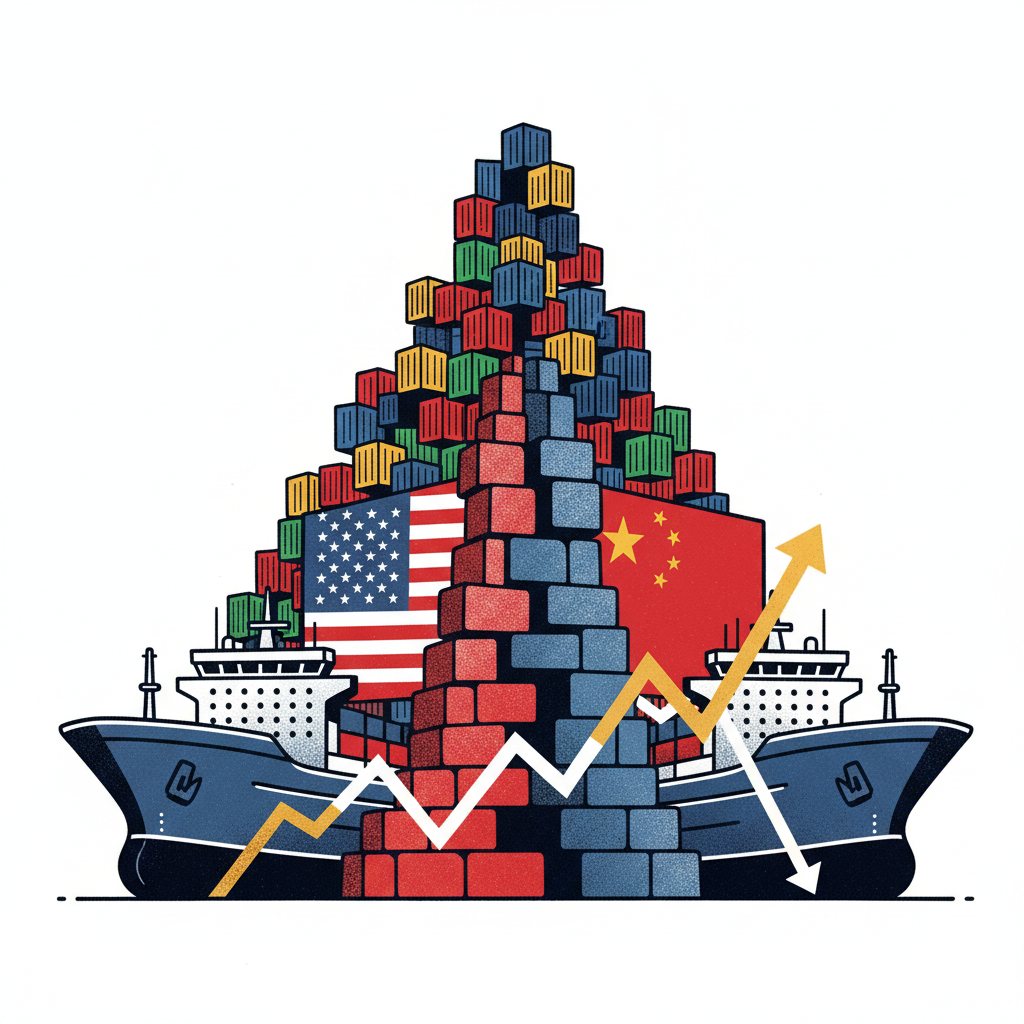
The catalysts for the 2018 trade war were multifaceted, primarily driven by US concerns regarding a substantial trade deficit with China, alleged intellectual property theft, forced technology transfer, and state subsidies providing unfair advantages to Chinese companies. Beginning in January 2018 with US tariffs on imported solar panels and washing machines, the conflict dramatically intensified in July and August as the Trump administration imposed 25% tariffs on $50 billion worth of Chinese goods, followed by 10% tariffs on an additional $200 billion. China responded in kind, targeting US agricultural products and other goods. This cycle of escalation transformed what began as specific trade disputes into a broad economic confrontation, creating considerable uncertainty for businesses and supply chains worldwide.
Economic Impact and Key Players
The trade war had demonstrable economic consequences for both nations and the global economy. While the stated goal for the US was to protect domestic industries and reduce the trade deficit, American sectors, particularly agriculture, experienced significant losses. For example, recent GeoGazet tracking includes the signal "Trump Tariff Fallout: Indiana Farmers Lost $607M from US-China Trade War," an indicator of direct financial hardship. This signal, echoed in subsequent tracking as "Trump Tariff Fallout: Indiana Farmers Lost $607M from US-China Trade War," highlights the specific and substantial economic repercussions for key American sectors. The primary actors and topics connected by signal volume during this period remain China (35 tracked signals), Tariffs & Trade (27 tracked signals), and the United States (11 tracked signals), illustrating the core focus of the conflict.
Geopolitical Context and Historical Parallels
The 2018 trade war did not occur in isolation; it represented a culmination of growing geopolitical and economic rivalry between the US and China. While specific in its tariff-based approach, it mirrored historical instances of economic protectionism and strategic competition, such as the Smoot-Hawley Tariff Act of 1930, albeit on a much larger and more interconnected global stage. The conflict underscored a broader shift in US-China relations from an era of strategic engagement to one of strategic competition. GeoGazet has tracked a total of 48 events related to this evolving dynamic, providing a comprehensive historical graph. The GeoGazet signal "US-China Relations in the Trump 2.0 Era: A Timeline" further contextualizes the ongoing evolution of these relations beyond the initial trade war phase.
Legacy and Current State
Although a "Phase One" trade deal was signed in January 2020, significantly de-escalating the tariff war, many of the tariffs remain in place, and underlying structural issues persist. The 2018 trade war's current influence score is 8/100, indicating its diminished but still relevant impact on present geopolitical analysis and economic policy. Its legacy includes accelerating the diversification of global supply chains and prompting a re-evaluation of economic interdependence between the US and China.
What to Watch For Next
Future developments will likely involve continued strategic competition, potentially manifesting in areas beyond traditional trade, such as technology, critical minerals, and digital governance. The prospect of further tariff adjustments or new trade policies, particularly in an election year, warrants close observation. The implementation of existing agreements and the pursuit of new diplomatic avenues will also define the trajectory of US-China economic relations.