Evolving Geopolitical Landscape
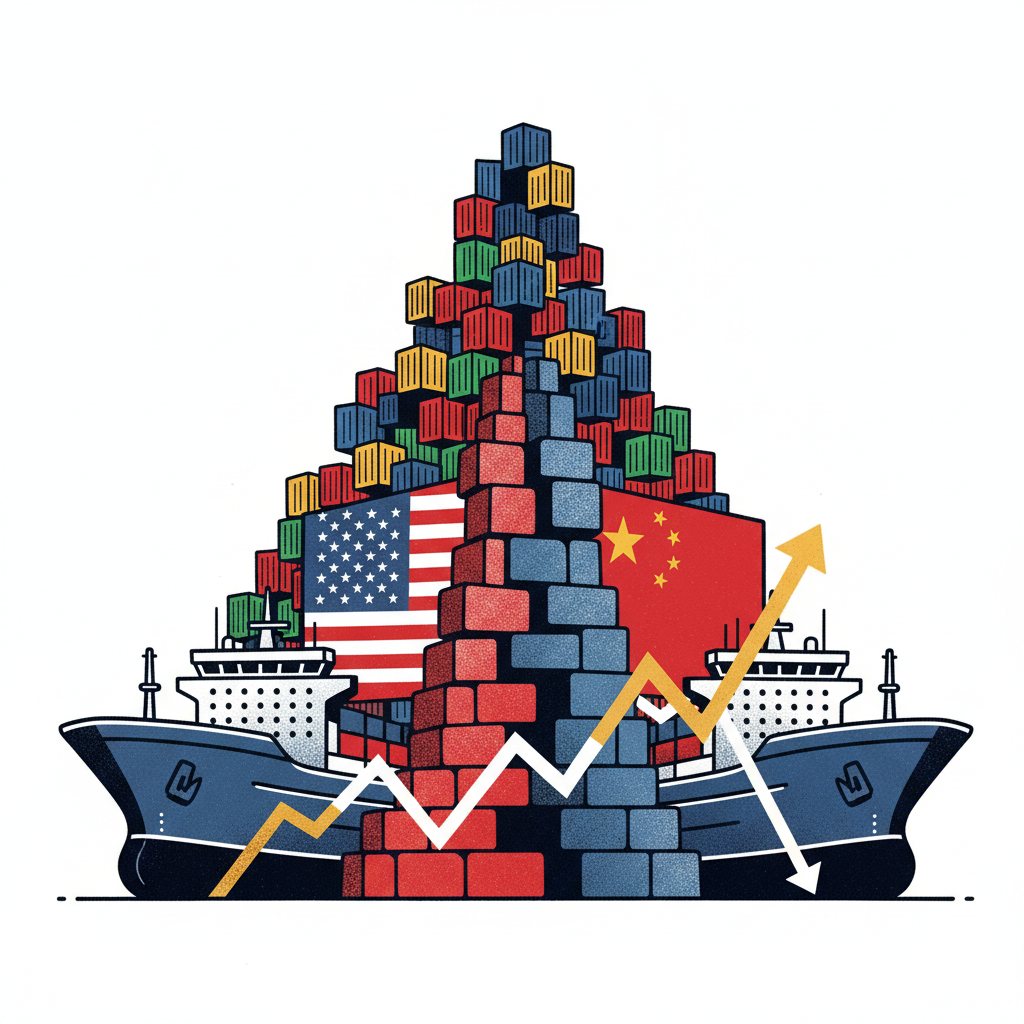
The geopolitical environment influencing US-China trade relations is complex, marked by both strategic rivalry and economic interdependence. GeoGazet tracking indicates "Tariffs & Trade" as the top connection by signal volume with 78 tracked signals, demonstrating persistent global attention to this domain. "China" and "United States" register 43 and 14 tracked signals respectively, indicating ongoing, albeit perhaps imbalanced, focus on their bilateral interactions within the GeoGazet graph, which encompasses a total of 100 tracked events. The initial "trade war" launched in 2018 under the Trump administration, characterized by widespread tariffs on billions of dollars worth of goods, established a precedent for using trade measures as geopolitical tools. This historical context informs the current situation, where tariffs remain in place, but new dimensions of competition have emerged.
Persistent Frictions and Future Flashpoints
A recent GeoGazet signal, "Opinion | How drones, tariffs and rare earths could test US-China detente," highlights key areas poised to escalate trade tensions in 2026 and beyond. This analysis suggests that while a full "trade war" might not be the primary framing, strategic decoupling in critical sectors is accelerating. Drones represent an emerging dual-use technology with significant military and economic implications, while rare earths are indispensable for advanced manufacturing and renewable energy, making control over their supply chains a strategic imperative. The signal underscores how existing tariffs, initially designed to address trade imbalances, now serve as leverage in broader technological and national security disputes.
Furthermore, the lingering impact of past policies continues to shape the economic landscape. A GeoGazet signal titled "US firms pay price for Trump’s China tariffs, export controls, study finds" illustrates the economic costs borne by American companies. These findings indicate that while tariffs aimed to protect domestic industries, they also resulted in increased operational expenses and supply chain disruptions for many US businesses, complicating any swift reversal of policy. This ongoing impact creates domestic political pressure points for both continuation and modification of existing trade barriers.
Strategic Outlook and What to Watch Next
The "Member Survey 2026" GeoGazet signal suggests that strategic assessments and policy considerations are actively underway, indicating that the US approach to China's economic rise is not static. Rather than a blanket trade war, 2026 is characterized by targeted restrictions on specific high-tech exports, investment screening, and efforts to diversify supply chains away from China. This approach aims to limit China's advancements in critical technologies while attempting to avoid a complete economic rupture.
Looking ahead, observers should monitor several indicators. These include the enforcement of existing tariffs and potential new ones in sectors like artificial intelligence and biotechnology, as well as the evolution of export controls. The resilience of global supply chains and the success of diversification efforts by the United States and its allies will be critical. Furthermore, any shifts in rare earth mineral trade policies and restrictions on drone technology will provide insight into the strategic trajectory of US-China economic competition.