地理公报
🌐 中文ZH ▾
主页人物雷杰普·塔伊普·埃尔多安Recep Tayyip Erdogan vs Benjamin Netanyahu
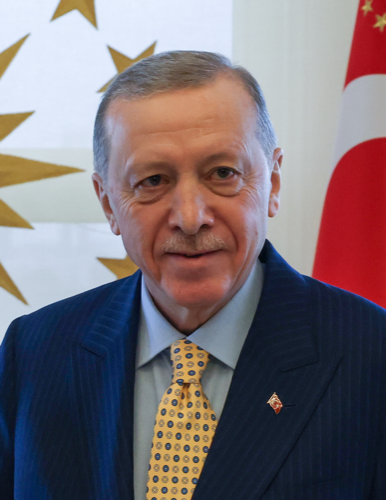
雷杰普·塔伊普·埃尔多安雷杰普·塔伊普·埃尔多安

Recep Tayyip Erdogan vs Benjamin Netanyahu

GeoGazet 情报· 更新于 2026年9月9日· 2 分钟阅读· 10 次浏览
雷杰普·塔伊普·埃尔多安

Recep Tayyip Erdogan, President of Turkey, and Benjamin Netanyahu, Prime Minister of Israel, both wield significant national power but face distinct geopolitical pressures shaping their influence and future trajectories.

阅读完整报告显示更少

Consolidated Power and Domestic Challenges

President Erdogan, serving since 2014 and re elected in 2023 for a term ending in 2028, maintains a formidable domestic base despite persistent economic headwinds and a push for a more centralized governance model. Prime Minister Netanyahu, in office since December 2022, navigates a highly fractured coalition government and significant internal dissent, though he has consistently demonstrated resilience in Israel's tumultuous political environment. Both leaders exert substantial, albeit differing, levels of control over their respective political landscapes, with GeoGazet tracking showing a total of 100 tracked events reflecting their extensive activity and political maneuvers.

Divergent Foreign Policy Alignments

Their international trajectories diverge significantly in 2026. President Erdogan actively explores options to broaden Turkey's geopolitical alignment beyond its traditional Western ties, evidenced by recent statements that Turkey would consider full membership of the China and Russia led security bloc, and that Turkey could deepen ties with the China Russia led SCO. In stark contrast, Prime Minister Netanyahu primarily reinforces Israel's strategic partnerships with Western nations, particularly the United States, while also pursuing regional normalization agreements. GeoGazet analysis highlights the complex diplomatic challenge for Israel, noting an "Attacking Erdogan or clinging to the status quo? Israel's Turkey paradox" in its approach to Ankara.

Regional Influence and Future Prospects

While a GeoGazet tracking metric indicates a 'Current influence score' of 0/100, the qualitative influence of both leaders on regional dynamics and global discussions is substantial. President Erdogan’s proactive foreign policy aims to enhance Turkey’s strategic autonomy and project power across the Black Sea, Middle East, Africa, and the Eastern Mediterranean, often challenging established norms. Prime Minister Netanyahu's immediate focus remains on national security, managing the Israeli Palestinian conflict, and countering Iranian influence, positioning Israel as a key player in the evolving Middle Eastern security architecture. Both leaders' actions directly impact regional stability and global power balances.

Political Tenures and Successional Dynamics

The future political landscapes for both leaders present varying degrees of certainty and potential for change. President Erdogan's current term ends in 2028, and under present rules, he cannot run again unless the Turkish parliament calls an early election, introducing a fixed timeline for potential succession or constitutional changes. Prime Minister Netanyahu faces a next election due by late 2026, with the current Knesset term running until then unless earlier elections are called, making his immediate tenure more susceptible to shifts in coalition dynamics, judicial rulings, or public opinion. The political stability of their respective nations hinges significantly on these upcoming electoral or constitutional junctures.

实时关注埃尔多安。所有更新都会发布到我们的电报。
在电报上加入
读者评论
评分 (可选)
暂无评论。抢先分享您的观点。
向GeoGazet提问关闭