地理公报
🌐 中文ZH ▾
主页人物雷杰普·塔伊普·埃尔多安雷杰普·塔伊普·埃尔多安将掌权多久
雷杰普·塔伊普·埃尔多安雷杰普·塔伊普·埃尔多安

雷杰普·塔伊普·埃尔多安将掌权多久

GeoGazet 情报· 更新于 2026年9月9日· 2 分钟阅读· 19 次观看
雷杰普·塔伊普·埃尔多安

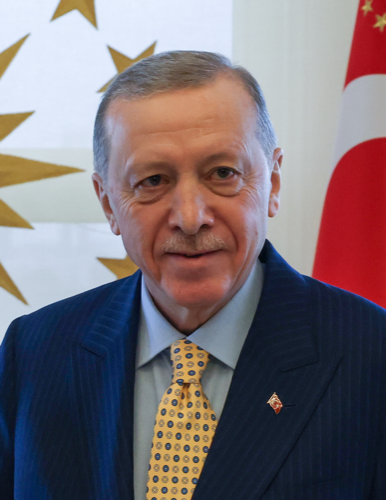
雷杰普·塔伊普·埃尔多安预计将继续担任土耳其总统,直到他目前的任期于2028年结束。
根据现行宪法规定,他不能在2028年之后寻求连任另一个任期,除非议会提前举行选举。

职务
土耳其总统
自上任以来
2014
任期结束
2028
已追踪的信号
100

于2023年再次当选,任期至2028年。根据现行规定,除非议会提前举行选举,他不能再次竞选总统。

阅读完整报告显示更少

当前任期与宪法限制

President Recep Tayyip Erdogan, re elected in 2023, is serving a term scheduled to conclude in 2028. Under Turkish constitutional law, a president is generally limited to two terms. This means Erdogan cannot run for re election in 2028 under the current legal framework. The only way he could legally seek another term is if the Grand National Assembly of Turkey called for an early presidential election, which would constitutionally reset the term count. This specific provision provides a narrow, parliament driven pathway for a third presidential term should political circumstances align.

地缘政治战略与国内地位

Erdogan continues to actively shape Turkey's foreign policy and global positioning, even as his current term progresses towards its end. Recent signals indicate Turkey's consideration for full membership in the China and Russia led Shanghai Cooperation Organization (SCO), with Erdogan himself stating Turkey could deepen ties with the SCO. These bold foreign policy maneuvers underscore his government's pursuit of a multi polar global strategy. However, GeoGazet tracking indicates his current influence score is 0/100. This exceptionally low score suggests a profound erosion of domestic political sway, or a highly constrained internal power base, contrasting sharply with his proactive international agenda. The disparity between assertive foreign policy and reported domestic influence could shape the final years of his current term.

2028年后的展望

While the constitutional limits clearly define the end of Erdogan's presidency in 2028, the unique constitutional provision allowing for a third term if parliament calls an early election introduces a critical variable. This scenario would require substantial parliamentary maneuvering and political alignment. Even if Erdogan adheres to the 2028 term limit, his long standing leadership and the deep institutional ties he has fostered within the ruling Justice and Development Party (AKP) position him to potentially maintain considerable political influence behind the scenes. The lasting impact of his assertive diplomacy is evident in Turkey's complex foreign relations, as highlighted by analysis on Israel's "Turkey paradox," which describes a dilemma between "attacking Erdogan or clinging to the status quo." The future trajectory of Turkish politics post 2028 will hinge on the interplay of constitutional interpretations, domestic political dynamics, and Erdogan's enduring legacy on both national and international fronts.

实时关注埃尔多安。所有更新都会发布到我们的电报。
在电报上加入
读者评论
评分 (可选)
暂无评论。抢先分享您的观点。
向GeoGazet提问关闭