¿Cuánto tiempo estará Recep Tayyip Erdogan en el poder?Finales del mandato: 2028
Inteligencia GeoGazet· Actualizado dos de octubre de 2026· 1 min de lectura· 3,3k visualizaciones
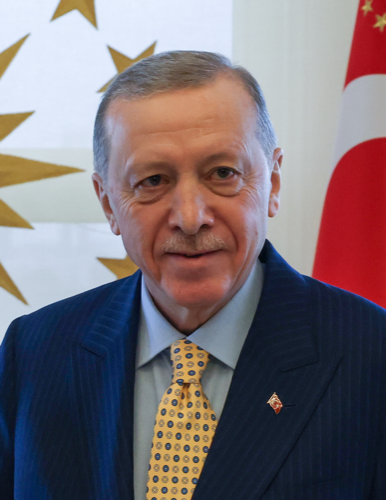
No hay fecha de partida establecida, pero la sucesión se está discutiendo en la prensa.
El mandato termina: 2028.
Erdogan tiene 72 años.
El pasado 24 de octubre de 2026.
Track Reep Tayyip Erdogan
Obtenga un correo electrónico cuando los números de Recep Tayyip Erdogan o cambio de estado. Libre, descríbete en cualquier momento.
Jubilación y sucesión
Sin fecha establecida · sucesión discutida
Sucesión discutida, sin fecha establecida
No hay fecha de partida establecida, pero la sucesión se está discutiendo en la prensa.
Cargo
Presidente de Turquía · desde 2014
Fin del mandato
2028
Edad
72
Reelegido en 2023 para un mandato que finaliza en 2028. Según las reglas actuales, no puede postularse nuevamente a menos que el parlamento convoque elecciones anticipadas.
Una salida sólo se dice cuando dos o más fuentes independientes lo confirman; preguntas, llamadas a dimitir, y viejos rumores son excluidos. El pasado 24 de octubre de 2026.
Leer el informe completoMostrar menos
Cómo se rastrea esto
GeoGazet escanea múltiples medios de comunicación para informes de viajes y reuniones, mantiene cada uno con su fuente y fecha, y marca si un viaje es próximo o ya sucedió. Un viaje solo se llama confirmado cuando dos o más fuentes independientes lo reportan.
Fuentes
Cada reporte en esta página enlaza a su fuente para que la fecha y el destino puedan verificarse. Esta página registra cuándo fue verificada por última vez.
Sigue a Erdogán en vivo.Cada actualización se publica en nuestro Telegrama.
Únete a TelegramaOpiniones de los lectores
Aún no hay opiniones. Sé el primero en compartir tu punto de vista.