Recep Tayyip Erdogan vs Benjamin Netanyahu
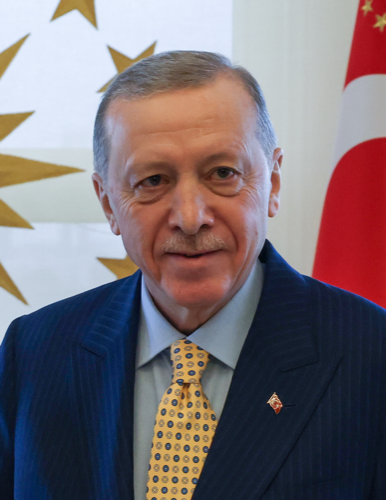
Erdogan commands significantly greater regional influence than Netanyahu in 2026, leveraging Turkey's NATO position and pivotal geography while Netanyahu faces domestic political constraints ahead of imminent elections.
Read the full reportShow less
Current Political Status and Term Limits
Erdogan serves as Turkey's President through 2028 after re-election in 2023. Netanyahu holds the Prime Minister role since December 2022 with elections due by late 2026, placing him in an immediate electoral cycle. The structural difference matters: Erdogan operates within a defined term with no immediate reelection pressure, while Netanyahu faces the near term necessity of either winning a new mandate or ceding power.
Regional Positioning and Influence
Erdogan controls Turkey's position as a NATO member state bridging Europe and Asia, a geography that compounds his negotiating leverage. Recent signals show the U.S. signaling a smaller Middle East footprint while Turkey is ready to step in, according to GeoGazet tracking. Netanyahu leads a nation whose security and diplomatic standing depend heavily on American support, constraining his independent maneuvering. Erdogan's demonstrated ability to play East and West, winning room to maneuver, reflects a bilateral diplomatic flexibility that Netanyahu cannot replicate given Israel's narrower coalition of allies and the current American strategic retrenchment.
Domestic Political Capital
Netanyahu confronts substantive internal challenges heading into the 2026 election window. Coalition management, judicial reform controversies, and regional military operations have created domestic friction that will shape his campaign messaging and negotiating bandwidth. Erdogan, by contrast, operates without immediate electoral pressure and faces a domesticated opposition after consolidating executive power over the preceding decade. This temporal advantage gives Erdogan greater freedom to make strategic commitments without the distraction of campaign cycles.
Forward Trajectory and Contingencies
Turkish influence appears set to expand as American retrenchment from the Middle East creates power vacuums. Carney plans to visit Turkey this month according to recent reporting, signaling sustained bilateral engagement. Netanyahu's trajectory depends entirely on electoral outcome in late 2026, after which either continuity or transition will reshape Israeli foreign policy. The current 100 tracked events in the GeoGazet graph reflect sustained Turkish diplomatic activity, whereas Israeli strategy currently remains tethered to immediate domestic political survival rather than long term positioning. Unless Netanyahu secures a decisive electoral victory and sustains coalition stability, Turkey will continue widening its regional advantage through the remainder of the decade.