ความขัดแย้งในกาซ่า อธิบายอย่างง่าย
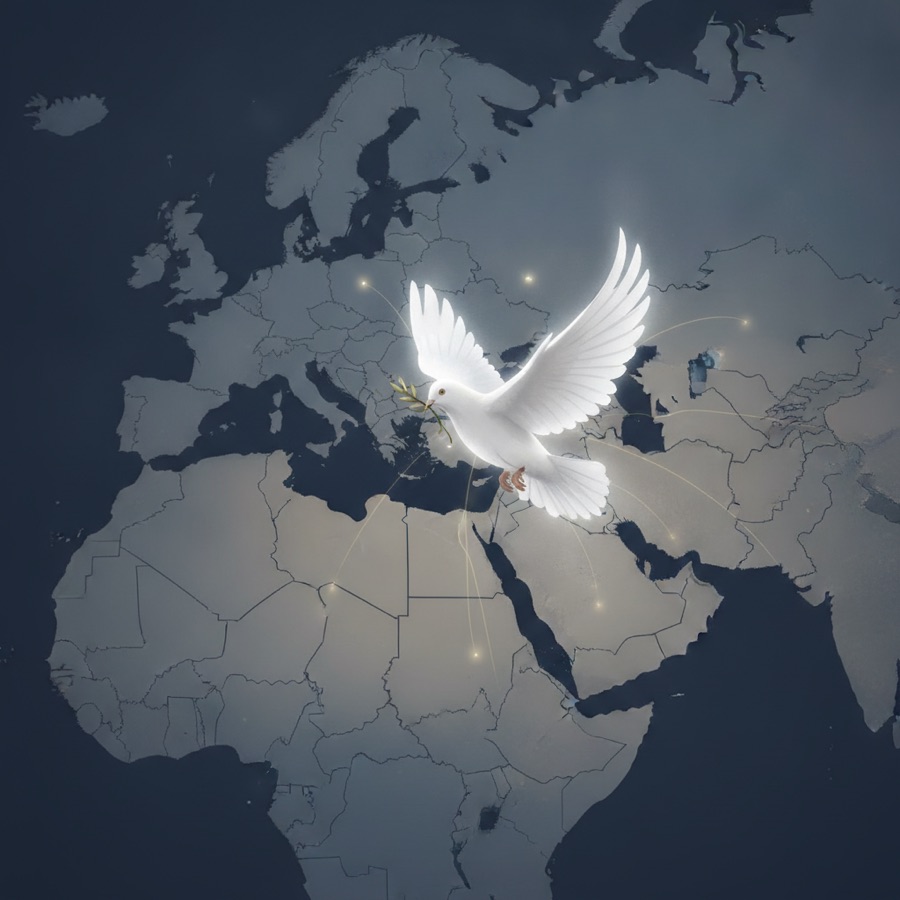
ความขัดแย้งในกาซาเป็นข้อโต้แย้งที่ยาวนานหลายทศวรรษเกี่ยวกับที่ดิน ทรัพยากร และการปกครองตนเองระหว่างชาวอิสราเอลและชาวปาเลสไตน์ โดยมีรากฐานมาจากการเรียกร้องสิทธิที่แข่งขันกันในอดีตตั้งแต่ปลายศตวรรษที่ 19
เฟสปัจจุบันเกี่ยวข้องกับการปฏิบัติการทางทหาร วิกฤตมนุษยธรรม และสภาวะการปิดล้อมที่ส่งผลกระทบต่อชาวปาเลสไตน์ 2.3 ล้านคนในแถบกาซ่า
อ่านรายงานฉบับเต็มแสดงน้อยลง
ต้นกำเนิดทางประวัติศาสตร์และการเรียกร้องดินแดน
ความขัดแย้งเริ่มต้นขึ้นเมื่อการอพยพของชาวยิวไปยังปาเลสไตน์เพิ่มมากขึ้นในช่วงปลายศตวรรษที่ 19 และต้นศตวรรษที่ 20 ซึ่งสร้างความตึงเครียดกับประชากรปาเลสไตน์ที่เป็นชาวอาหรับซึ่งอาศัยอยู่ที่นั่นแล้ว หลังสงครามโลกครั้งที่ 2 และการสังหารหมู่ชาวยิว สหประชาชาติได้ลงคะแนนในปี ค.ศ. 1947 เพื่อแบ่งปาเลสไตน์ออกเป็นรัฐยิวและรัฐอาหรับแยกต่างหาก อิสราเอลประกาศความเป็นอิสระในปี ค.ศ. 1948 แต่ชาวปาเลสไตน์และรัฐอาหรับใกล้เคียงปฏิเสธแผนแบ่งแยกดังกล่าว ผลที่ตามมาคือสงครามทันทีทันใด ตามมาด้วยความขัดแย้งหลายครั้งในปี ค.ศ. 1956 1967 และ 1973 ในปี ค.ศ. 1967 อิสราเอลยึดครองดินแดนฉนวนกาซาและตะวันตกของแม่น้ำจอร์แดน สถาปนาการตั้งถิ่นฐานและการควบคุมทางทหารที่ชาวปาเลสไตน์มองว่าเป็นการยึดครองและชาวอิสราเอลมองว่าเป็นมาตรการรักษาความปลอดภัยที่จำเป็น
การเพิ่มสูงขึ้นเมื่อเร็วๆ นี้และผลกระทบต่อมนุษยธรรม
A major escalation occurred in October 2023 when Hamas launched attacks that killed over 1,200 Israelis, prompting a massive Israeli military response in Gaza. The resulting military operations created severe humanitarian conditions affecting the civilian population. According to recent NGO reports tracked by international monitoring systems, Israel is restricting treatment for 1,100 child amputees in Gaza, reflecting the scale of civilian casualties and the constraints on medical care. The blockade of Gaza limits access to fuel, electricity, food, and medicines, creating a public health emergency that complicates both civilian life and peace negotiations.
บุคคลหลักและสถานะปัจจุบัน
The main actors are the Israeli government and military, the Palestinian Authority which governs parts of the West Bank, and Hamas which controls Gaza. Additionally, mass arrests across the occupied West Bank have intensified tensions beyond Gaza itself. International involvement includes the United States, Egypt, Qatar, and various human rights organizations pushing for ceasefires and negotiations. As of 2026, the conflict remains active with 91 documented tracked events in conflict monitoring databases, with Gaza and Israel dominating signal volume at 75 and 48 tracked signals respectively. Peace and ceasefire discussions represent 45 tracked signals, indicating ongoing diplomatic efforts alongside the military situation.
เส้นทางไปข้างหน้า
Resolution requires addressing fundamental issues: Palestinian statehood and self determination, Israeli security concerns, refugee rights for Palestinians displaced since 1948, and the status of Jerusalem. Both sides have competing historical narratives and legitimate grievances spanning generations. International pressure for humanitarian access and negotiated settlement continues, though fundamental disagreements over territory and refugees remain obstacles. The scale of recent civilian casualties and destruction has intensified global attention on finding a sustainable political solution rather than military escalation.