סכסוך עזה הסביר בפשטות
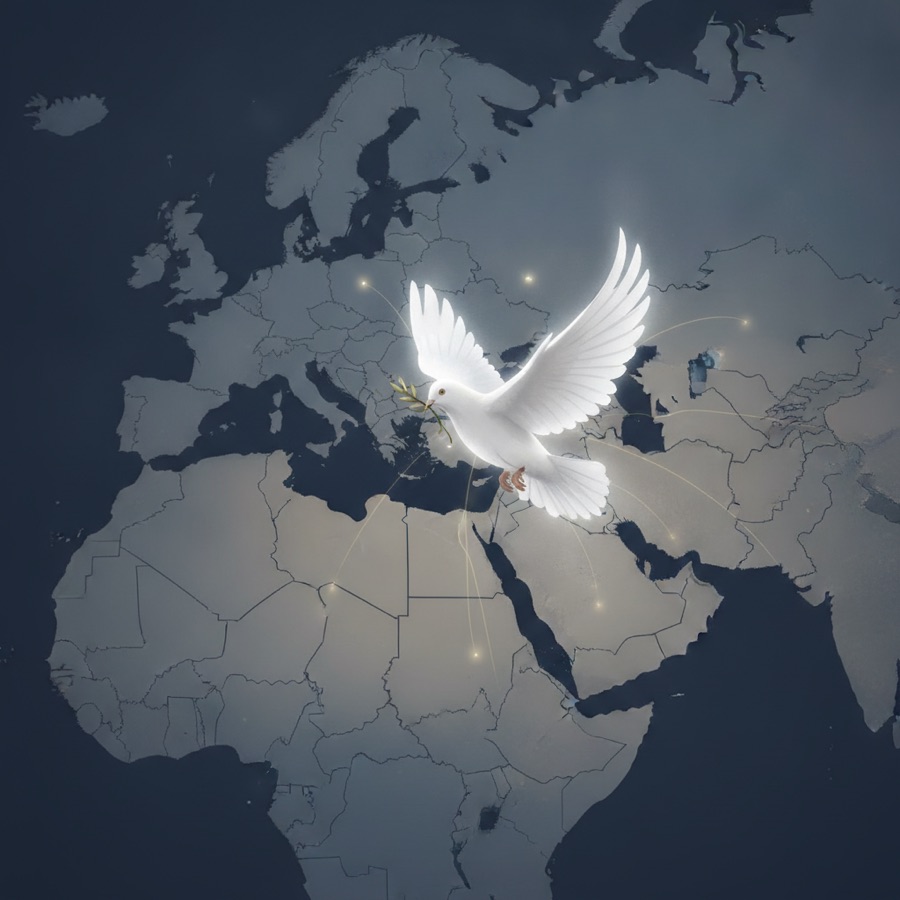
סכסוך עזה הוא מחלוקת שנמשכת עשרות שנים על קרקע, משאבים וקביעות עצמית בין ישראלים לפלסטינים, עם שורשים בתביעות מתחרות לאותה טריטוריה מסוף שנות ה-1800.
השלב הנוכחי כולל פעולות צבאיות, משבר הומניטרי ותנאי חסימה המשפיעים על 2.3 מיליון פלסטינים בחוקי עזה.
קרא את הדו"ח המלאהצג פחות
מקורות היסטוריים וטענות טריטוריאליות
הסכסוך החל כאשר ההגירה היהודית לארץ ישראל גברה בסוף המאה ה-19 ותחילת המאה ה-20, ויצרה מתח עם האוכלוסייה הערבית הפלסטינית שכבר גרה שם. לאחר מלחמת העולם השנייה ופרעות השואה, האומות המאוחדות הצביעו ב-1947 לחלוקת ארץ ישראל למדינות יהודית וערבית נפרדות. ישראל הכריזה על עצמאות ב-1948, אך הפלסטינים ומדינות ערביות שכנות דחו את תוכנית החלוקה. התוצאה הייתה מלחמה מיידית, ואחריה סכסוכים מרובים ב-1956, ב-1967 וב-1973. ב-1967, ישראל כבשה את רצועת עזה ואת שטחי גדה המערבית, הקימה התנחלויות וביססה שליטה צבאית שאותה הפלסטינים רואים ככיבוש וישראלים רואים כצעדי ביטחון הכרחיים.
הסלמה אחרונה והשפעה הומניטרית
A major escalation occurred in October 2023 when Hamas launched attacks that killed over 1,200 Israelis, prompting a massive Israeli military response in Gaza. The resulting military operations created severe humanitarian conditions affecting the civilian population. According to recent NGO reports tracked by international monitoring systems, Israel is restricting treatment for 1,100 child amputees in Gaza, reflecting the scale of civilian casualties and the constraints on medical care. The blockade of Gaza limits access to fuel, electricity, food, and medicines, creating a public health emergency that complicates both civilian life and peace negotiations.
צדדים חיוניים וסטטוס נוכחי
The main actors are the Israeli government and military, the Palestinian Authority which governs parts of the West Bank, and Hamas which controls Gaza. Additionally, mass arrests across the occupied West Bank have intensified tensions beyond Gaza itself. International involvement includes the United States, Egypt, Qatar, and various human rights organizations pushing for ceasefires and negotiations. As of 2026, the conflict remains active with 91 documented tracked events in conflict monitoring databases, with Gaza and Israel dominating signal volume at 75 and 48 tracked signals respectively. Peace and ceasefire discussions represent 45 tracked signals, indicating ongoing diplomatic efforts alongside the military situation.
הדרך קדימה
Resolution requires addressing fundamental issues: Palestinian statehood and self determination, Israeli security concerns, refugee rights for Palestinians displaced since 1948, and the status of Jerusalem. Both sides have competing historical narratives and legitimate grievances spanning generations. International pressure for humanitarian access and negotiated settlement continues, though fundamental disagreements over territory and refugees remain obstacles. The scale of recent civilian casualties and destruction has intensified global attention on finding a sustainable political solution rather than military escalation.