Gaza Conflict Explained Simply
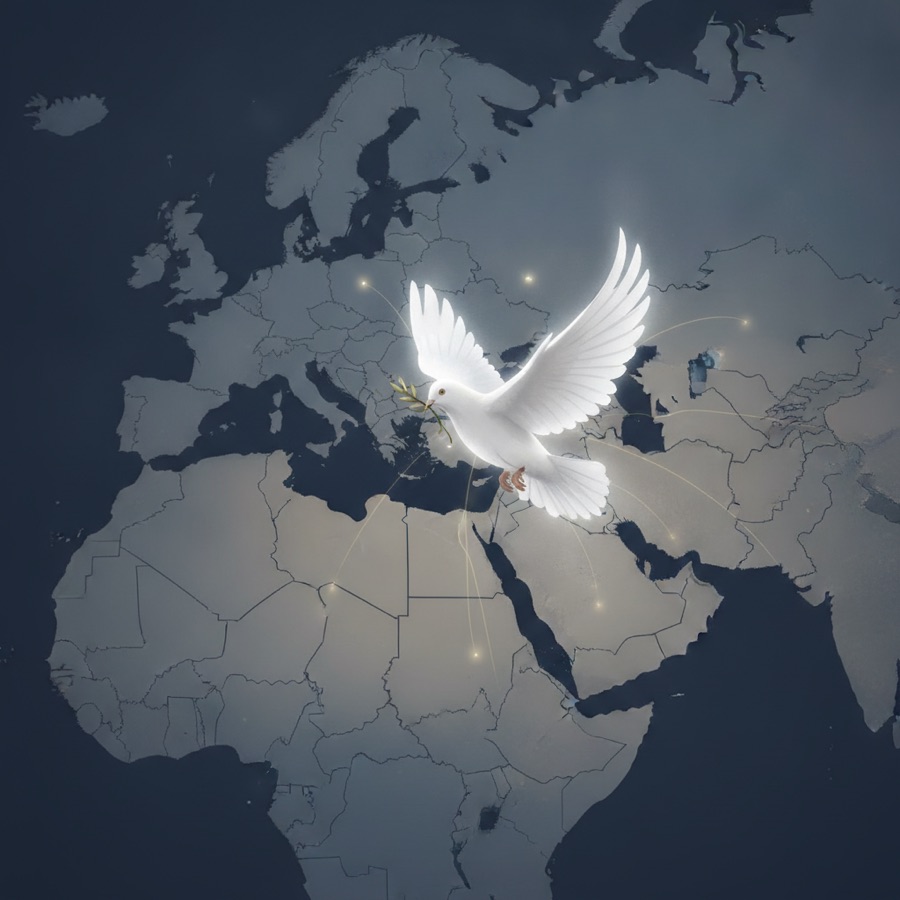
The Gaza conflict is a decades long dispute over land, resources, and self determination between Israelis and Palestinians, with roots in competing claims to the same territory since the late 1800s.
The current phase involves military operations, humanitarian crisis, and blockade conditions affecting 2.3 million Palestinians in the Gaza Strip.
完全なレポートを読む表示を減らす
Historical Origins and Territory Claims
The conflict began when Jewish immigration to Palestine increased in the late 19th and early 20th centuries, creating tension with the Arab Palestinian population already living there. After World War II and the Holocaust, the United Nations voted in 1947 to partition Palestine into separate Jewish and Arab states. Israel declared independence in 1948, but Palestinians and neighboring Arab states rejected the partition plan. The result was immediate war, followed by multiple conflicts in 1956, 1967, and 1973. In 1967, Israel occupied the Gaza Strip and West Bank territories, establishing settlements and military control that Palestinians view as occupation and Israelis view as necessary security measures.
Recent Escalation and Humanitarian Impact
A major escalation occurred in October 2023 when Hamas launched attacks that killed over 1,200 Israelis, prompting a massive Israeli military response in Gaza. The resulting military operations created severe humanitarian conditions affecting the civilian population. According to recent NGO reports tracked by international monitoring systems, Israel is restricting treatment for 1,100 child amputees in Gaza, reflecting the scale of civilian casualties and the constraints on medical care. The blockade of Gaza limits access to fuel, electricity, food, and medicines, creating a public health emergency that complicates both civilian life and peace negotiations.
Key Parties and Current Status
The main actors are the Israeli government and military, the Palestinian Authority which governs parts of the West Bank, and Hamas which controls Gaza. Additionally, mass arrests across the occupied West Bank have intensified tensions beyond Gaza itself. International involvement includes the United States, Egypt, Qatar, and various human rights organizations pushing for ceasefires and negotiations. As of 2026, the conflict remains active with 91 documented tracked events in conflict monitoring databases, with Gaza and Israel dominating signal volume at 75 and 48 tracked signals respectively. Peace and ceasefire discussions represent 45 tracked signals, indicating ongoing diplomatic efforts alongside the military situation.
前進への道
Resolution requires addressing fundamental issues: Palestinian statehood and self determination, Israeli security concerns, refugee rights for Palestinians displaced since 1948, and the status of Jerusalem. Both sides have competing historical narratives and legitimate grievances spanning generations. International pressure for humanitarian access and negotiated settlement continues, though fundamental disagreements over territory and refugees remain obstacles. The scale of recent civilian casualties and destruction has intensified global attention on finding a sustainable political solution rather than military escalation.