比尔·盖茨如何影响世界
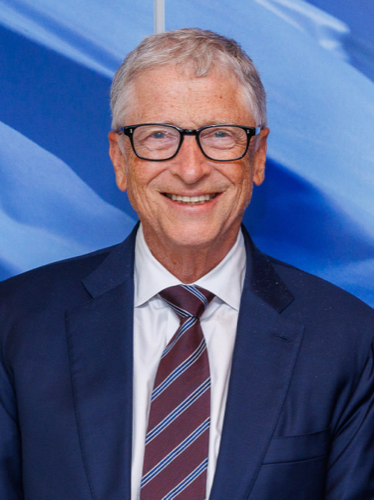
Bill Gates shaped global development through Microsoft's dominance in computing, then pivoted to philanthropy addressing poverty, disease, and now artificial intelligence inequality.
His current influence centers on warning governments that they are falling behind on AI policy.
阅读完整报告显示更少
Microsoft's Transformation of Computing Infrastructure
Gates cofounded Microsoft in 1975 and built it into the world's dominant software company by the 1990s and 2000s. Windows became the standard operating system across governments, businesses, and institutions globally, making Gates one of the world's wealthiest individuals. This technological dominance created structural dependencies that shaped how organizations worldwide handled data, communication, and digital operations. The company's market position gave Gates outsized influence in shaping technological standards and corporate governance practices across continents.
Philanthropic Redirection Toward Global Health and Development
In 2000, Gates and his then wife Melinda established the Bill and Melinda Gates Foundation, redirecting his wealth toward global health and poverty reduction. The foundation became one of the largest philanthropic organizations worldwide, funding vaccine development, malaria eradication efforts, and agricultural initiatives in developing nations. The foundation has influenced health policy in Africa and South Asia by financing research that wealthy nations neglected and by shaping WHO priorities through major funding commitments. This philanthropic work created measurable impact on disease mortality rates and food security in low income countries, though critics argue it gave private wealth disproportionate influence over public health decisions.
Current Role in Artificial Intelligence Governance
As of 2026, Gates has shifted focus toward artificial intelligence, warning that governments worldwide are falling behind on AI policy development and implementation. Gates is spending one billion dollars specifically to prevent artificial intelligence from widening the global divide between wealthy and poor nations. Recent statements indicate Gates views AI governance as a critical development issue, arguing that without deliberate intervention, AI advancement could entrench existing inequalities. His influence score currently stands at 10 out of 100 in geopolitical tracking, reflecting reduced direct power compared to his Microsoft era but continued relevance in shaping philanthropic priorities around emerging technologies.
Long Term Legacy and Contested Impact
Gates remains a significant figure in global development despite his declining formal power structures. Critics argue his philanthropic approach reflects billionaire rather than democratic decision making about global priorities, while supporters credit his funding with saving millions of lives through disease prevention and agricultural innovation. His pivot toward AI inequality represents an attempt to apply lessons from global health to emerging technology risks, recognizing that technological advantages compound existing disparities. Whether Gates successfully influences AI governance toward equity rather than concentration of power will likely determine his ultimate historical significance in the 21st century.