Current State of US-China Trade Relations
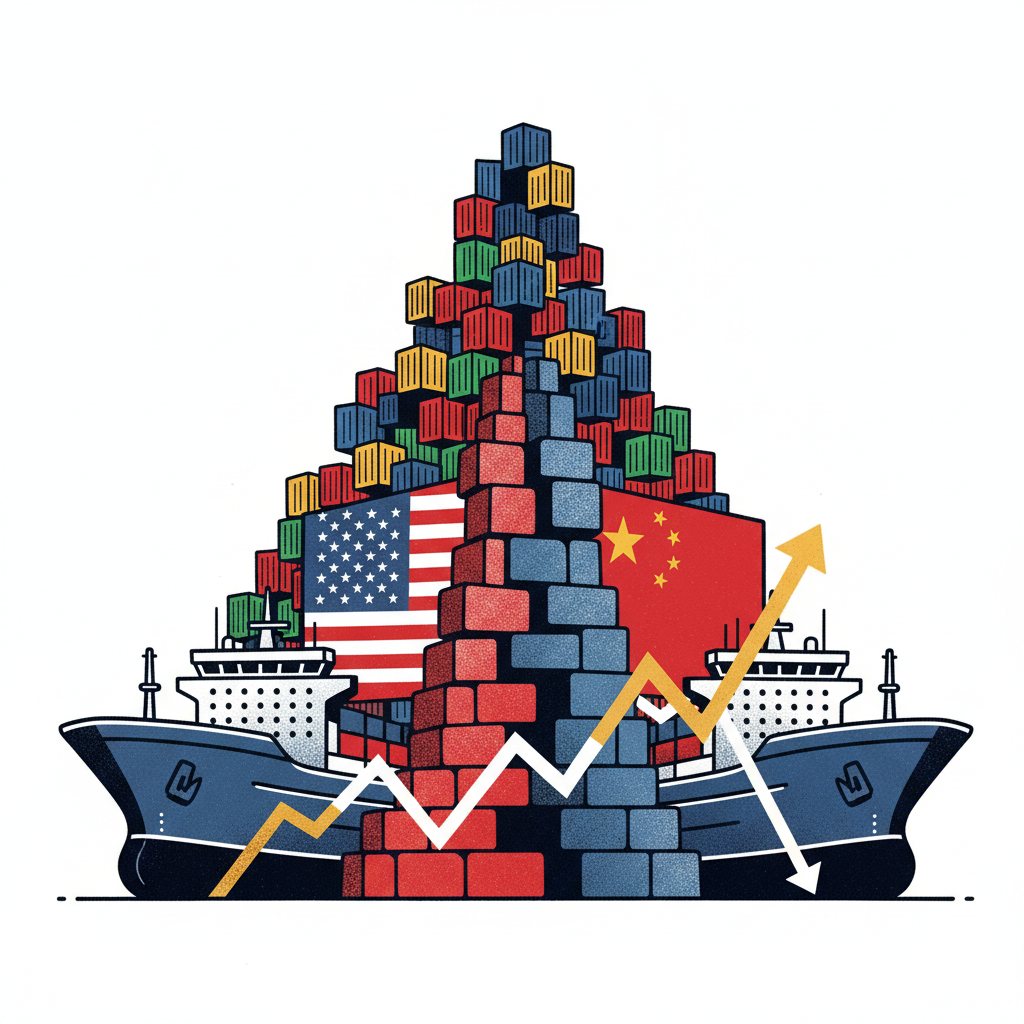
The immediate intensity of the US-China trade war has receded from its peak during the Trump administration. However, a significant portion of the tariffs implemented then remain in place, contributing to ongoing economic friction. According to GeoGazet data, "Tariffs & Trade" leads as a top connection with 80 tracked signals, indicating widespread global relevance for trade barriers, not solely confined to the US-China dynamic. "China" and "United States" follow with 37 and 13 tracked signals respectively, confirming their central roles within this broader trade discussion, even if specific US-China escalations are less frequent. The low influence score of 19/100 suggests that while the issue is certainly present, it is not currently the most volatile or rapidly developing geopolitical event.
Broader Protectionist Trends and Geopolitical Context
The US-China trade dynamic is increasingly viewed within a larger framework of global protectionism and strategic competition. Recent signals from GeoGazet highlight this broader trend. A signal titled "A new trade war may be brewing. This time, Europe is taking a page from Trump's playbook" indicates that the impulse towards protectionist measures, once largely associated with the United States in its dealings with China, is now a more widespread phenomenon. This suggests that trade friction is evolving beyond a bilateral US-China issue into a multilateral concern.
Further underscoring the potential for renewed US-China trade tensions is the GeoGazet signal, ""They Forgot to Protect Our Industries With TARIFFS!” — Does a Trump Trade War 2.0 Loom?" This headline directly addresses the possibility of a return to more aggressive tariff policies, particularly in the context of future political developments in the United States. Such rhetoric draws a clear historical parallel to the initial phase of the US-China trade war initiated in 2018. The economic consequences of such conflicts are significant and often extend beyond the primary actors, as exemplified by a signal reporting "For cash-strapped farmers, deal to end Iran fighting comes too late," illustrating how geopolitical instability and trade disruptions can have lasting, detrimental impacts on specific economic sectors. The GeoGazet graph records a total of 100 tracked events related to these interconnected dynamics, reflecting the complexity of the global economic and geopolitical environment.
What to Watch For Next
Observers should monitor several key areas. The political discourse surrounding trade in the United States, particularly ahead of upcoming elections, will be crucial, as calls for increased protectionism could signal a shift back towards direct tariff escalations. Similarly, the trade policies adopted by the European Union and other major economies regarding China will indicate whether the broader trend of protectionism continues to gain momentum. China's own economic policies and its response to global trade pressures will also be a significant factor. Continued tracking of global tariff and trade signals will be essential for assessing the evolving nature of international economic relations.