Khi Nào Bill Gates Trở Thành Tỷ Phú
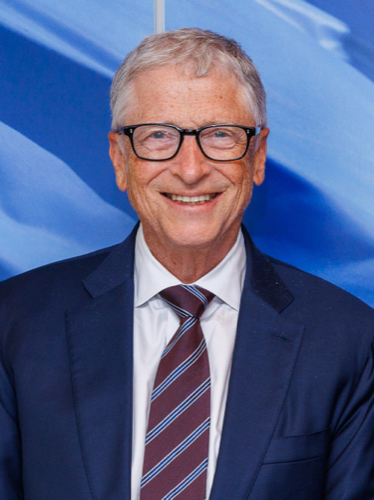
Bill Gates became a billionaire in 1987, when Microsoft's stock price surged following the company's initial public offering in March 1986.
His net worth crossed the one billion dollar threshold within approximately one year of the IPO.
Đọc báo cáo đầy đủHiển thị ít hơn
Việc IPO của Mirkơxốp và Sự Giàu Có Đột Ngột
Micrô Sôft chào bán công khai vào ngày 13 tháng 3 năm 1986, với giá 21 đô la mỗi cổ phiếu. Gê-tơ nắm giữ khoảng 45 phần trăm công ty vào thời điểm đó, khiến ông trở thành người hưởng lợi chính từ sự tăng giá ngay lập tức của cổ phiếu. Trong vòng vài tháng, giá cổ phiếu tăng gấp đôi rồi tăng gấp ba, biến Gê-tơ từ một triệu phú thành tỷ phú vào năm 1987, khi ông 31 tuổi. Điều này khiến ông trở thành tỷ phú tự thân trẻ tuổi nhất trong lịch sử Mỹ vào thời điểm đó.
Ảnh Hưởng của Gêitxơ và Vai Trò Hiện Tại
Gê-tơ vẫn là đồng sáng lập viên của Maikơ-xốp và duy trì ảnh hưởng đáng kể trong các vấn đề toàn cầu, mặc dù tiêu điểm chính của ông đã chuyển sang hoạt động từ thiện cách đây nhiều thập kỷ thông qua Quỹ Bíc và Mê-lin-đa Gê-tơ. Điểm ảnh hưởng hiện tại của ông đứng ở mức 10 trên 100 theo dữ liệu theo dõi gần đây, phản ánh vai trò hoạt động giảm của ông trong các ngành công nghệ so với tình trạng tỷ phú hoạt động của ông. Ông tiếp tục đóng góp ý kiến về các thách thức toàn cầu lớn, đặc biệt là trí tuệ nhân tạo và các vấn đề về công bằng toàn cầu.
Tập Trung Gần Đây vào Trí Tuệ Nhân Tạo
Gates has become a prominent voice warning governments about the risks and opportunities of artificial intelligence. Recent signals indicate that Gates has stated "Governments worldwide are way behind on AI," highlighting his concerns about the global policy gap in this critical technology area. He has also issued dire warnings about AI's potential to widen inequality between nations and populations, demonstrating his sustained focus on how technological advancement affects global development.
Những Cam Kết Từ Thiện Hiện Tại của Gêitxơ
Beyond his billionaire status and Microsoft legacy, Gates has committed substantial capital to addressing inequality exacerbated by emerging technologies. His foundation is spending one billion dollars specifically to ensure artificial intelligence does not widen the global divide between developed and developing nations. This investment reflects a fundamental shift in how Gates uses his wealth, moving from technology entrepreneurship to strategic global development work. The foundation tracked 100 separate events related to Gates's initiatives and influence across geopolitical networks, underscoring his sustained engagement with international development and policy questions.