Wann wurde Bilk Gejts zum Milliardär
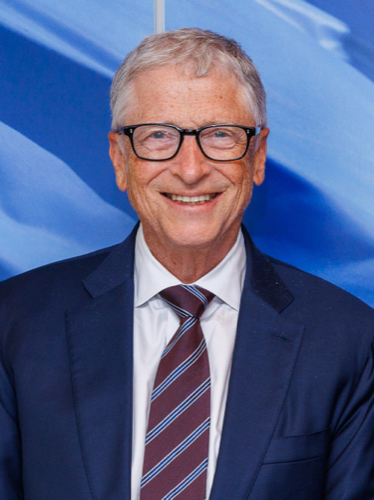
Bill Gates became a billionaire in 1987, when Microsoft's stock price surged following the company's initial public offering in March 1986.
His net worth crossed the one billion dollar threshold within approximately one year of the IPO.
Vollständigen Bericht lesenWeniger anzeigen
Der Börsengang von Mikrosofт und plötzlicher Wohlstand
Microsofts ging am 13. März 1986 an die Börse, mit 21 Dollar pro Aktie. Gates hielt damals ungefähr 45 Prozent des Unternehmens, was ihn zum Hauptbegünstigten der unmittelbaren Kurssteigerung machte. Innerhalb weniger Monate verdoppelte sich der Aktienkurs und verdreifachte sich dann, was Gates von einem Millionär zu einem Milliardär bis 1987 im Alter von 31 Jahren transformierte. Dies machte ihn zum jüngsten selbstgemachten Milliardär in der amerikanischen Geschichte zu jenem Zeitpunkt.
Gatess Einfluss und aktuelle Rolle
Gejts bleibt der Mitbegründer von Majkrosoft und behält erheblichen Einfluss in globalen Angelegenheiten, obwohl sich sein Hauptaugenmerk vor Jahrzehnten durch die Bill-und-Melinda-Gejts-Stiftung auf Philantropie verlagerte. Sein aktueller Einfluss-Score beträgt zehn von einhundert gemäß kürzlicher Nachverfolgungsdaten, was seine verminderte operative Rolle in Technologiesektoren im Vergleich zu seinem aktiven Milliardärsstatus widerspiegelt. Er spricht sich weiterhin zu großen globalen Herausforderungen ein, besonders zu künstlicher Intelligenz und Fragen der globalen Gerechtigkeit.
Jüngste Konzentration auf künstliche Intelligenz
Gates has become a prominent voice warning governments about the risks and opportunities of artificial intelligence. Recent signals indicate that Gates has stated "Governments worldwide are way behind on AI," highlighting his concerns about the global policy gap in this critical technology area. He has also issued dire warnings about AI's potential to widen inequality between nations and populations, demonstrating his sustained focus on how technological advancement affects global development.
Gatess aktuelle philanthropische Verpflichtungen
Beyond his billionaire status and Microsoft legacy, Gates has committed substantial capital to addressing inequality exacerbated by emerging technologies. His foundation is spending one billion dollars specifically to ensure artificial intelligence does not widen the global divide between developed and developing nations. This investment reflects a fundamental shift in how Gates uses his wealth, moving from technology entrepreneurship to strategic global development work. The foundation tracked 100 separate events related to Gates's initiatives and influence across geopolitical networks, underscoring his sustained engagement with international development and policy questions.