Когда заканчивается срок полномочий Реджепа Тайипа ЭрдоганаTerm ends: 2028
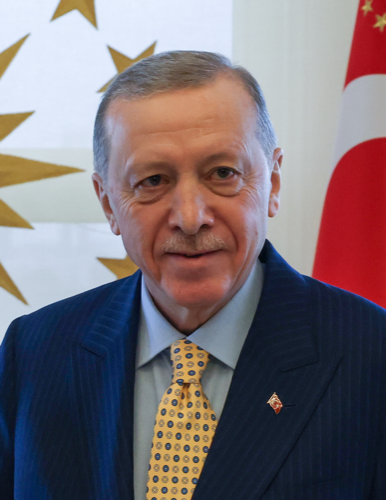
Дата отъезда не установлена, но вопрос о преемнике обсуждается в прессе.
Срок истекает: 2028.
Эрдоган ему 72.
Последнее проверено 24 октября 2026 года.
Читать полный отчётПоказать меньше
Текущий срок и конституционный предел
Эрдоган служит Президентом Турции с 2014 года. Его самая последняя победа на выборах произошла в мае 2023 года, дав ему пятилетний срок, который истекает в 2028 году. Это представляет его второй полный президентский срок в соответствии с действующей конституционной структурой, которая ограничивает его двумя последовательными сроками. Дата 2028 года зафиксирована в соответствии с действующим законодательством и представляет конституционный потолок для его непрерывного пребывания в должности.
Что может изменить временную шкалу
Парламент Турции сохраняет полномочия для назначения досрочных выборов, которые могли бы сократить оставшееся время Реджепа Тайипа Эрдогана в должности или обнулить счетчик ограничений по срокам полномочий. Это остается технической возможностью, но требует парламентской инициативы, а не односторонних президентских действий. Конституционные поправки теоретически могли бы изменить правила об ограничениях сроков полномочий, хотя такие изменения столкнулись бы с значительным политическим и международным контролем. На данный момент 2028 год остается юридически обязывающей датой окончания в отсутствие чрезвычайных парламентских действий.
Региональное положение Эрдогана перед окончанием срока
Недавние дипломатические события показывают, что Эрдоган маневрирует стратегически, так как его текущий срок вступает в свой последний два года. США сигнализируют о меньшем присутствии на Ближнем Востоке, и Турция позиционирует себя как готовая вмешаться согласно крупному политическому анализу. Карни планирует посетить Турцию в этом месяце согласно недавним сигналам отслеживания, подчеркивая постоянное высокоуровневое взаимодействие вокруг турецкого влияния и региональной роли. Эта деятельность отражает продолжающуюся центральность Эрдогана в геополитике Ближнего Востока несмотря на приближающееся ограничение срока его полномочий.
Преемственность и политическая неопределённость
Вопрос о том, кто сменит Эрдогана в 2028 году, остается нерешённым в турецкой политике. Его Партия справедливости и развития контролирует значительную институциональную власть, но оппозиционные движения сохраняют организационную способность и поддержку общественности. Конституционный запрет на очередной срок Эрдогана заставит турецкую политику пройти через подлинный переход, потенциально первое настоящее изменение лидерства более чем за десятилетие президентского правления. То, как будет развиваться этот переход, существенно повлияет на направление внешней политики Турции и роль Турции на Ближнем Востоке во второй половине 2020-х годов.