Who Could Replace Ursula von der Leyen
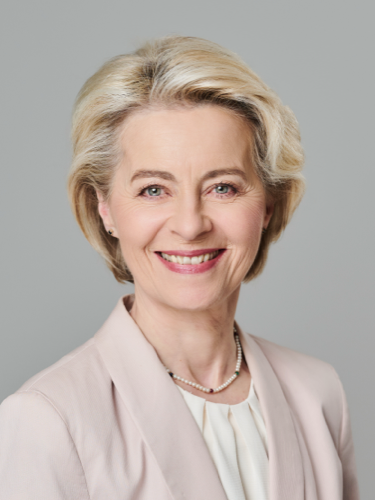
Ursula von der Leyen will remain European Commission President through 2029.
Succession planning is premature, but potential candidates are already being discussed within EU political circles.
Berkhidmat dalam penggal Suruhanjaya Eropah kedua yang berlanjut hingga 2029.
Baca laporan lengkapTunjukkan kurang
The Current Commission and Its Timeline
Von der Leyen is serving her second term as President of the European Commission, which began in 2019 and runs through 2029. This gives her three more years in the role, meaning any meaningful succession discussion remains speculative at this stage. Her current influence score sits at 57 out of 100, reflecting steady but not dominant political capital within EU institutions.
Recent policy positions underscore her continued engagement with major geopolitical issues. Claims that the US will not ban diesel fuel exports to Europe and her coordination with the Group of Seven on fuel stockpile releases demonstrate active leadership on energy security matters that directly affect EU economic stability. These moves position her as a central figure in transatlantic relations rather than a lame duck administrator.
When Succession Becomes Real
The succession question will realistically emerge in 2027 or 2028, when EU member states and Parliament begin formal discussions about the next Commission President. The process typically involves negotiations between EU governments, Parliament factions, and European Council deliberations. Von der Leyen's second term conclusion in 2029 provides the natural endpoint for these discussions to crystallize into a formal vote and appointment process.
Several factors could accelerate or reshape succession timing. Major geopolitical crises, shifts in German domestic politics (von der Leyen is German), or significant policy failures could trigger earlier debates. Conversely, strong performance and institutional continuity might encourage member states to maintain existing leadership structures during uncertain times.
Potential Successor Categories
The next Commission President will likely emerge from three pools: sitting EU Commissioners with strong member state backing, current or recent government ministers from major EU nations, or Parliament leaders with substantial cross party support. France, Germany, Spain, and Poland traditionally field strong candidates given their demographic and economic weight in the Union. The role requires diplomatic skills, executive experience, and ability to broker consensus among 27 member states with competing interests.
Ideally, candidates would have strong records on economic management, security policy, and institutional reform. Recent tracking data shows 100 total events in the geopolitical graph involving EU leadership, indicating sustained engagement with succession adjacent topics like EU associate membership structures and energy policy frameworks.
The Realistic Outlook
For the next three years, von der Leyen remains the definitive European Commission President with a full term ahead. Speculation about successors belongs in 2028 discussions, not current analysis. The real question is not who could replace her, but rather which emerging leader will command enough support across EU member states when that transition becomes formally necessary in late 2028.