उर्सुला वॉन डेर लेयन की जगह कौन ले सकता हैTerm ends: 2029
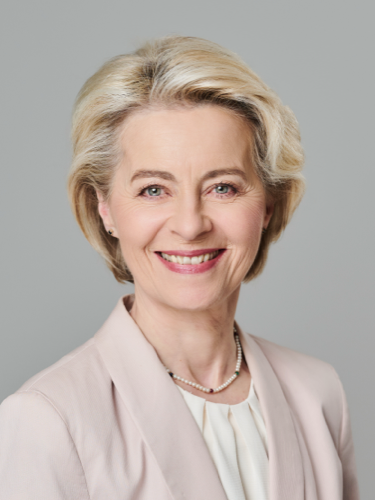
उर्सुला वॉन डेर लेयेन २०२९ तक यूरोपीय आयोग की अध्यक्ष बनी रहेंगी।
उत्तराधिकार योजना समयपूर्व है, लेकिन संभावित उम्मीदवारों पर पहले से ही यूरोपीय संघ की राजनीतिक हलकों में चर्चा की जा रही है।
यूरोपीय आयोग का दूसरा कार्यकाल, जो 2029 तक चलेगा।
पूरी रिपोर्ट पढ़ेंकम दिखाएँ
वर्तमान आयोग और इसकी समय सारणी
वॉन डेर लायेन यूरोपीय आयोग की अध्यक्ष के रूप में अपना दूसरा कार्यकाल पूरा कर रही हैं, जो २०१९ में शुरू हुआ था और २०२९ तक चलता है। इससे उन्हें इस भूमिका में तीन और साल मिलते हैं, जिसका अर्थ है कि किसी भी सार्थक उत्तराधिकार चर्चा इस स्तर पर अनुमानित रहती है। उनका वर्तमान प्रभाव स्कोर १०० में से ५७ पर बैठा है, जो यूरोपीय संघ संस्थानों के भीतर स्थिर लेकिन प्रभावशाली राजनीतिक पूंजी को दर्शाता है।
हाल की नीति स्थितियों ने प्रमुख भू-राजनीतिक मुद्दों के साथ उसकी निरंतर जुड़ाव को रेखांकित किया है। दावे कि संयुक्त राज्य यूरोप को डीजल ईंधन निर्यात पर प्रतिबंध नहीं लगाएगा और सात के समूह के साथ उसका समन्वय ईंधन स्टॉकपाइल रिलीज पर सक्रिय नेतृत्व प्रदर्शित करता है जो ऊर्जा सुरक्षा मामलों पर असर डालता है जो यूरोपीय संघ की आर्थिक स्थिरता को सीधे प्रभावित करता है। ये कदम उसे एक लंगड़े बतख प्रशासक के बजाय अंतरमहाद्वीपीय संबंधों में एक केंद्रीय व्यक्ति के रूप में स्थापित करते हैं।
जब उत्तराधिकार वास्तविक हो जाता है
उत्तराधिकार का प्रश्न वास्तविकता से 2027 या 2028 में उभरेगा, जब यूरोपीय संघ के सदस्य राज्य और संसद अगले आयोग अध्यक्ष के बारे में औपचारिक चर्चा शुरू करेंगे। इस प्रक्रिया में आमतौर पर यूरोपीय संघ की सरकारों, संसद गुटों और यूरोपीय परिषद के विचार-विमर्श के बीच बातचीत शामिल होती है। वॉन डेर लेयेन के दूसरे कार्यकाल का समापन 2029 में इन चर्चाओं को एक औपचारिक मतदान और नियुक्ति प्रक्रिया में क्रिस्टलीकृत करने के लिए प्राकृतिक समापन बिंदु प्रदान करता है।
कई कारक उत्तराधिकार के समय को तेज़ या पुनः आकार दे सकते हैं। प्रमुख भू-राजनीतिक संकट, जर्मन घरेलू राजनीति में बदलाव (वॉन डेर लेयेन जर्मन हैं), या महत्वपूर्ण नीति की विफलताएं पहले की बहस को ट्रिगर कर सकती हैं। इसके विपरीत, मजबूत प्रदर्शन और संस्थागत निरंतरता सदस्य राज्यों को अनिश्चित समय के दौरान मौजूदा नेतृत्व संरचनाओं को बनाए रखने के लिए प्रोत्साहित कर सकती है।
संभावित उत्तराधिकारी श्रेणियाँ
अगला आयोग अध्यक्ष संभवतः तीन समूहों से उभरेगा: सदस्य राज्य के मजबूत समर्थन वाले वर्तमान यूरोपीय संघ आयुक्त, प्रमुख यूरोपीय संघ राष्ट्रों के वर्तमान या हाल के सरकारी मंत्री, या पर्याप्त पार्टी समर्थन वाले संसद नेता। फ्रांस, जर्मनी, स्पेन और पोलैंड परंपरागत रूप से संघ में उनके जनसांख्यिकीय और आर्थिक वजन को देखते हुए मजबूत उम्मीदवार प्रस्तुत करते हैं। इस भूमिका के लिए राजनयिक कौशल, कार्यकारी अनुभव, और 27 सदस्य राष्ट्रों के बीच प्रतिस्पर्धी हितों के बीच सर्वसम्मति दलाल करने की क्षमता आवश्यक है।
आदर्श रूप से, उम्मीदवारों के पास आर्थिक प्रबंधन, सुरक्षा नीति और संस्थागत सुधार पर मजबूत रिकॉर्ड होने चाहिए। हाल की ट्रैकिंग डेटा भू-राजनीतिक ग्राफ में यूरोपीय संघ के नेतृत्व से जुड़ी १०० कुल घटनाएं दर्शाती हैं, जो यूरोपीय संघ सहयोगी सदस्यता संरचनाओं और ऊर्जा नीति ढांचे जैसे उत्तराधिकार से संबंधित विषयों के साथ निरंतर जुड़ाव का संकेत देती हैं।
यथार्थवादी दृष्टिकोण
For the next three years, von der Leyen remains the definitive European Commission President with a full term ahead. Speculation about successors belongs in 2028 discussions, not current analysis. The real question is not who could replace her, but rather which emerging leader will command enough support across EU member states when that transition becomes formally necessary in late 2028.