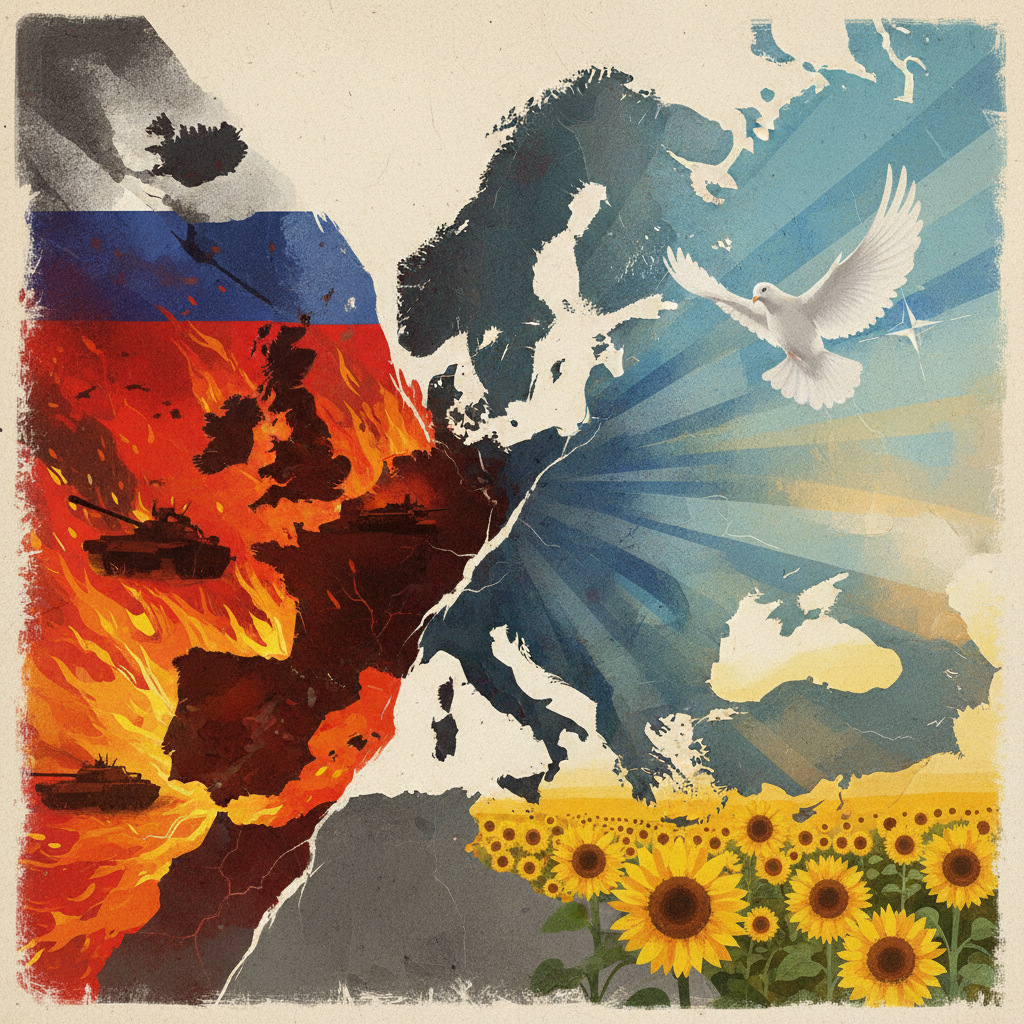
Stalemate on the Battlefield
The initial Russian invasion, predicated on a rapid collapse of Ukrainian resistance, failed to achieve its primary objectives, leading to a grinding conflict. Ukrainian forces, bolstered by advanced Western weaponry and strong nationalistic resolve, have effectively defended key territories and launched counter-offensives, preventing a quick Russian victory. Modern warfare, characterized by entrenched defenses and pervasive drone surveillance, makes decisive breakthroughs exceptionally difficult for either side. Evidence of this enduring struggle is reflected in recent events, such as Russia striking an apartment block in Ukraine's city of Kharkiv, killing 1 person, highlighting the continued targeting of civilian infrastructure and the slow, destructive pace of the conflict. The high volume of signals tracked, including 80 related to Ukraine and 78 to Russia, with 10 specifically on Missiles & Strikes, underscores the intense, ongoing military activity and the absence of a quick resolution.
Geopolitical Dynamics and External Support
The conflict’s duration is significantly influenced by the extensive international involvement, reflecting a global geopolitical realignment. Western nations have provided substantial financial, military, and humanitarian aid to Ukraine, enabling its continued resistance against Russia. This sustained support, vital for Ukraine's defense, concurrently prevents any swift resolution by empowering Ukraine to resist Russian advances and deterring Russian escalation beyond certain thresholds, effectively prolonging the conflict. The current influence score of 100/100 for the conflict indicates its paramount global significance and the deep entanglement of international actors, ensuring continued scrutiny and intervention. Conversely, Russia continues to secure resources and diplomatic backing from a smaller, but significant, bloc of nations, further entrenching the conflict and making a rapid conclusion improbable.
Strategic Impasses and Internal Challenges
Both Ukraine and Russia face strategic impasses, lacking the capacity or willingness to concede key objectives, which fundamentally prevents a quick resolution. Ukraine seeks to reclaim all occupied territories, while Russia aims to consolidate its gains and weaken Ukraine’s sovereignty, creating irreconcilable demands. President Zelenskiy's recent warning of an impending massive Russian attack on Ukraine underscores the persistent threat and the sustained effort required for defense, preventing any immediate de-escalation or peace talks. Concurrently, internal dynamics within Russia, exemplified by signals like the Moscow Refinery Blast May Have Been Caused by Friendly Fire, Video Suggests, point to potential operational challenges or internal security issues that can both prolong the conflict by hindering effective military operations or potentially leading to miscalculations that forestall a swift end. The total of 100 tracked events in the GeoGazet graph further illustrates the continuous, multifaceted nature of the conflict and its enduring complexity, demonstrating why a rapid conclusion remains elusive.
Historical Parallels and Future Outlook
Historically, conflicts characterized by strong national resistance, extensive external support, and deeply entrenched ideological divides often become protracted. Examples include the Korean War or the conflicts in Afghanistan. The current situation in Ukraine exhibits similar characteristics, suggesting a prolonged engagement rather than a swift conclusion.
What to Watch For Next:
Future developments will likely hinge on the trajectory of Western military aid, Russia's ability to sustain its offensive capacity amidst sanctions, and the potential for a breakthrough in either side's defensive lines. Escalation risks, particularly concerning missile strikes, and internal political shifts within Russia or Ukraine will also be critical indicators of the war’s future duration and direction.