Current Geopolitical Stance
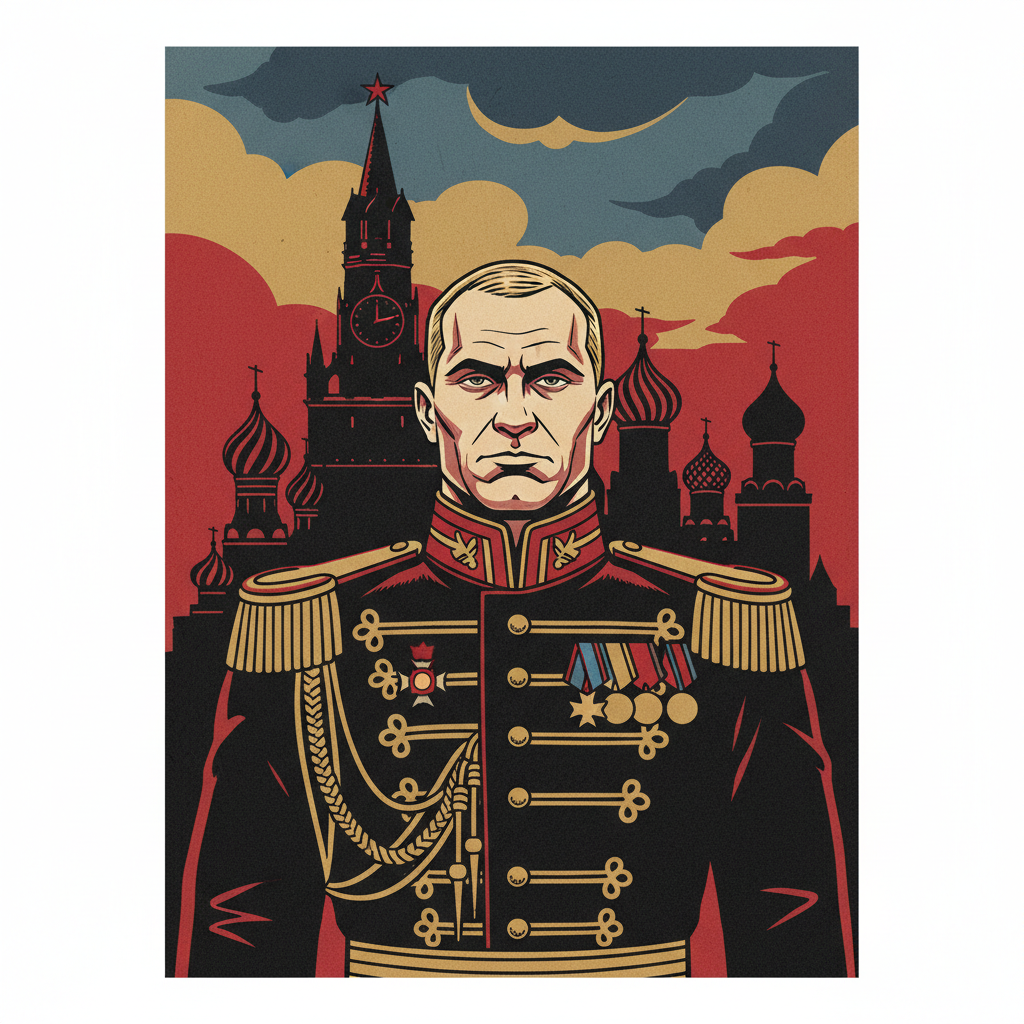
Vladimir Putin's leadership remains central to Russia's domestic and foreign policy, particularly amidst the ongoing conflict in Ukraine. Recent tracking by GeoGazet notes a signal, "In Battlefield Visit, Putin Vows to Take More of Ukraine," indicating his direct involvement and commitment to military objectives. This active role, which sees him engaging directly with military matters, contradicts any near term expectation of withdrawal from office. Furthermore, the persistent focus on his leadership is evidenced by the frequent GeoGazet signal "Russia Putin," which consistently appears in tracking data.
Evidence of Enduring Power
Analysis of available intelligence further supports the assessment of Putin's continued leadership. His current influence score stands at 100/100, according to real time metrics, signifying unparalleled authority within the Russian system. This maximum score suggests a leader fully in control and without immediate challengers to his position. The high signal volumes connecting him to key geopolitical areas underscore his central position in global discourse and decision making: Russia accounts for 61 tracked signals, Ukraine for 49 tracked signals, and NATO for 5 tracked signals. These figures highlight his direct involvement in crucial national and international policy domains, indicating a leader deeply entrenched in power.
Challenges and Resilience
While challenges exist, such as the GeoGazet signal "Russia’s oil empire under pressure," these appear to be issues Putin is actively managing, not situations prompting his departure. The GeoGazet graph records a total of 100 tracked events associated with his activities, illustrating the extensive scope of his responsibilities and the constant demands on his leadership. Historically, Russian leaders have often remained in power until significant internal or external pressures made continuation untenable, a dynamic not currently apparent for Putin as he navigates these challenges.
Historical Context of Russian Leadership
The tradition of power transition in Russia, particularly under strong presidential systems, has rarely involved voluntary retirement during times of active leadership. Precedents from both the Soviet era and the post Soviet period suggest that leaders often maintain power for extended durations, frequently overseeing a managed succession rather than stepping down voluntarily from a position of strength. This pattern reinforces the unlikelihood of a near term, unforced retirement for Putin, especially given the current geopolitical climate and his firm grip on power. Historical comparisons indicate a preference for stability and controlled transitions over abrupt changes at the top.
What to Watch For Next
Future indications of a potential retirement would likely manifest as shifts in elite consensus, changes in constitutional frameworks that explicitly address succession, or a pronounced decline in his public visibility and engagement. Analysts will monitor for any signs of significant internal dissent among powerful factions, unforeseen health developments that could incapacitate him, or a definitive resolution or dramatic shift in the conflict in Ukraine, any of which could alter the current trajectory of his tenure.