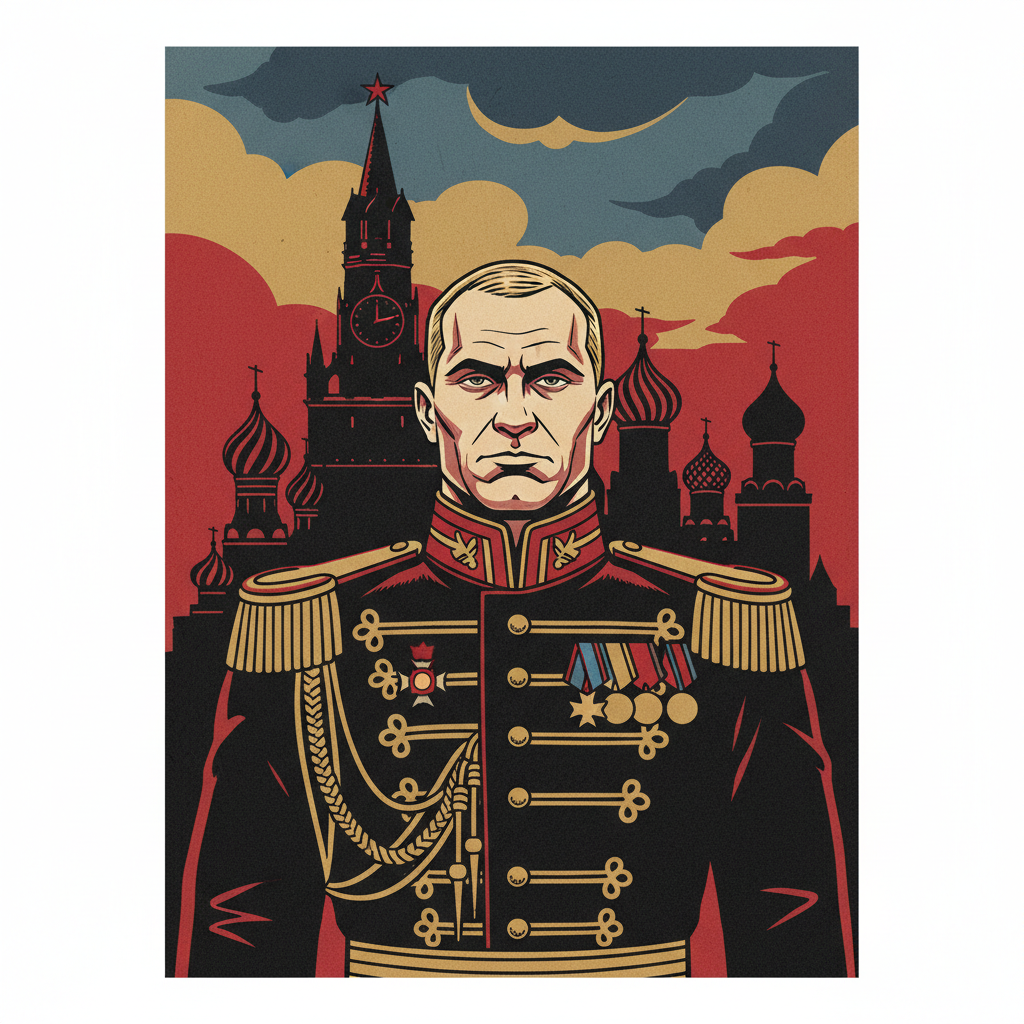
The Challenge of Estimation
Assessing the personal wealth of a leader like Vladimir Putin is inherently difficult due to the opaque nature of Russia's political and economic systems. In authoritarian states, the lines between state assets and personal holdings frequently blur, allowing powerful individuals to control vast resources without direct ownership. Estimates from various investigative bodies have ranged from tens of billions to over $200 billion, suggesting control over significant stakes in state-affiliated corporations and extensive real estate, often held through a network of allies and shell companies.
Geopolitical Influence and Power Consolidation
Vladimir Putin's influence extends far beyond mere financial holdings, as evidenced by his current influence score of 95/100 within geopolitical tracking systems. His strategic focus is underscored by top connections by signal volume: Russia (66 tracked signals), Ukraine (30 tracked signals), and China (20 tracked signals). These connections highlight his central role in critical international relations and his direct involvement in key global flashpoints. The sheer volume of tracked events, totaling 97 in the GeoGazet graph, signifies continuous significant activity and strategic maneuvering on the global stage.
Recent legislative actions further illustrate his firm grasp on power. GeoGazet tracking has reported:
- "Putin signs law authorizing use of military force to 'protect Russian citizens' abroad"
- "Putin signed a law granting the right to deploy the Armed Forces to protect Russians arrested by foreign courts without "
- "Putin signs law enabling him to deploy Russian troops abroad to "protect" Russian citizens"
These laws significantly expand the Kremlin's justification for military intervention outside its borders, effectively providing a legal framework for asserting Russian interests and influence under the pretext of citizen protection. Such measures consolidate his authority and enable the projection of Russian power, indirectly reinforcing his control over state resources and strategic assets.
Historical Parallels and Future Implications
Historically, leaders of resource-rich authoritarian states often accumulate immense personal wealth through their control of national industries and state enterprises. Similar patterns have been observed in various post-Soviet republics and autocratic regimes globally, where political power translates directly into economic leverage. The absence of robust independent oversight in Russia facilitates this blending of state and personal finance, making any precise valuation of Putin's alleged wealth speculative at best.
What to Watch For Next
Observers should monitor continued legislative actions that expand presidential powers, particularly those affecting the deployment of military forces or the control of strategic industries. Further signals regarding Russia's engagement with Ukraine and China will indicate his foreign policy priorities. Any shifts in the ownership structures of major Russian corporations, or the financial activities of key Kremlin allies, could provide indirect insights into the evolving landscape of wealth and power concentration around Vladimir Putin.