Comprehensive Support and Sanctions
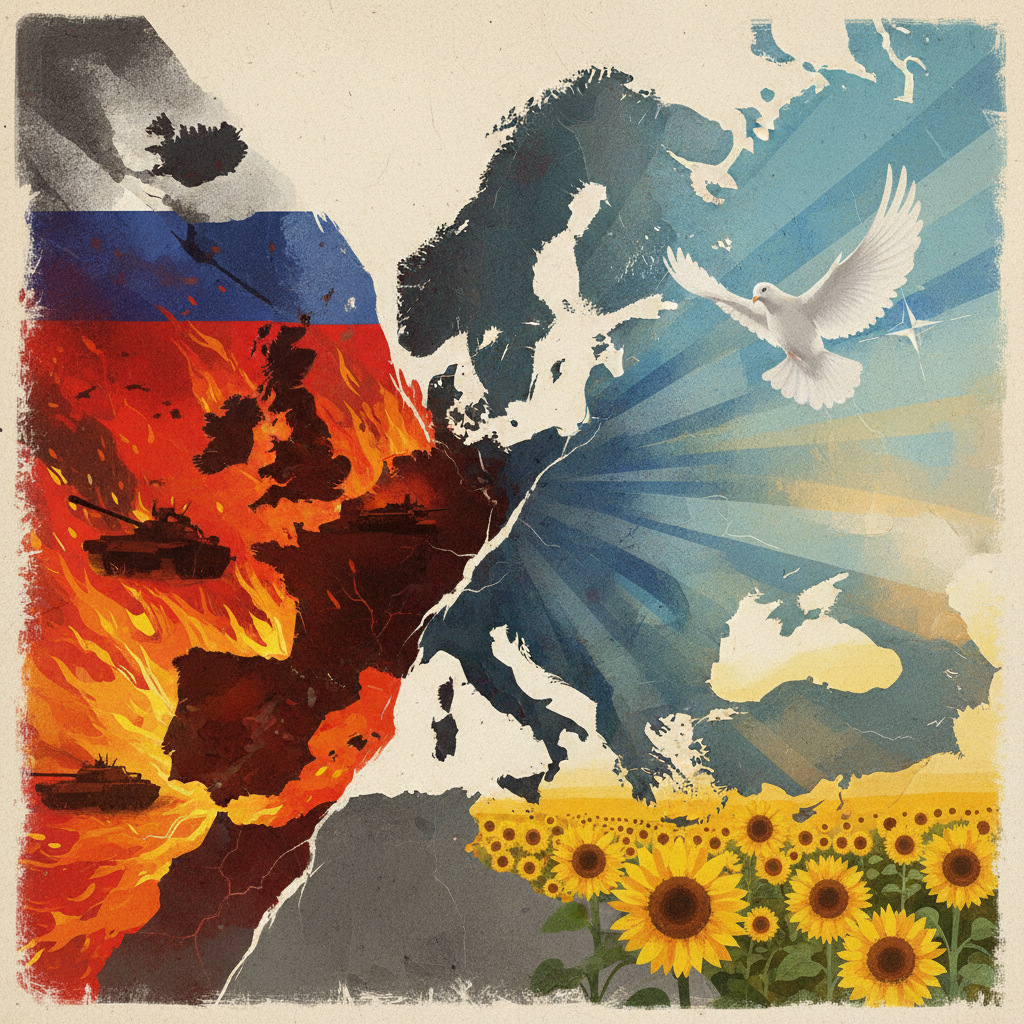
European nations, individually and through organizations such as the European Union and NATO, have enacted a broad spectrum of measures since Russia's full-scale invasion in February 2022. This extensive engagement highlights the continent's commitment to upholding international law and deterring further aggression. The intensity of focus on the conflict is illustrated by Top connections by signal volume: Russia (84 tracked signals), Ukraine (82 tracked signals), Missiles & Strikes (8 tracked signals), indicating the continuous monitoring of the main belligerents and the military dimension of the war.
Military and Financial Assistance
The provision of military hardware constitutes a cornerstone of Europe's strategy. This includes main battle tanks, advanced artillery systems, air defense platforms, and vast quantities of ammunition. This support has been crucial in enabling Ukraine to sustain its defense and conduct offensive operations. For instance, reports such as "Ukraine’s latest long-range strikes on Russia hit a major natural gas plant and satellite centers" demonstrate Ukraine's evolving capabilities, which are significantly enhanced by Western military aid. Leaders like Zelenskiy have articulated strategic objectives, with signals noting "Ukraine to Conduct Preemptive Attacks on Facilities Russia Uses for War, Zelenskiy Says," indicating a proactive approach facilitated by sustained European backing.
Financially, Europe has committed tens of billions of euros in aid, covering budget support, emergency assistance, and long-term reconstruction efforts. This financial lifeline is vital for Ukraine's economic stability amid the ongoing conflict.
Diplomatic Pressure and Energy Reorientation
Diplomatically, European states have largely united to isolate Russia on the international stage. This includes expelling Russian diplomats, limiting high-level contacts, and actively participating in global forums like the G7 to coordinate strategy. The G7's role remains significant, as demonstrated by the signal "Russia wants to know if Trump has shifted his stance on Ukraine war after G7, Lavrov says," underscoring the forum's influence on major powers' perceptions of the conflict.
Economically, Europe has imposed unprecedented sanctions targeting Russia's financial sector, energy exports, and technology access. These measures aim to degrade Russia's capacity to fund its war efforts. Concurrently, European nations have drastically reduced their reliance on Russian energy, accelerating a fundamental reorientation of energy supply chains. This represents a significant shift from historical dependencies, drawing parallels to post-World War II efforts to rebuild independent European economies.
Humanitarian Response and Future Outlook
Europe has also led a substantial humanitarian response, welcoming millions of Ukrainian refugees and providing extensive humanitarian aid within Ukraine. This human-centric approach underscores the moral dimension of Europe's engagement.
What to watch for next: Continued evolution of military aid, including advanced aviation and missile systems; the long-term efficacy of sanctions in influencing Russia's war economy; the impact of potential shifts in global political leadership on coordinated support for Ukraine; and the prospects for any diplomatically negotiated settlement versus continued military stalemate.