Current Geopolitical Context
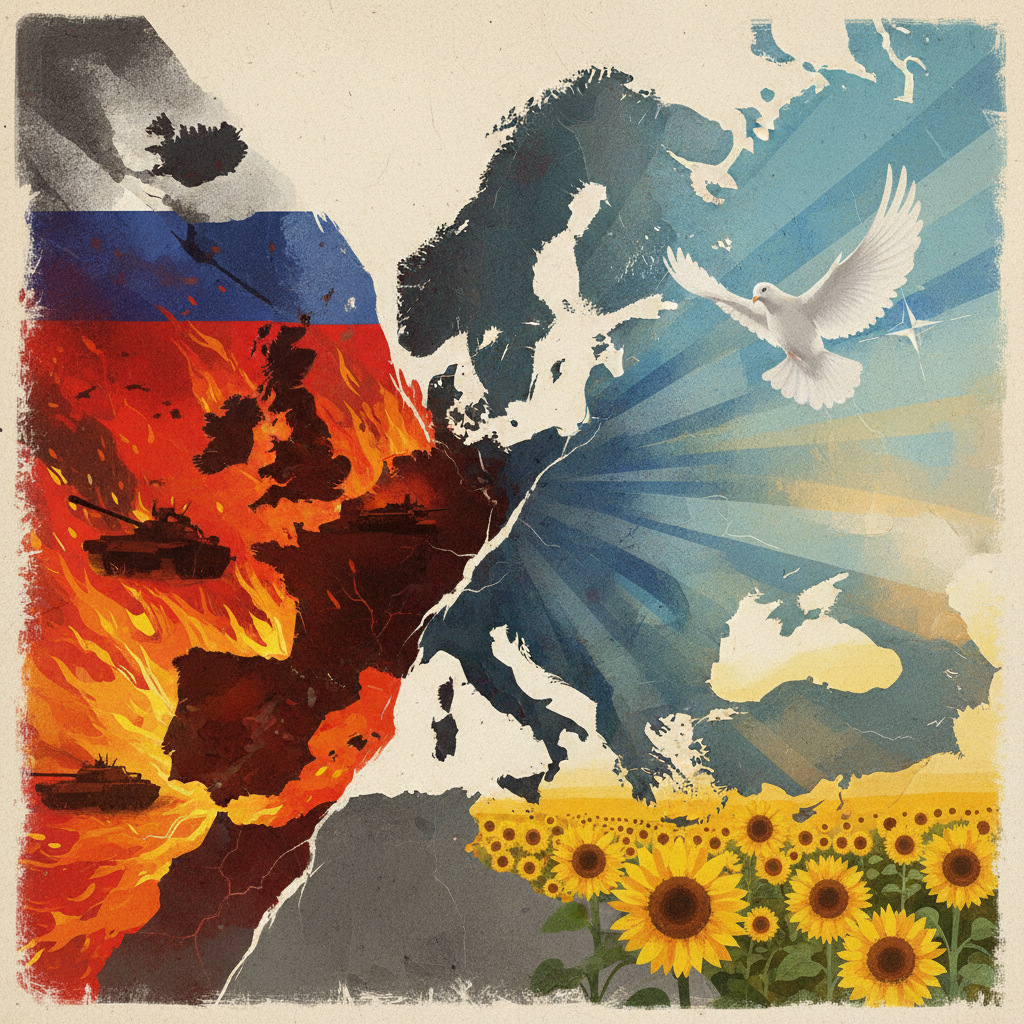
The conflict in Ukraine continues to shape global security dynamics, with ongoing Russian offensives in the Donbas and other regions, met by determined Ukrainian resistance bolstered by Western aid. Top connections by signal volume underscore the primary actors and their immediate concerns: Ukraine is tracked with 83 signals, Russia with 72 signals, and Sanctions with 7 signals, indicating sustained international focus on the military and economic dimensions of the war. A total of 100 tracked events in the GeoGazet graph confirm the dynamic and complex nature of the conflict environment.
Key Strategic Developments
A significant development tracked by GeoGazet is the report, "Russia and North Korea finalising first road crossing amid concerns it serves as Ukraine war supply route." This points to Russia’s efforts to diversify and secure its logistical chains, potentially bypassing existing sanctions regimes. Historically, such infrastructure projects between authoritarian states often facilitate material transfers, echoing Cold War-era patterns where proxy conflicts were sustained through robust supply lines shielded from direct international oversight. The implication is a deepening military and economic alignment between Moscow and Pyongyang, with direct relevance to Russia's ability to wage sustained warfare in Ukraine. This development directly relates to the ongoing scrutiny of "Sanctions" as a critical area of global concern.
Simultaneously, the global community remains engaged in diplomatic and humanitarian responses to the conflict. A GeoGazet signal notes, "Security Council LIVE: Briefing on Ukraine as deadly Russian strikes hit cities and ports." This highlights the persistent brutality of the conflict, with Russia continuing to target Ukrainian urban centers and critical infrastructure. Such briefings at the United Nations Security Council underscore the international community's condemnation and continuous efforts to address the humanitarian crisis and potential violations of international law. The regular occurrence of these briefings signifies the war's enduring position at the forefront of the global diplomatic agenda.
Momentum and Future Outlook
The question of battlefield momentum remains a subject of intense debate among analysts. GeoGazet tracking includes a signal titled, "Who has the momentum in the Russia-Ukraine war? – video explainer," indicating that the tactical situation is fluid and highly contested. While Russia has launched localized offensives, Ukraine continues to demonstrate resilience and adapt its defensive strategies. Analytical bodies like ISW consistently evaluate control of territory, combat effectiveness, and logistical capabilities to assess shifting advantages. The high signal volumes for both Ukraine and Russia reflect the ongoing, intensive military activities from both sides.
What to Watch For Next
Observers should monitor the operational status of the Russia-North Korea road crossing and any subsequent evidence of material transfers impacting the conflict. Further Russian offensive operations, particularly their scale and success, will be critical. The effectiveness of Western military aid deliveries to Ukraine and their impact on the battlefield will also be key. Finally, the sustained international diplomatic efforts, including future Security Council discussions and the enforcement of sanctions, will continue to shape the geopolitical trajectory of the Ukraine War.