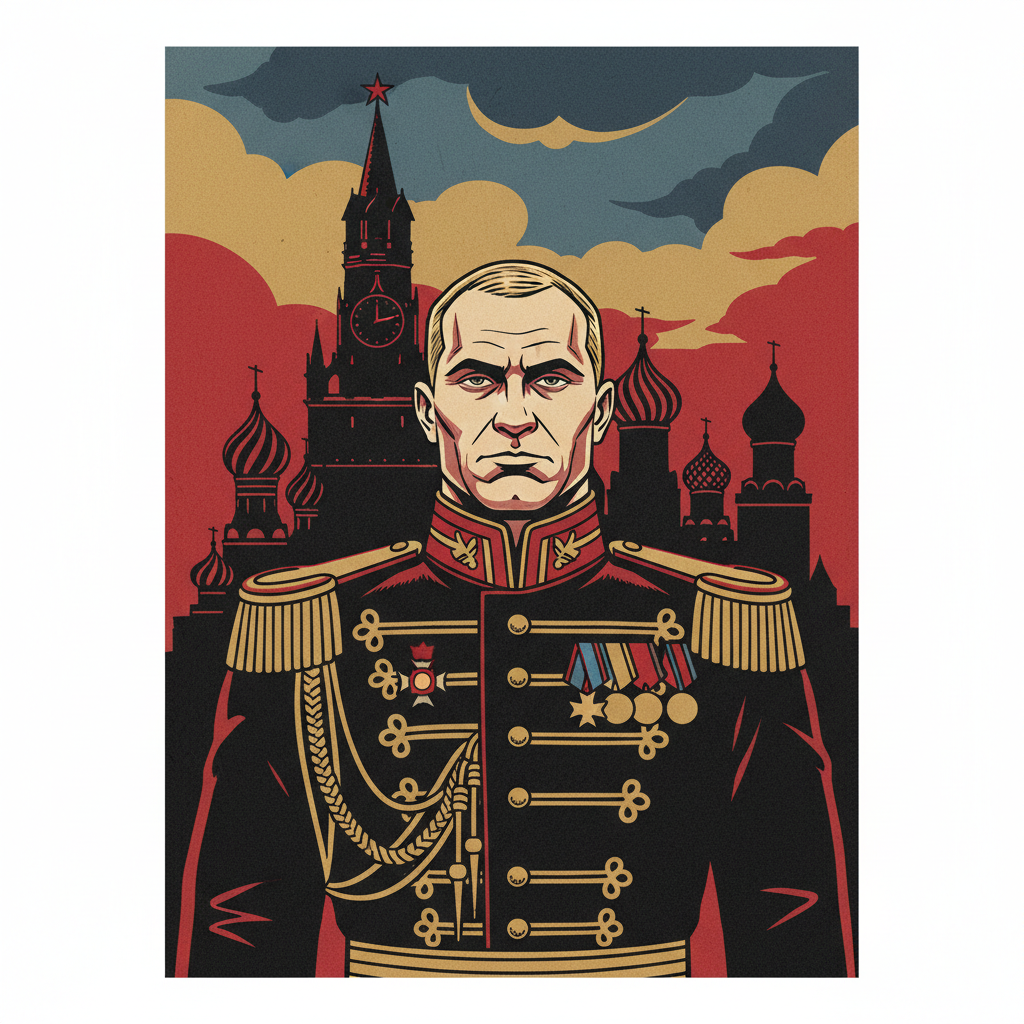
Russia's Current Geopolitical Posture and Influence
Russia maintains a profound influence on the global stage, evidenced by its current influence score of 100/100, indicating its central role in numerous international developments. GeoGazet tracking shows Russia as the subject of 69 tracked signals, making it the top connection by signal volume, followed by Ukraine with 36 tracked signals, and the United Kingdom with 3 tracked signals. The conflict in Ukraine continues to dominate much of Russia's external engagement and internal considerations.
Recent intelligence signals highlight both the pressures and potential directions of Russian policy. GeoGazet tracking reveals that "Ukrainian Strikes Expose Russia’s Weakness Amid Growing Pressure for Compromise," suggesting that military setbacks are impacting Moscow's strategic calculus. Simultaneously, internal dynamics within Russia are complex, with another GeoGazet signal stating, "Elites Could Push Putin to Either End the War or to Escalate It." This indicates a divergence of interests or strategies among key power brokers within the Russian system, potentially influencing Vladimir Putin's future decisions regarding the conflict.
NATO Concerns and Hybrid Threats
Beyond Ukraine, Russia's relationship with NATO remains highly contentious. Intelligence warnings indicate that "Russia preparing hybrid attacks on NATO's eastern flank," a signal tracked by GeoGazet. These non-conventional attacks, which can include cyber operations, disinformation campaigns, and economic coercion, aim to destabilize Western nations without direct military confrontation. The United Kingdom, as a key NATO member and a country frequently targeted by Russian cyber activities, features in the top connections by signal volume, underscoring its role in monitoring and responding to these threats. The total tracked events in the GeoGazet graph stand at 100, reflecting the high volume of geopolitical activity.
Historical Context and Future Implications
The relationship between Donald Trump and Vladimir Putin during Trump's presidency was notably distinct from traditional US-Russia dynamics. Trump often expressed a desire for improved relations with Moscow, sometimes diverging from the more confrontational stance of many Western allies and previous US administrations. This historical context informs current discussions about how a potential return of Trump to the presidency might reshape US foreign policy, particularly concerning the conflict in Ukraine and NATO solidarity. While direct "news today" is absent, the ongoing geopolitical landscape, marked by intense Russia-West tensions, makes any future shift in US policy a critical point of speculation and analysis among intelligence communities and international observers.
What to Watch For Next
Observers should closely monitor the evolving situation in Ukraine, specifically any signs of shifting Russian strategy in response to internal or external pressures. Attention should also be paid to the nature and frequency of Russia's activities towards NATO's eastern flank. Furthermore, developments in US domestic politics, particularly statements and policy proposals from leading presidential candidates regarding foreign policy, will be crucial in understanding potential future trajectories of US-Russia relations.