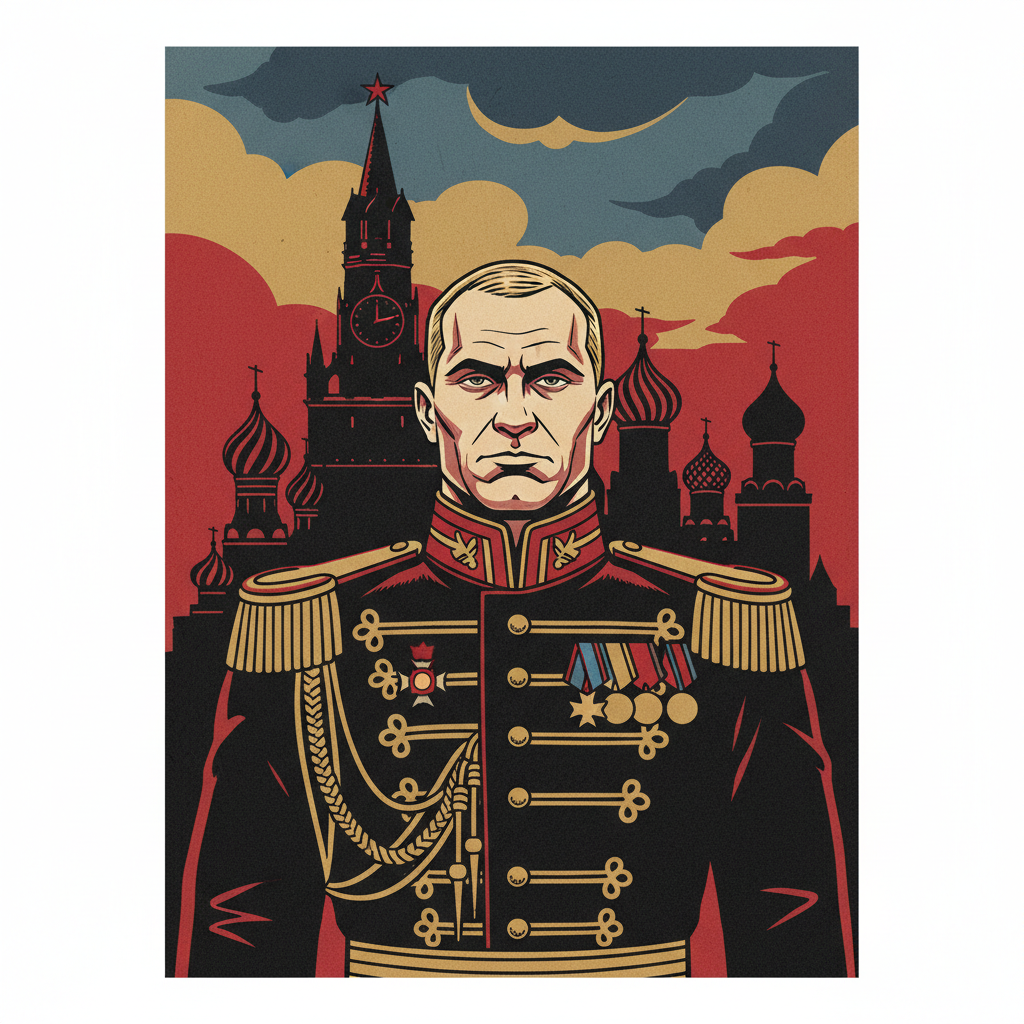
Current Geopolitical Context and Obstacles to Dialogue
The current geopolitical landscape is characterized by entrenched positions and maximalist demands from both Moscow and Kyiv. Russia continues its military operations in Ukraine, aiming to secure territorial gains and achieve its stated objectives, which include demilitarization and denazification of Ukraine, terms rejected by Kyiv as pretexts for conquest. Ukraine, supported by numerous international partners, maintains that any negotiations must begin with the full restoration of its territorial integrity, including Crimea and the Donbas regions, and accountability for war crimes. These opposing preconditions render direct high-level talks exceedingly difficult.
Intelligence tracking reveals the intense global focus on this conflict. GeoGazet reports a current influence score of 100/100 for the situation, indicating its paramount global significance. Top connections by signal volume further underscore this, with Russia tracking 63 signals and Ukraine tracking 27 signals. This high volume of intelligence activity, totaling 100 tracked events in the GeoGazet graph, highlights the continuous monitoring of developments, yet none point towards an imminent Putin-Zelensky meeting.
Putin's Diplomatic Engagements
President Putin's recent diplomatic engagements, as tracked by GeoGazet, illustrate a focus on strengthening alliances and managing regional relationships rather than pursuing direct dialogue with Ukraine. Signals include: "North Korea’s Kim Voices Full Support for Russia, Sends National Day Message to Putin, KCNA Says," demonstrating efforts to bolster international support from non-Western aligned states. Another signal, "Will Russia–Armenia Relations Improve Following Pashinyan’s Re-Election?," indicates Russia's ongoing attention to its traditional sphere of influence and regional security dynamics. Furthermore, "President Brahim Ghali congratulates Russian President Vladimir Putin on Russia’s National Day" reflects sustained diplomatic outreach to specific partners. These engagements suggest a strategic prioritization that does not include direct negotiations with Kyiv under current terms.
Historical Precedents and Outlook
Historically, high-level meetings between warring parties often occur after a significant shift in military advantage, the exhaustion of one or both sides, or substantial international mediation efforts that establish a clear framework for negotiation. Early attempts at negotiation between Russia and Ukraine in the initial months of the 2022 invasion, for instance in Istanbul, failed precisely because the fundamental disagreements over sovereignty and territory could not be bridged. Similar stalemates have been observed in conflicts like the Israeli-Palestinian dispute, where direct leader-level talks often require extensive groundwork and concessions that are not presently evident. The substantial diplomatic activity surrounding "Economy & Rates," accounting for 5 tracked signals, suggests that economic pressures are a significant factor, but these have not yet compelled either side towards a direct leaders' summit.
What to Watch For Next
Future developments to watch for include any significant changes on the battlefield, the emergence of a credible third-party mediation framework with new proposals, or a shift in the stated preconditions for negotiation from either Moscow or Kyiv. Without such fundamental changes, a direct meeting between President Putin and President Zelensky remains a distant prospect.