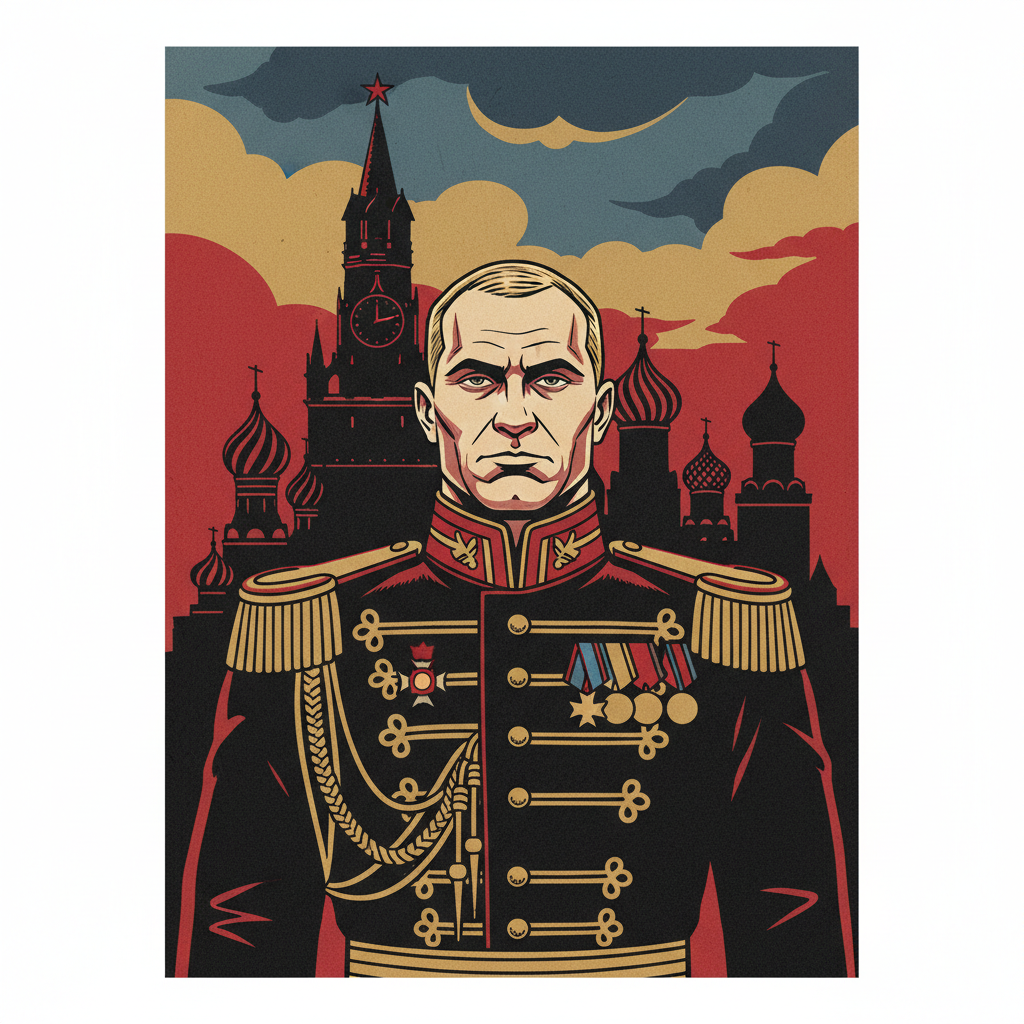
Consolidating Power and Constitutional Amendments
Vladimir Putin has systematically consolidated power throughout his leadership, transforming the Russian political landscape to ensure his continued governance. This is evidenced by his current influence score of 95 out of 100, indicating a pervasive and deeply entrenched authority within Russia and across its foreign policy apparatus. Constitutional amendments passed in 2020 reset his presidential term limits, allowing him to seek re-election for two more six-year terms after his current term concludes. This move effectively clears a path for him to remain president until he is 83 years old, drawing historical comparisons to long-serving authoritarian leaders who have similarly altered legal frameworks to extend their rule.
Geopolitical Stance and Assertive Foreign Policy
Putin's domestic power base is intrinsically linked to an assertive foreign policy, characterized by actions intended to project Russian strength and protect perceived national interests. GeoGazet tracking reveals Russia as his top connection by signal volume, with 66 tracked signals, underscoring the domestic focus of his agenda. However, significant foreign policy connections also exist, notably with Ukraine (30 tracked signals) and China (20 tracked signals). Recent legislative actions further highlight this aggressive posture: GeoGazet signals include "Putin signs law authorizing use of military force to 'protect Russian citizens' abroad," "Putin signed a law granting the right to deploy the Armed Forces to protect Russians arrested by foreign courts without," and "Putin signs law enabling him to deploy Russian troops abroad to 'protect' Russian citizens." These laws provide a legal framework for interventionism, bolstering his image as a strong leader capable of defending Russian interests globally. The total tracked events in the GeoGazet graph, numbering 97, reflect the broad scope of his administration's activities.
Mechanisms for Potential Succession
While the current trajectory indicates a prolonged presidency, hypothetical end points include democratic elections, health-related incapacity, or an internal elite challenge. However, the electoral system has been carefully managed, and popular support remains significant, partly due to control over state media and limited political opposition. Putin's public image consistently projects vigor and strength, minimizing speculation about his health. An internal challenge from within the security apparatus or political elite, while theoretically possible, would require a level of disunity and coordinated action that appears absent given his robust control and the loyalty of key figures.
What to Watch For Next
Analysts should closely monitor the cohesion of the Russian political elite and security services for any signs of fracturing or dissent. Public opinion within Russia, particularly regarding economic conditions and the outcomes of foreign policy initiatives, will also be crucial. Furthermore, the progression of Russia's relationships with key global actors, especially China and nations in its near abroad like Ukraine, will provide indicators of Putin's continuing geopolitical strategy and its domestic repercussions. Any unexpected shifts in these areas could signal potential long-term changes to the political landscape.