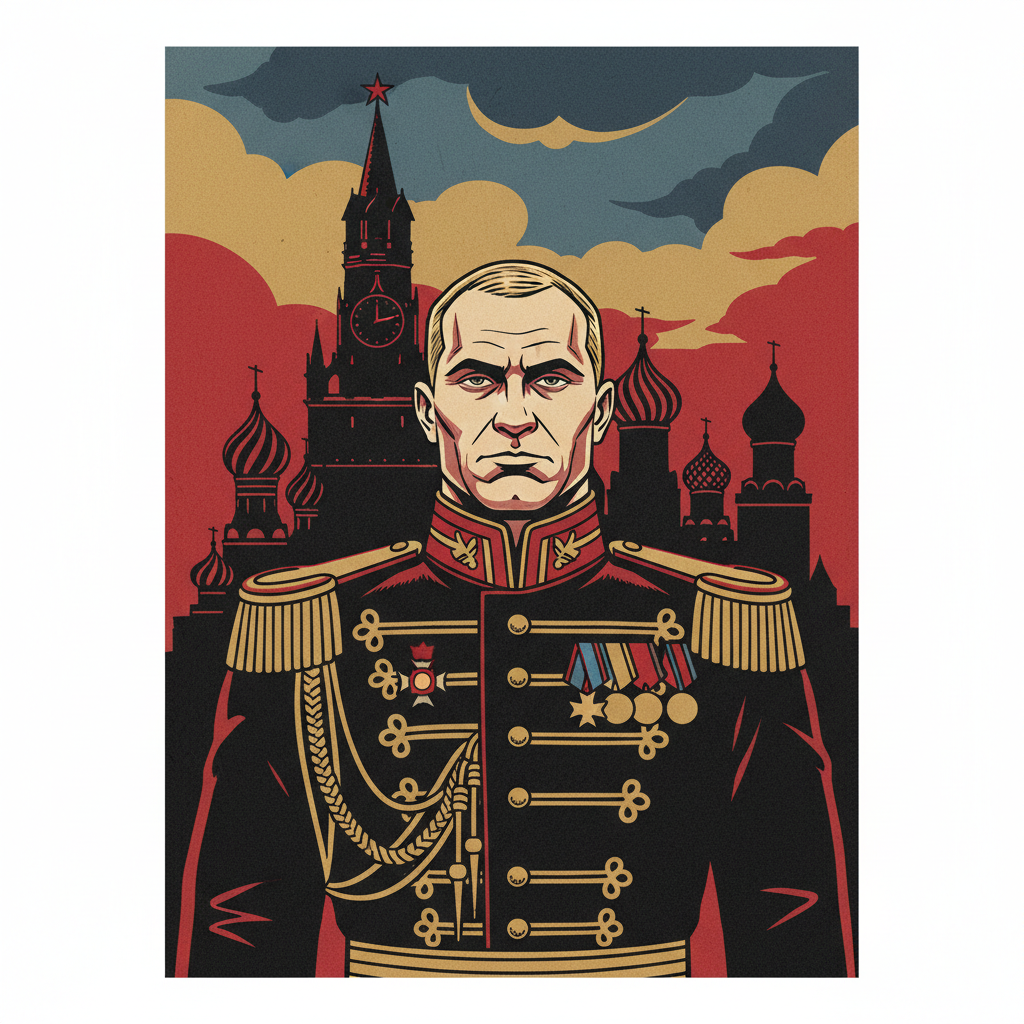
Vladimir Putin's long tenure as Russia's leader, spanning over two decades, has solidified his position as a dominant figure whose actions have profound international repercussions. His leadership is characterized by a strong emphasis on national sovereignty, a rebuilding of Russia's military capabilities, and a confrontational stance towards perceived Western encroachment. The ongoing conflict in Ukraine remains the most significant immediate geopolitical challenge, shaping Russia's relations with much of the world and driving many of the signals tracked by intelligence platforms.
Key Connections and Regional Focus
Analysis of signal volume reveals Putin's primary geopolitical engagements. GeoGazet tracking indicates Russia as his top connection with 75 tracked signals, highlighting continuous domestic policy initiatives, internal power dynamics, and national security directives. Ukraine follows with 26 tracked signals, directly reflecting the ongoing military conflict, diplomatic efforts, and humanitarian crisis. This consistent signal volume emphasizes Ukraine as the most significant foreign policy focus, dominating Russian strategic thinking and resource allocation. Poland, with 13 tracked signals, indicates the regional spillover effects of the Ukraine conflict, given its frontline position as a NATO member bordering both Ukraine and Russia's Kaliningrad exclave. Poland's increased military spending, role in supporting Ukraine, and heightened security posture directly stem from Moscow's actions, demonstrating the expansive regional impact of Putin's policies.
Notable Tracking Signals from GeoGazet
Recent signals from GeoGazet tracking provide insight into diverse narratives surrounding Vladimir Putin. One signal, "Russia's Putin is spending $26 billion to live forever," suggests a critical or satirical perspective on perceived lavish spending within the Kremlin or an obsession with power and longevity, potentially aimed at internal or external audiences. While the veracity of the claim requires further investigation, it reflects a particular media framing.
Another significant signal, "‘If Putin Were In G8…’: Trump BLAMES Obama For Ukraine War; Explosive Claim Shocks G7 Allies," highlights the persistent debate and blame allocation regarding the origins and escalation of the Ukraine conflict. This particular signal references Russia's suspension from the G8 (now G7) in 2014 following the annexation of Crimea, a key historical turning point in Russia-West relations. Such statements contribute to divergent historical narratives and can complicate efforts for a unified international response.
A third signal, "Is Trump Letting Putin Call the Shots?", underscores ongoing concerns in some Western circles regarding potential Russian influence over democratic processes and foreign policy decisions of major global powers. This narrative has persisted since the 2016 US presidential election and continues to be a point of geopolitical speculation and scrutiny, reflecting anxieties about the integrity of alliances and the impact of external actors on national sovereignty.
What to Watch For Next
Observers should monitor the evolving situation in Ukraine, including any shifts in military strategy, potential diplomatic overtures, or changes in international support for Kyiv. Attention should also be paid to internal Russian dynamics, including economic stability and elite cohesion, particularly in light of sanctions and resource allocation for ongoing military operations. Furthermore, the interplay between Russian foreign policy and the domestic political landscapes of Western nations will remain a critical area, especially concerning upcoming elections and their potential impact on international alliances and policy towards Moscow.