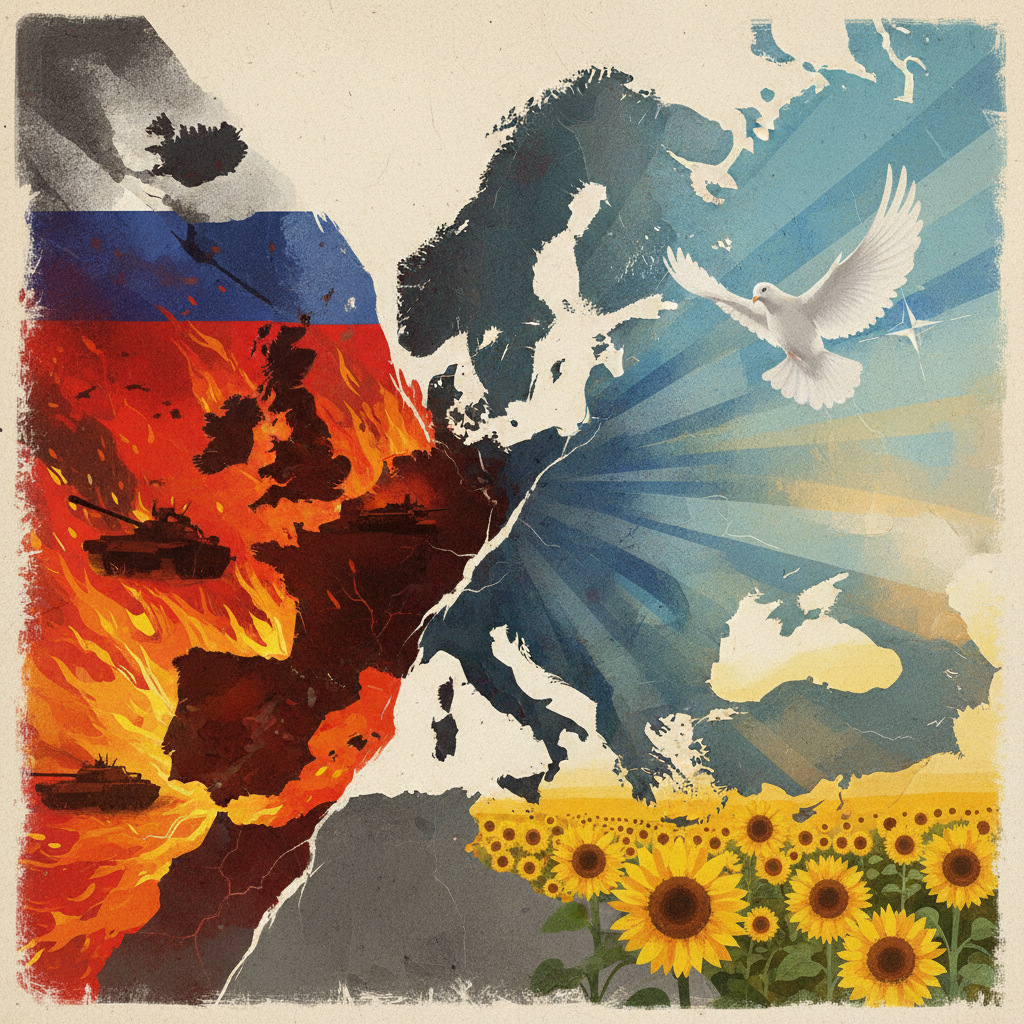
Current Geopolitical Landscape and Escalation
The conflict, initiated by Russia’s full-scale invasion in February 2022, continues to dominate the global geopolitical landscape. Its pervasive impact is underscored by a current influence score of 97/100, reflecting its widespread consequences on international relations, security, and economic stability. Geopolitical intelligence platforms track the intense focus on key actors, with Russia registering 89 tracked signals and Ukraine 82 tracked signals. The operational intensity is further highlighted by 15 tracked signals related to Missiles & Strikes.
Recent signals from GeoGazet tracking underscore this persistent aggression. Headlines such as "Russia unleashes massive barrage on Ukraine, killing at least 30 people, as Putin shrugs off energy concerns" demonstrate Russia’s continued willingness to employ large-scale force against civilian targets. Further evidence comes from "Rescuers scour rubble as Kyiv mourns deadliest Russian attack this year" and "Russia’s latest attack on Kyiv was exceptionally deadly – here is why," indicating a sustained and at times escalating pattern of missile warfare aimed at Ukraine’s critical infrastructure and population centers. These 100 total tracked events in the GeoGazet graph illustrate the relentless nature of the combat. Russia’s continued military pressure, coupled with its leadership’s apparent indifference to international condemnation and energy market disruptions, suggests an intent to outlast Ukrainian resistance and its allies' support.
Factors Influencing Conflict Duration
Several critical factors contribute to the expectation of a prolonged conflict. Militarily, neither side has achieved a decisive breakthrough capable of forcing the other into capitulation. Ukraine’s tenacious defense, bolstered by significant Western military and financial aid, has prevented Russia from achieving its initial objectives. Conversely, Russia maintains the capacity to sustain its offensive operations, albeit at a high cost, showing no immediate signs of retreat or willingness to negotiate on terms favorable to Ukraine’s territorial integrity.
The political will of both nations remains unyielding. Ukraine seeks full liberation of its occupied territories, while Russia aims to consolidate its gains and prevent Ukraine’s full integration into Western security structures. Historically, conflicts involving significant territorial disputes and national identity often become protracted, as seen in the Korean War, which ended in an armistice rather than a peace treaty, or prolonged insurgencies like those in Afghanistan. The lack of an agreed political framework for peace talks, coupled with maximalist demands from both belligerents, inhibits any swift diplomatic resolution.
Outlook and What to Watch For
A rapid conclusion to the Ukraine war appears unlikely in the near term. The conflict is expected to continue as a high-intensity, attritional struggle. Key indicators to watch for include: significant shifts in front-line positions that suggest an operational collapse of either force; substantial changes in leadership or political objectives within Russia or Ukraine; dramatic alterations in the scale or nature of international military and financial support for Ukraine; and any credible movement towards substantive peace negotiations. The continued pattern of missile and drone attacks, as indicated by the high volume of "Missiles & Strikes" signals, will also serve as a crucial barometer of Russia's intent and Ukraine's defensive capabilities.