Current Geopolitical Landscape
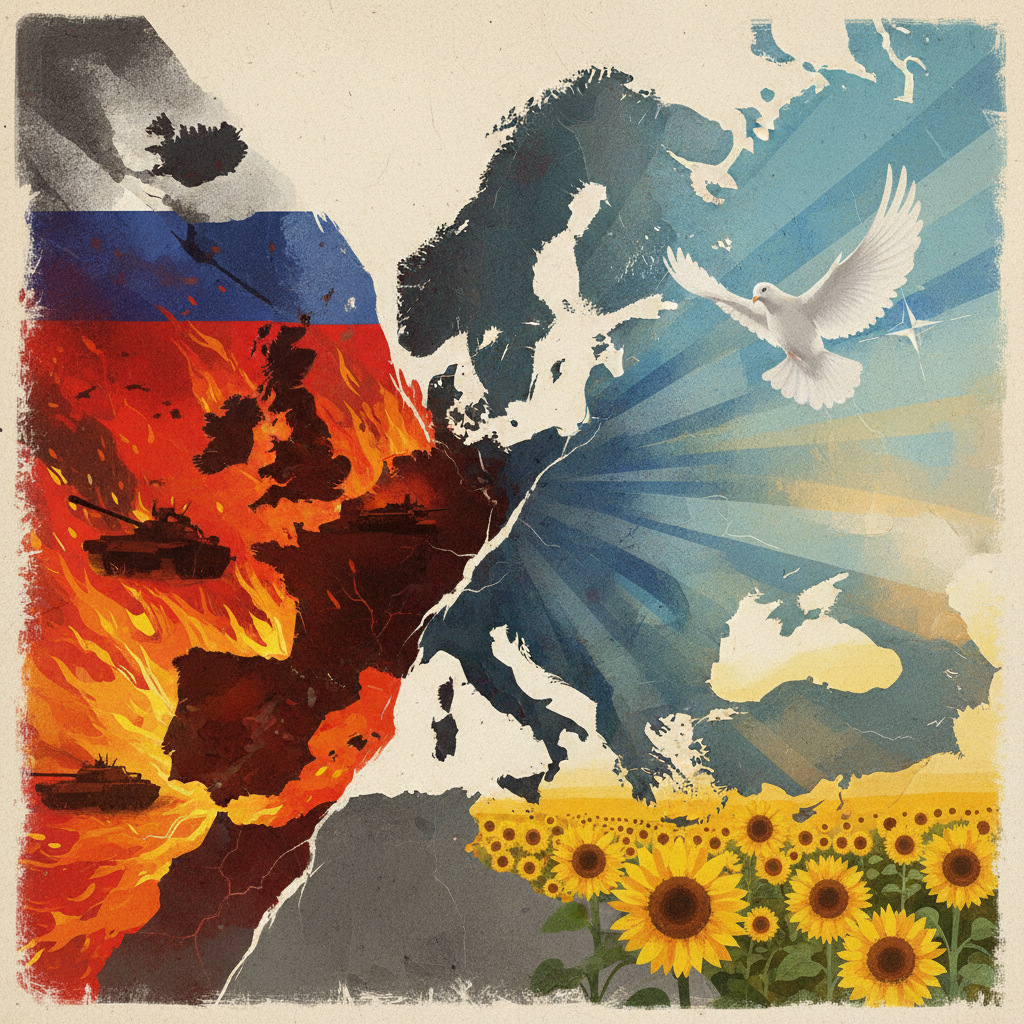
The conflict, which began in February 2022, continues to represent a significant global flashpoint, evidenced by a current influence score of 89/100, indicating its profound international impact. Analytical tracking shows top connections by signal volume are heavily concentrated on the principal belligerents: Ukraine (79 tracked signals) and Russia (77 tracked signals), with sanctions also a persistent focus (7 tracked signals). These metrics underscore the ongoing nature of the conflict and the international community's sustained attention.
Recent intelligence signals from GeoGazet tracking highlight the persistent military engagement. A report titled "The Russia-Ukraine War Report Card, June 10, 2026" suggests an analytical perspective that projects the conflict into the foreseeable future, emphasizing its protracted nature. This continuous assessment aligns with the reality on the ground, where neither side has achieved decisive victory. Ukraine has demonstrated an enduring capacity to strike at Russian assets, as indicated by recent signals such as "Ukraine strikes key logistics in Russian-occupied south" and "Ukraine launches long-range strikes on military and energy sites in Russia." These actions signify Ukraine's sustained offensive capabilities and its strategy to degrade Russia's military and energy infrastructure, thereby challenging Russian occupation and aggression. The total number of tracked events in the GeoGazet graph, numbering 100, further illustrates the scale and complexity of the ongoing conflict and the extensive monitoring required.
Factors Influencing Conflict Duration
Several factors contribute to the war's indeterminate end. Both Ukraine and Russia possess distinct, non-negotiable objectives that currently lack common ground for a diplomatic resolution. Ukraine seeks full territorial integrity and sovereignty, while Russia aims to consolidate its territorial gains and assert its geopolitical influence. The continued supply of military aid to Ukraine from Western allies strengthens its defensive and offensive capabilities, enabling it to resist Russian advances and launch counterattacks. Conversely, Russia's large military industrial base and willingness to endure sanctions allow it to sustain its war effort. Economic sanctions, while impacting Russia, have not crippled its ability to fund the conflict, as indicated by the persistent signal volume around sanctions.
Historical Parallels
Historically, conflicts with entrenched positions and significant international backing often become protracted. Comparisons can be drawn to conflicts such as the Korean War (1950-1953), which concluded not with a peace treaty but an armistice, leaving a divided peninsula, or various "frozen conflicts" around the globe that persist for decades without a definitive end. These historical examples illustrate that armed conflicts do not always conclude quickly or decisively, particularly when geopolitical interests are deeply intertwined and military stalemates develop.
What to Watch For Next
To discern potential shifts in the conflict's trajectory, observers should closely monitor several key indicators. These include any significant changes in front line control, major alterations in the volume or type of international military and financial aid to Ukraine, signs of internal political instability within either belligerent nation, or the emergence of credible diplomatic initiatives that include meaningful preconditions from both Kyiv and Moscow. Absent such developments, the conflict is likely to remain a persistent feature of the geopolitical landscape.