Context and Geopolitical Landscape
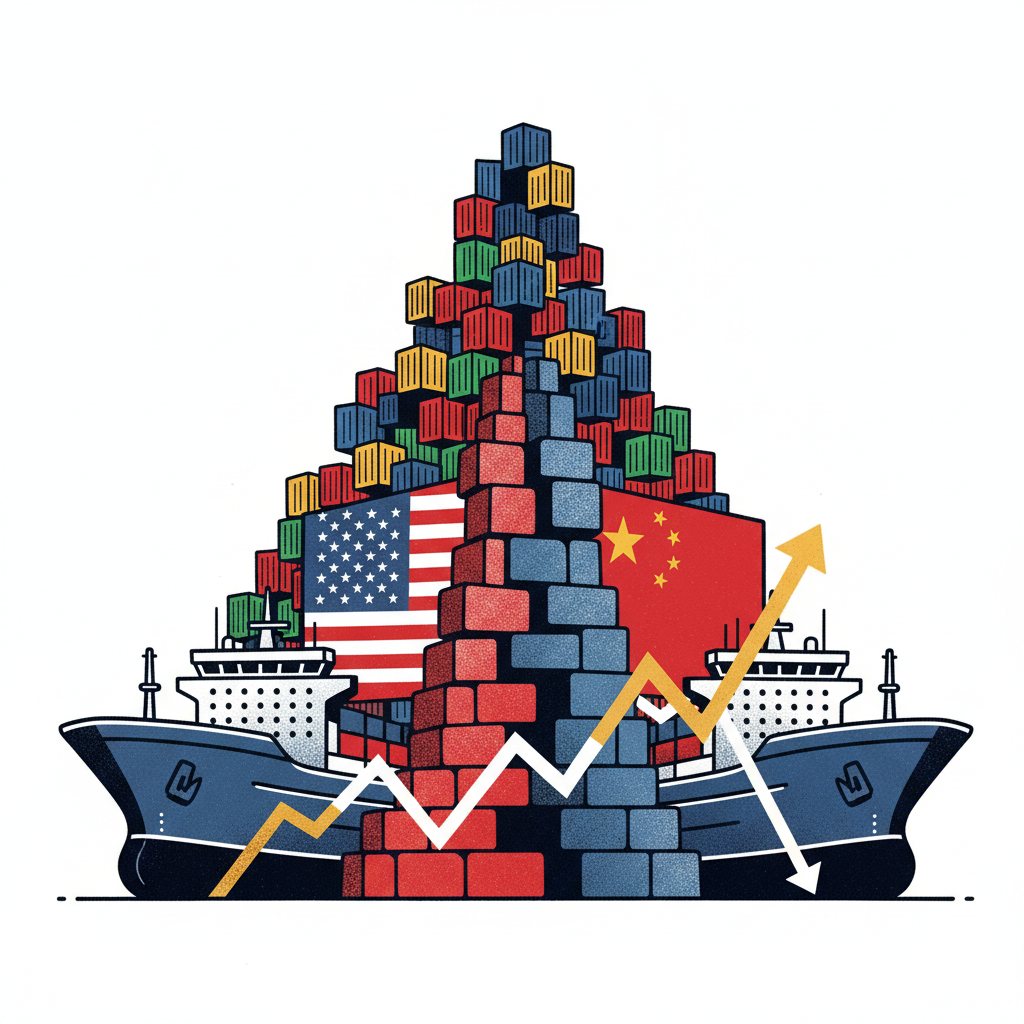
The US-China trade war, initiated in 2018, involved the imposition of significant tariffs on hundreds of billions of dollars worth of goods from both nations. The primary objectives included addressing concerns over intellectual property theft, forced technology transfer, and reducing the bilateral trade deficit. Despite a "Phase One" trade deal in early 2020, many tariffs remained in place, fundamentally altering global supply chains and economic strategies. This economic friction is deeply intertwined with broader geopolitical competition, as both countries vie for technological supremacy, regional influence, and global leadership. The trade relationship now functions as a crucial dimension of their strategic rivalry, extending beyond mere commerce to encompass national security and economic resilience.
Current Trade Dynamics and Signals
GeoGazet tracking reveals an influence score of 18/100 for the US-China trade war, indicating its continued, albeit diminished, impact on global dynamics compared to its peak. Analysis of signal volume shows "Tariffs & Trade" with 76 tracked signals, followed by "China" with 41 tracked signals, and "United States" with 12 tracked signals, underscoring tariffs as a primary point of friction and discussion. The total tracked events in the GeoGazet graph stands at 100, reflecting continuous monitoring of these interactions.
Recent signals from GeoGazet tracking highlight specific ongoing dynamics:
- "Bessent: Tariffs Will Snap Back to 'Exactly Where They Were' Before Supreme Court's IEEPA Ruling" indicates that legal and policy triggers could significantly alter the existing tariff landscape, potentially reinstating previous duties. This suggests the tariff structure is not immutable and remains subject to legal and political shifts.
- "China, US to discuss reciprocal tariff cuts under trade council, says commerce ministry" signals a persistent diplomatic channel for engagement and potential de-escalation. Such discussions point to ongoing efforts to manage the trade relationship despite broader tensions.
- "Chinese Copper Supplier Says US Demand Can Bear Trump’s Tariffs" suggests that certain sectors have adapted to or absorbed the costs associated with existing duties, demonstrating resilience within parts of the supply chain. This indicates that some industries have found ways to operate effectively even under the tariff regime.
Historical Comparisons
Historically, economic friction between major powers is not unprecedented; however, the scale and targeted nature of the US-China trade war set it apart from earlier disputes, such as the US-Japan trade tensions of the 1980s. The current situation extends beyond mere trade imbalances to encompass fundamental disagreements on economic models, national security, and technological supremacy, making resolution significantly more complex. The initial phase of tariff imposition saw considerable market volatility and shifts in global manufacturing, prompting companies to diversify supply chains.
What to Watch For Next
Future developments will likely hinge on several factors. Observers should monitor the outcomes of any discussions under the trade council regarding reciprocal tariff cuts, as these could signal a genuine shift toward de-escalation. The political rhetoric leading into upcoming US elections could also influence the administration's stance on trade policy with China, potentially leading to new pressures or adjustments. Furthermore, the global economic climate and supply chain resilience to existing tariffs will shape further policy decisions. Legal challenges to trade powers, such as the IEEPA ruling mentioned, bear close watching for their potential to alter the tariff landscape significantly and trigger policy responses.