The Lingering Shadow of Past Tensions
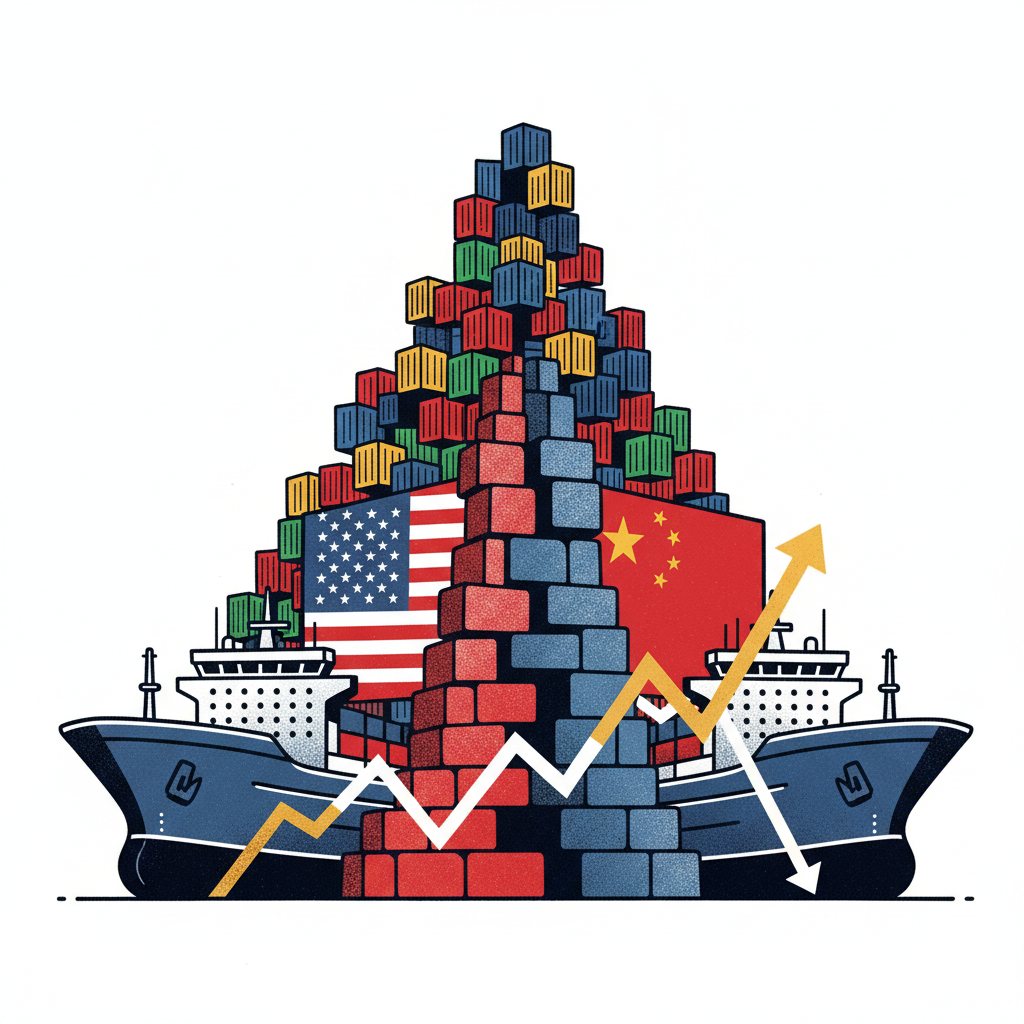
The original US-China trade war, initiated in 2018, saw the imposition of significant tariffs on hundreds of billions of dollars worth of goods by both nations. This period created considerable economic disruption, particularly for specific sectors. GeoGazet tracking revealed severe consequences, exemplified by "Trump Tariff Fallout: Indiana Farmers Lost $607M from US-China Trade War." This specific event, tracked multiple times, serves as a stark reminder of the tangible economic pain inflicted by such policies. The rationale behind these tariffs varied from addressing intellectual property theft and forced technology transfer to reducing the bilateral trade deficit.
Current Dynamics and Geopolitical Context
While the immediate "Current influence score: 8/100" suggests a lower direct impact from a trade war at present, the underlying geopolitical environment is complex and volatile. GeoGazet tracking shows "China" with 35 tracked signals, "Tariffs & Trade" with 27, and "United States" with 11 signals, indicating that these interconnected issues remain central to global intelligence monitoring. The total tracked events in the GeoGazet graph stand at 48, illustrating the multifaceted nature of the US-China relationship, which extends beyond trade to encompass technological competition, human rights, regional security, and the status of Taiwan. This broader rivalry forms a critical backdrop against which future trade policies will be determined. The current administration has largely maintained existing tariffs while pursuing a strategy of "de-risking" rather than complete "decoupling."
Projections for 2025 and Potential Triggers
The most significant factor for 2025 projections concerning a renewed US-China trade war is the evolving political landscape, particularly the potential for a "Trump 2.0 Era," as indicated by a recent GeoGazet signal: "US-China Relations in the Trump 2.0 Era: A Timeline." A return to power by former President Trump would likely lead to an aggressive re-evaluation of trade policies, potentially involving the re-imposition or escalation of tariffs, possibly even broader across-the-board tariffs on all imports. Such a move would draw historical comparisons to early 20th-century protectionist policies, raising fears of retaliatory measures from Beijing. China, facing its own internal economic challenges and prioritizing technological self-reliance, could respond with its own trade restrictions or accelerate efforts to reduce dependence on Western supply chains. The drive for domestic resilience on both sides means that economic competition will likely intensify regardless of specific tariff actions.
What to Watch For Next
Key indicators include the outcomes of upcoming elections in the United States, specific policy statements from presidential candidates, and any overt actions regarding import duties or export controls. Observing statements from both Washington and Beijing concerning economic decoupling, supply chain resilience, and trade imbalances will be crucial. Furthermore, the response of international bodies and major trading partners to potential new trade barriers will provide insight into the scope and severity of any future trade conflicts.