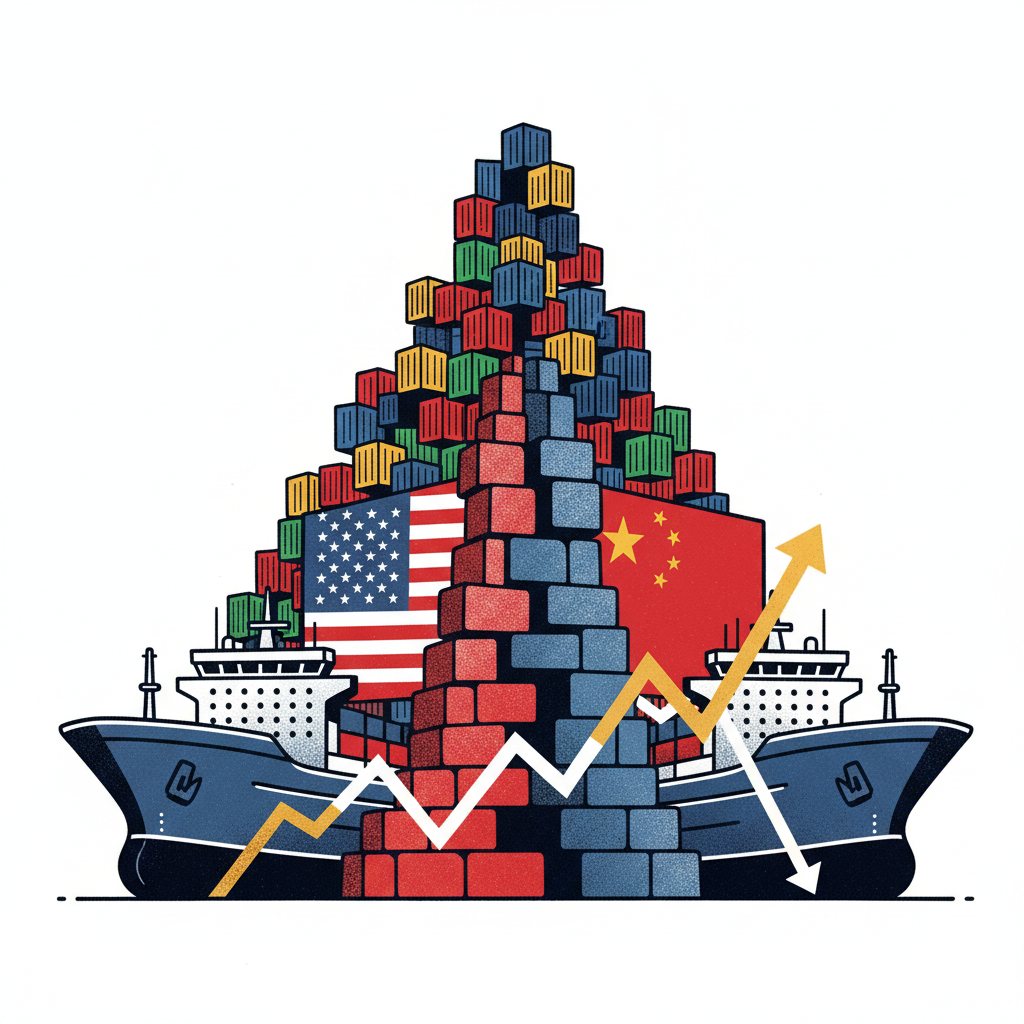
Background and Evolution of the Trade War
Initiated in 2018 under the Trump administration, the trade war was primarily driven by US concerns over intellectual property theft, forced technology transfers, China's state subsidies, and the significant bilateral trade deficit. The initial phase saw the imposition of tariffs on hundreds of billions of dollars worth of goods by both nations. While a "Phase One" trade deal was signed in January 2020, significantly lowering some US tariffs in exchange for Chinese commitments to purchase more American goods, many tariffs remained in place, continuing to shape economic policy and corporate strategy.
Current State and Tariff Enforcement
The trade war's effects continue to reverberate, with tariffs largely enduring. Recent GeoGazet tracking signals, such as "Trump’s 'forever' tariffs are kicking in for the long haul – and US consumers are footing the bill," highlight the lasting nature of these duties and their direct economic impact on American consumers. The US administration continues to scrutinize China's trade practices, often linking economic competition to broader strategic rivalry. GeoGazet data identifies Tariffs & Trade as a dominant theme, with 82 tracked signals, followed by China (44 tracked signals) and the United States (16 tracked signals), indicating the centrality of these actors and issues. The complexity of this economic conflict is underscored by the 100 total tracked events in the GeoGazet graph.
Tariff Evasion and Geopolitical Implications
A significant challenge identified in the ongoing trade dispute is tariff evasion. GeoGazet signals indicate widespread attempts to circumvent these duties. One report noted, "Peter Navarro rips into China in White House report that is more about other countries aiding tariff avoidance," suggesting a sophisticated network of circumvention involving third countries. Further evidence from GeoGazet confirmed, "US claims billions lost to tariff evasion through third countries." This highlights not only the economic cost of the trade war but also the geopolitical intricacies of enforcement, as nations and corporations adjust their supply chains to mitigate tariff burdens, sometimes through illicit means. These actions complicate enforcement efforts and introduce new friction points in international relations.
Historical Comparisons and Future Outlook
Historically, trade disputes have been common, though the scale and interconnectedness of the US-China trade war are arguably unprecedented. Comparisons can be drawn to protectionist eras, such as the Smoot-Hawley Tariff Act of 1930, which contributed to global economic downturns, though modern global supply chains present a different economic landscape. The current situation reflects a broader geopolitical competition extending beyond mere trade, encompassing technological supremacy, regional influence, and ideological differences.
What to Watch For Next
Observers should monitor several key areas. First, the political will in Washington and Beijing to maintain or modify existing tariff structures will be crucial, particularly given upcoming election cycles in the US. Second, the effectiveness of measures to combat tariff evasion and the potential for new enforcement actions against third countries facilitating circumvention warrant close attention. Finally, the broader geopolitical context, including tensions over Taiwan and technological competition, will continue to influence trade policy, potentially leading to further decoupling initiatives or new forms of economic engagement.