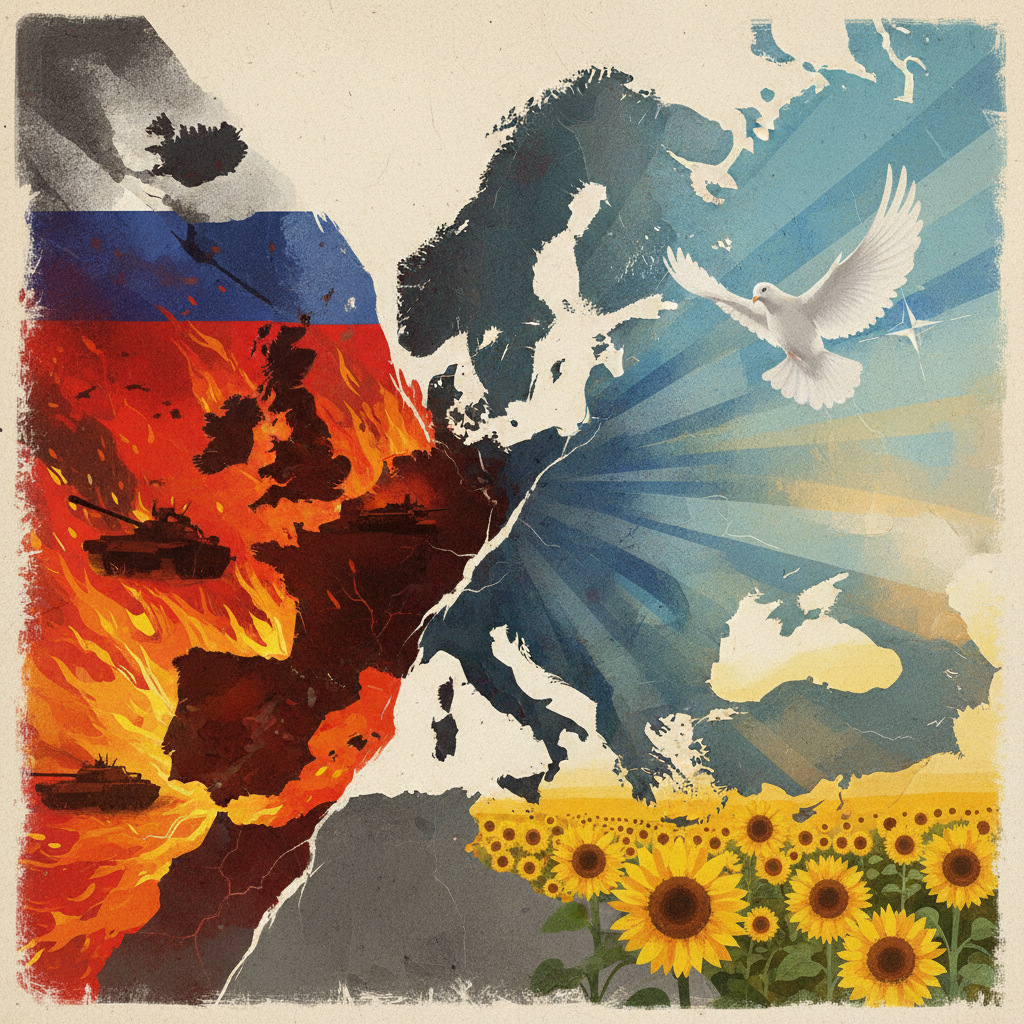
The conflict in Ukraine, now in its third year, remains a central geopolitical flashpoint, driving significant international attention and resource allocation. Its dynamics are characterized by continuous adjustments in military strategy, technological adaptations, and a persistent information war. The top connections by signal volume, according to GeoGazet, are Russia (87 tracked signals) and Ukraine (80 tracked signals), indicating their primary roles in driving the conflict narrative and operational activity.
Recent Escalations and Strikes
The past 24 hours have seen a continuation of reciprocal strikes, escalating human and material costs. GeoGazet tracking reported “At Least 5 Dead as Russia and Ukraine Exchange Wave of Strikes,” highlighting the immediate human cost of this sustained attrition. These exchanges encompass a variety of targets, with Ukraine specifically targeting Russian industrial and energy infrastructure. GeoGazet signals note “Ukraine strikes Russian weapons plant, Moscow fuel hub” and further specify “Ukraine strikes industrial facility in Russia’s Volgograd as Russian drone attack kills 1.” These actions demonstrate Ukraine’s capability and intent to disrupt Russia’s military industrial complex and energy supply chains. Conversely, Russian forces continue their drone and missile campaigns against Ukrainian targets, contributing to the overall casualty count. The frequency of such events is reflected in the 10 tracked signals related to Missiles & Strikes.
Geopolitical Context and Historical Parallels
The current phase of deep strikes against economic and military-industrial targets by both belligerents echoes historical patterns of sustained warfare, particularly the strategic bombing campaigns seen in conflicts such as World War II. These campaigns aimed to degrade an adversary’s ability to wage war by targeting its production capacity and logistical networks. The persistent targeting of energy infrastructure, as seen with the Moscow fuel hub strike, also serves a dual purpose of undermining war effort capabilities and civilian morale. The sheer volume of reported incidents, with a total of 100 tracked events in the GeoGazet graph, underscores the breadth and intensity of the ongoing hostilities.
What to Watch Next
The immediate future of the Ukraine War will likely be shaped by the continued efficacy of these deep strike campaigns and the respective air defense capabilities. Observers should monitor for any significant shifts in target selection, which could signal new strategic objectives. Furthermore, the capacity of both Russia and Ukraine to sustain these advanced weapon systems and repair damaged infrastructure will be a critical factor in determining the conflict’s trajectory. The ongoing global influence of the conflict suggests that international responses and military aid packages will also play a pivotal role in shaping developments on the ground.