Jak klimatická změna ovlivňuje tok energie v ekosystému
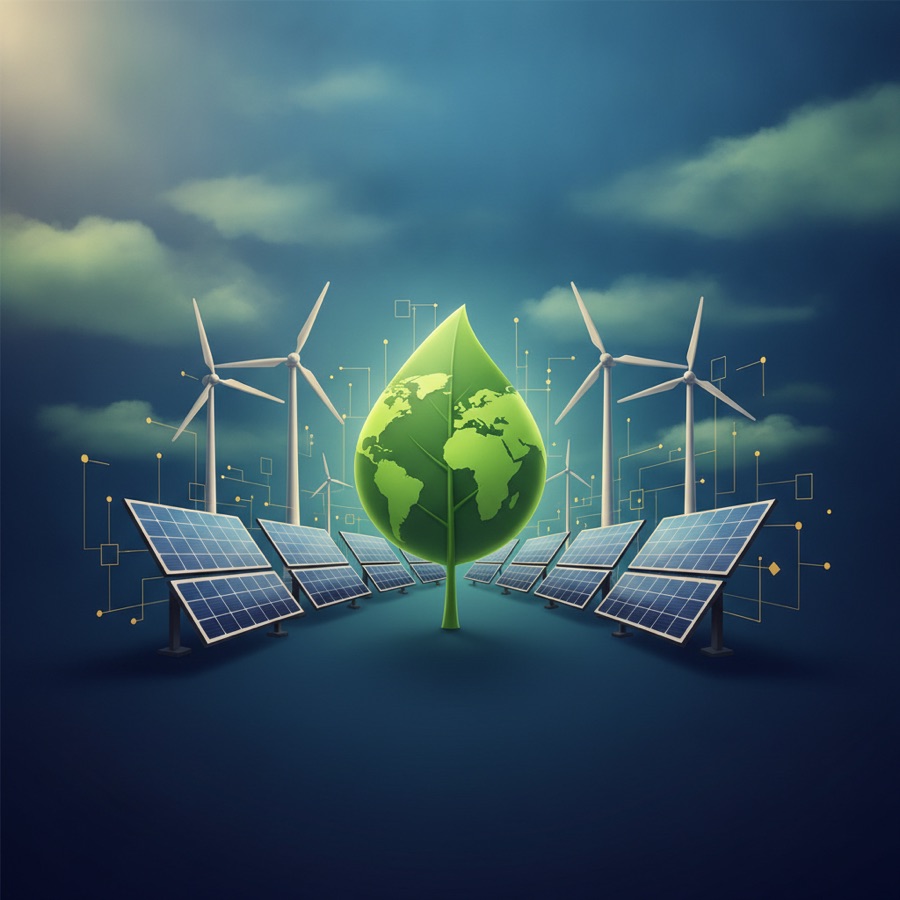
Climate change disrupts the fundamental movement of energy through food chains by altering temperature patterns, precipitation, and species timing.
Warming temperatures shift when organisms breed, migrate, and feed, creating mismatches that break energy transfer between trophic levels.
Přečtěte si kompletní zprávuZobrazit méně
How Climate Change Affects Energy Flow in Ecosystems
Thermal Stress on Primary Producers
Rising temperatures damage photosynthetic capacity in plants and phytoplankton, reducing the base energy input for all ecosystems. Alpine and glacial regions face acute pressure: Swiss glaciers suffered a "disastrous" year of ice loss in 2025, directly threatening water supplies that sustain downstream ecosystems and their energy production cycles.
Species Synchronization Collapse
Climate change causes phenological mismatch, where predators and prey no longer align their life cycles. When insects emerge before plants leaf out, or birds arrive after peak insect availability, energy transfer efficiency declines sharply. This cascading effect propagates through food webs, reducing overall ecosystem productivity and resilience across trophic levels.