Duration and Entrenchment
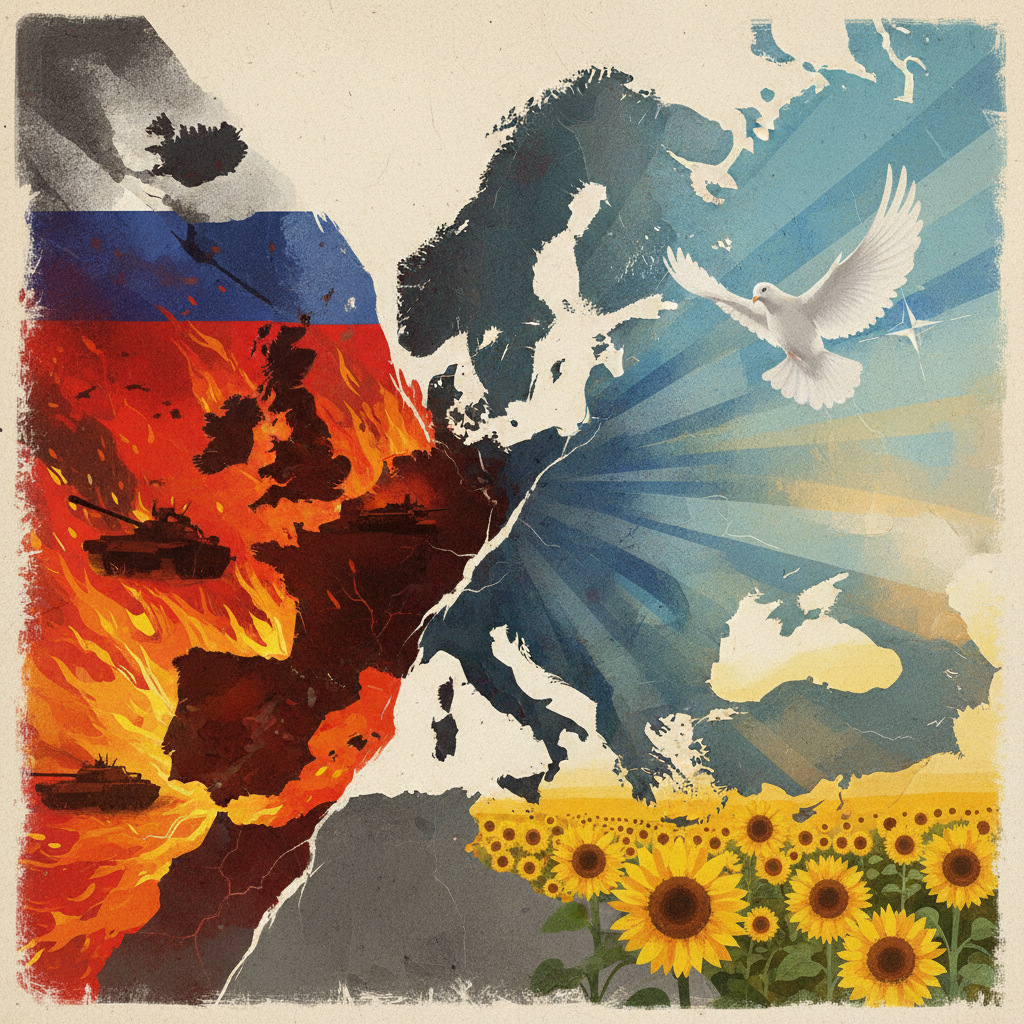
The conflict, already characterized by its protracted nature, shows no definitive signs of cessation. GeoGazet tracking specifically notes that "Ukraine’s war is now longer than the first world war," a significant historical comparison underscoring its extended duration. The First World War, lasting over four years, serves as a benchmark for the current conflict's entrenched status and the intensity of modern protracted warfare. With a current influence score of 92/100, the war remains a dominant global concern, reflecting its deep impact on international relations. GeoGazet graphs register a total of 100 tracked events, further illustrating the ongoing complexity and sustained activity associated with the conflict.
Geopolitical Landscape and Key Actors
The conflict is central to the geopolitical agenda, as evidenced by the high signal volume from top connections. Ukraine generates 82 tracked signals, Russia 74 tracked signals, and NATO 6 tracked signals. These figures highlight the primary belligerents and the principal security alliance heavily invested in the war's outcome. Russia's strategic objectives, which have shown little sign of fundamental alteration, and Ukraine's resolute defense, bolstered by international partners, contribute to the lack of a clear end in sight. The commitment of external actors to support Ukraine's sovereignty further complicates any predictions for a swift resolution.
Sustained International Support
International support for Ukraine remains a critical factor in the conflict's continuation. Recent signals indicate that "US lawmakers seek $750 mln for Ukraine," underscoring continued financial and military assistance. This demonstrates a sustained commitment to bolstering Ukraine's defense capabilities. Furthermore, the proposed renaming of the Pentagon to the "Department of War" in a defense bill, while symbolic, reflects a long-term strategic outlook among key international players regarding global conflicts, including Ukraine. This sustained commitment ensures Ukraine's capacity to continue resistance, thereby prolonging the conflict in the absence of a decisive military breakthrough or political settlement. The continued provision of aid ensures the conflict remains an ongoing concern for major global powers.
Outlook Beyond 2026
The intelligence points to an ongoing conflict well into 2026. The operational tempo, as indicated by active "UCPM MEDEVAC operations" reported on "11/06/2026," implies that humanitarian and military needs persist. Historical parallels with other long-duration conflicts suggest that factors such as the political will of belligerents, the nature of external support, and the exhaustion of resources often dictate the ultimate timeline. At present, none of these indicators definitively point to an end within the next two years. The entrenched positions and significant international stakes suggest a prolonged state of hostilities.
What to Watch For Next
Future developments hinge on several critical factors. Monitoring the trajectory of international aid packages, particularly from the United States and European Union, will be paramount. Changes in domestic political landscapes within key supporting nations, which could influence aid levels, are also important. Further, tracking any shifts in the military strategies of Russia and Ukraine, attempts at diplomatic engagement, and the humanitarian situation, particularly medical operations, will offer insights into the conflict's intensity and potential for de-escalation.