Current Geopolitical Posture
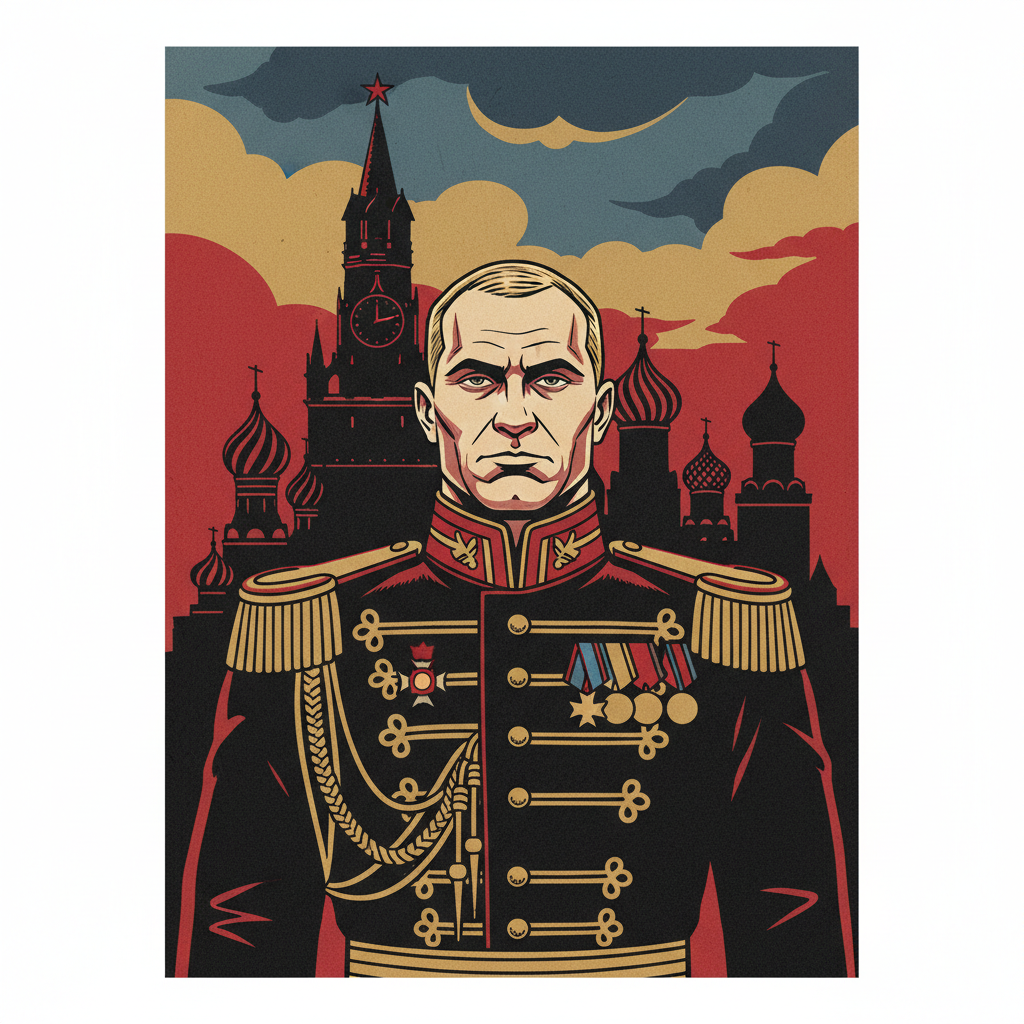
President Vladimir Putin continues to exert maximal control over Russia's geopolitical posture, a fact underscored by a current influence score of 100/100. This score indicates his singular authority over key domestic and foreign policy decisions. GeoGazet tracking indicates Russia (72 tracked signals) remains the primary focus of his actions, followed by Ukraine (29 tracked signals) and Poland (8 tracked signals), highlighting the immediate regional tensions and the direct impact of the war. Overall, GeoGazet's graph registers 100 tracked events concerning Putin, underscoring the intensity of developments surrounding his leadership.
Escalation and Counter-Strikes
Recent actions underscore a shift towards more aggressive, retaliatory tactics. GeoGazet signals a significant development with the headline, "Putin Unleashes Biggest Revenge Strike On Ukraine, Russian Forces Hit Fuel & Energy Sites | Watch." This reflects a strategic decision to target Ukraine's critical infrastructure, particularly energy and fuel depots, aiming to degrade its logistical capabilities and civilian morale. Such widespread strikes mirror historical patterns of attrition warfare, seeking to cripple an adversary's capacity to wage war through sustained economic and infrastructural damage. These strikes represent a direct response to perceived Ukrainian provocations or successes.
Strategic Mobilisation and Domestic Strain
The long-term sustainability of Russia's military effort remains a critical question, captured by the GeoGazet signal, "Will forced mobilisation save Putin’s war effort?" The decision to implement partial mobilisation aimed to replenish front-line forces and bolster defensive lines. While intended to provide a necessary manpower boost, it has introduced significant domestic challenges, including protests and an exodus of eligible men. Historically, Russian leaders have relied on large-scale mobilisation during times of conflict, but the modern context presents unique economic and social constraints that challenge the effectiveness and public acceptance of such measures. The success of this mobilisation is crucial for sustaining Putin's strategic objectives in Ukraine.
Ukrainian Counter-Measures and Crimean Pressure
Ukrainian forces continue to exert pressure on Russian-occupied territories, impacting Putin's strategic calculus. The GeoGazet signal, "‘Oil blockade’ on Crimea: Ukraine chokes Putin’s prized peninsula," highlights a significant Ukrainian effort to disrupt Russian logistics and military supply lines to Crimea. Crimea holds immense strategic and symbolic importance for Russia, annexed in 2014, serving as a critical naval base and logistical hub. An oil blockade would pose a substantial challenge to Russian military operations in southern Ukraine and could generate significant logistical strain, reminiscent of siege tactics employed in historical conflicts to isolate key strategic locations.
Outlook
Observers should closely monitor several key areas. The immediate effectiveness and long-term consequences of Russia's infrastructure strikes on Ukraine's resilience and capacity to resist will be paramount. Additionally, the impact of Russia's partial mobilisation, both on the battlefield and on domestic stability, will shape future conflict dynamics. Finally, developments surrounding Ukrainian efforts to disrupt Russian control over Crimea, including potential further blockades or strikes, will reveal the evolving strategic landscape and Putin's adaptive responses.