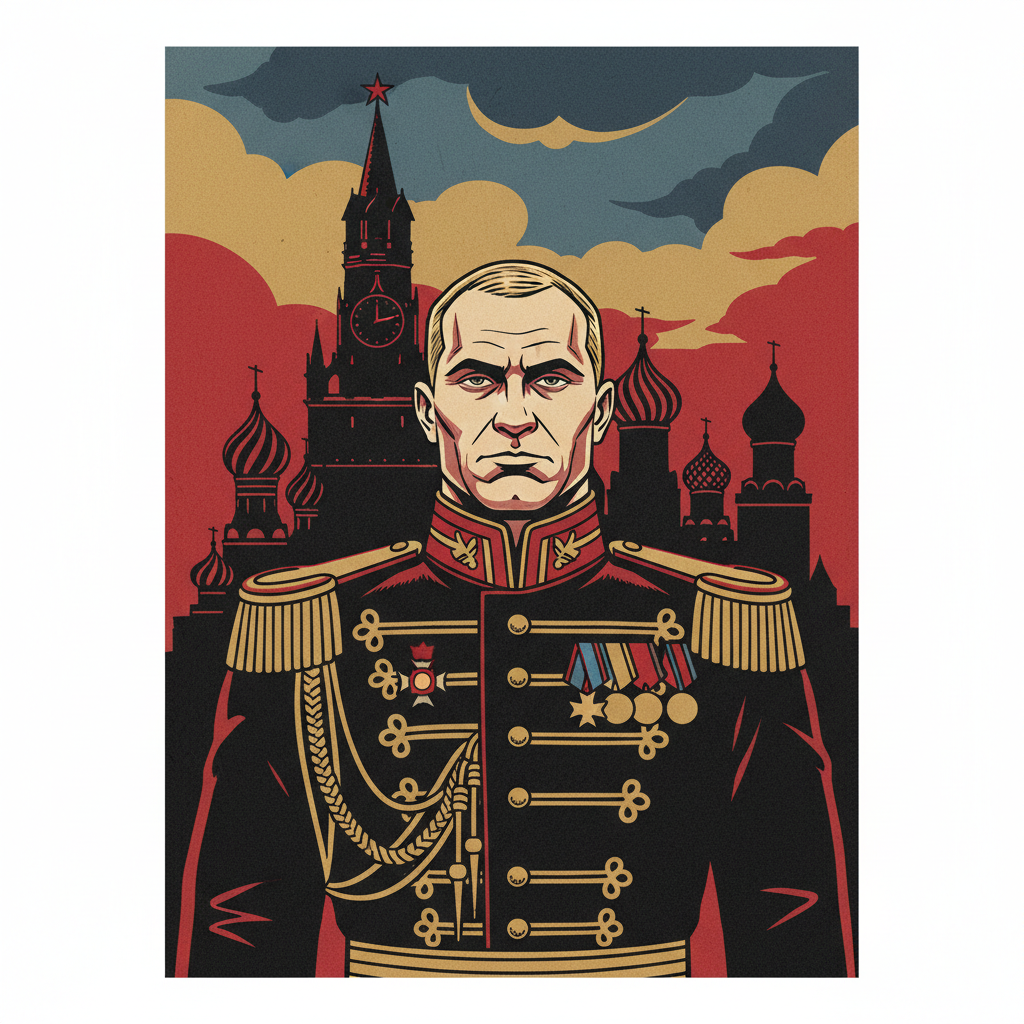
Vladimir Putin's Central Role in Current Geopolitics
As President of the Russian Federation, Vladimir Putin remains at the nexus of major global geopolitical developments. His decisions directly impact the trajectory of the conflict in Ukraine, energy markets, and international security architectures. Live data indicates that Russia is his top connection by signal volume, with 68 tracked signals, followed by Ukraine at 36 signals, illustrating the overwhelming focus of current events around these two nations. GeoGazet tracking shows a total of 100 tracked events, underscoring the dynamic nature of the environment Putin navigates.
Intensifying Pressure on Crimea
Recent intelligence signals highlight a significant escalation of Ukrainian operations targeting Russian-occupied Crimea. GeoGazet tracking reports "Ukraine intensifies attacks on Crimea to raise cost of Russian occupation." This strategic push aims to disrupt Russian logistics, diminish military capabilities, and undermine Moscow's administrative control over the annexed peninsula. The human impact of these actions on the ground is also evident, with further GeoGazet signals indicating "No Gas, No Summer Camps, Sporadic Power: Ukraine Escalates Crimea Attacks." These disruptions represent a direct challenge to the Russian administration's ability to maintain normalcy and provide essential services in the occupied territories, placing pressure on Putin's government. The increased operational tempo in Crimea is designed to demonstrate Ukraine's capacity to strike deep into Russian-held areas, raising the economic and military burden of the occupation for the Kremlin.
Historical Narratives and International Engagements
The narrative surrounding the conflict continues to evolve with significant historical comparisons being drawn. GeoGazet tracking noted that "Zelenskyy draws parallels between Nazi Germany's invasion of USSR and Russia's war against Ukraine." This comparison, made by the Ukrainian President, serves to frame the current conflict within a historical context of existential struggle against aggression, mirroring the rhetoric often employed by Russia to justify its own actions. Such historical framing is a critical component of information warfare, seeking to mobilize domestic and international support while delegitimizing the adversary. Beyond the immediate conflict, Putin's broader international engagements are also tracked, albeit at a lower signal volume. For instance, Indonesia is identified as a top connection with 3 tracked signals, suggesting ongoing diplomatic or economic interactions beyond the direct conflict zone.
What to Watch Next
Future developments to monitor include Russia's response to the intensified Ukrainian attacks on Crimea, particularly regarding potential retaliatory measures or adjustments to its defensive posture. Observers should also watch for shifts in public messaging from Moscow concerning the costs and justifications of the ongoing "special military operation." Furthermore, any indications of new diplomatic overtures or further consolidation of alliances outside the immediate conflict zone will be important indicators of Putin's evolving strategic calculus.