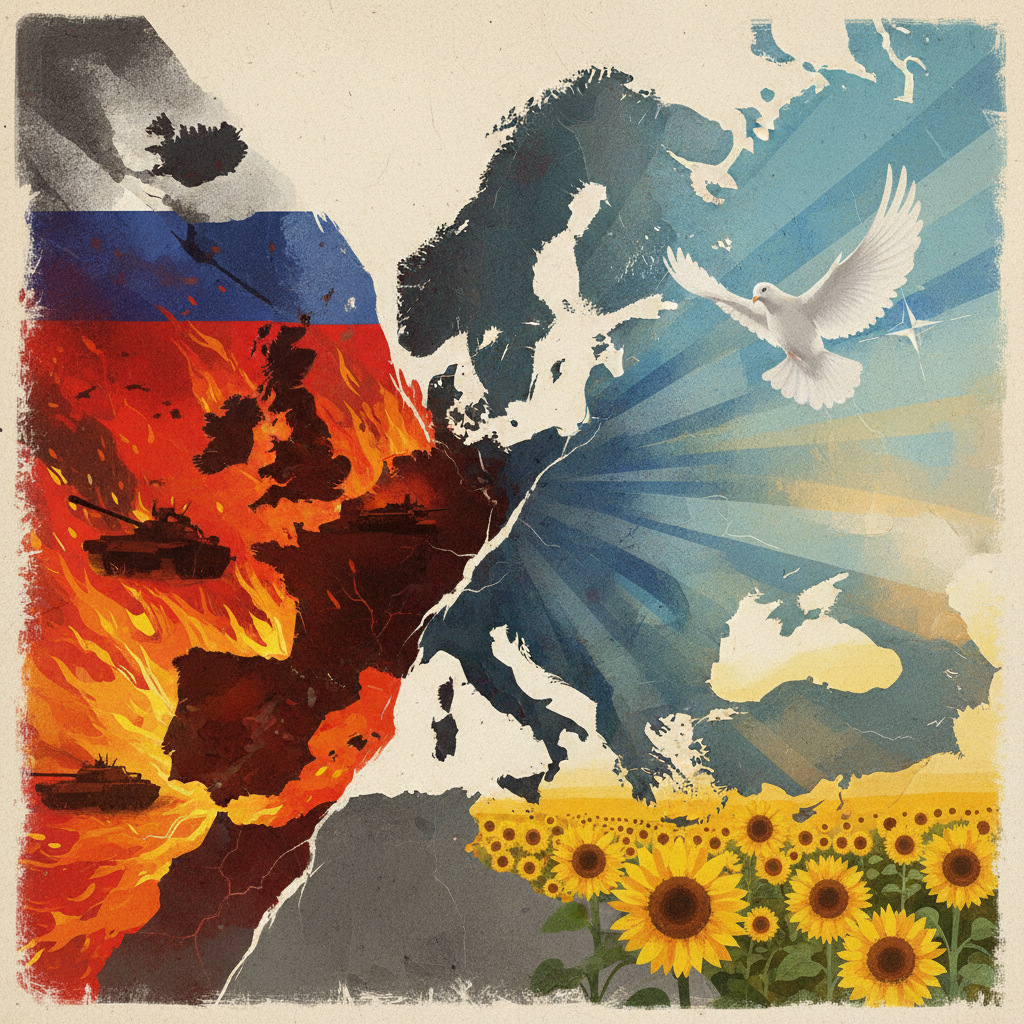
Geopolitical Context and Current Trajectory
The Ukraine War maintains an exceptionally high global influence score of 88/100, indicating its sustained geopolitical significance. The conflict, having transitioned from initial large-scale maneuvers to a grinding war of attrition, continues to be a central determinant in international security architecture. GeoGazet tracking records a total of 100 tracked events, demonstrating the persistent intensity and complexity of the situation. Top connections by signal volume underline the primary actors and key operational aspects: Russia generates 90 tracked signals, Ukraine 87 tracked signals, and "Missiles & Strikes" 14 tracked signals, highlighting the enduring nature of aerial bombardment and long-range engagement.
Recent signals from GeoGazet tracking illustrate the ongoing dynamics. A report stating "Russia attacks Ukrainian capital Kyiv with ballistic missiles on eve of critical NATO summit" exemplifies Moscow's continued strategic use of force, often timed to coincide with significant international diplomatic events to project power and disrupt Western unity. This reflects a persistent Russian effort to degrade Ukrainian defensive capabilities and intimidate its allies.
Frontline Realities and Emerging Warfare
The ground truth of the conflict reveals localized but fierce engagements. "Russia says Ukraine rejects local ceasefire in dispute over Kostiantynivka" points to the continued strategic importance of specific towns and territories, where even limited ceasefires remain elusive due to deep-seated disagreements over control. Such reports highlight the challenges of de-escalation and the intractable nature of territorial disputes that fuel the fighting. The reality for combatants is grim, as described by the signal "Far From Kyiv and Moscow, Soldiers Stalk Ruins and Evade Drones on the Front." This illustrates the modern nature of trench warfare, where human endurance is tested amidst widespread destruction, and unmanned aerial vehicles play an increasingly critical role in reconnaissance, targeting, and psychological warfare. This combination of traditional artillery duels and advanced drone operations defines the tactical landscape.
Historically, protracted conflicts like the Korean War or the various proxy wars of the Cold War era demonstrate how geopolitical rivalries can settle into long-term stalemates, where resolution is gradual and often involves shifting international alignments. The Ukraine War appears to be following a similar trajectory, with both sides deeply entrenched in their objectives and external support playing a decisive role.
What to Watch For Next
Moving towards 2026, several critical factors will shape the conflict's evolution and subsequent Reddit discussions. These include the sustained flow of Western military and financial aid to Ukraine, the development of Russia's domestic arms production and its ability to circumvent sanctions, and the impact of upcoming elections in key supporting nations. The continued adaptation of drone technology and electronic warfare, potential breakthroughs or collapses on specific front lines, and the global energy market's response to continued disruptions will also be crucial indicators of the war's future direction.