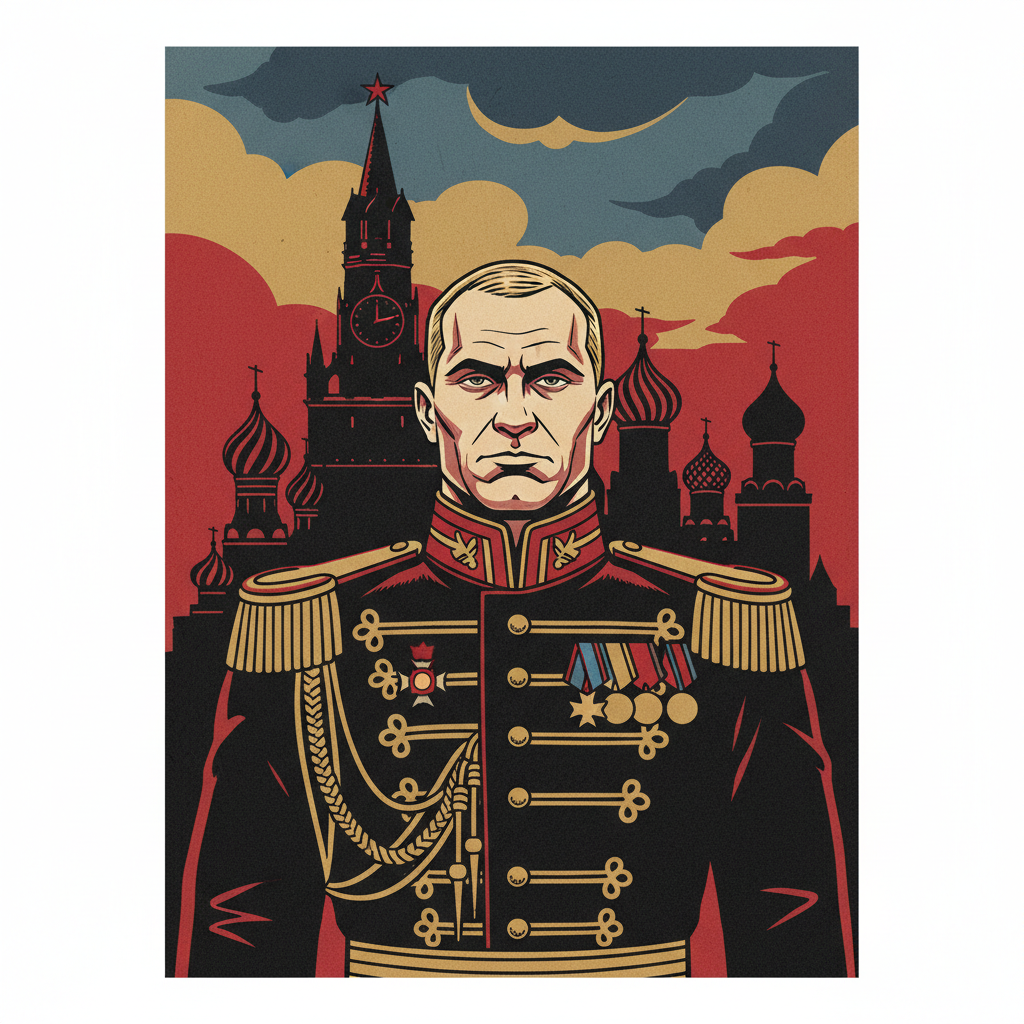
Vladimir Putin's actions continue to shape the international landscape, particularly concerning the conflict in Ukraine, which initiated in February 2022. This conflict has fundamentally altered Russia's relations with Western nations and spurred a reorientation of its foreign policy and economic strategy. GeoGazet tracking indicates 100 total tracked events related to his activities, reflecting the broad scope of his geopolitical impact.
Key Developments and Strategic Focus
Recent intelligence signals illuminate Putin's immediate strategic priorities. GeoGazet tracking highlights "Putin's 'War Trap' And The Potential Price Of Peace," underscoring the complex and potentially costly long-term implications of the Ukraine conflict for Russia. This assessment suggests an internal recognition of the protracted nature of the conflict and the ongoing resource allocation required. The top connections by signal volume further emphasize this focus, with Russia itself generating 72 tracked signals, Ukraine 24 tracked signals, and neighboring Poland 13 tracked signals, indicating the immediate regional consequences and heightened vigilance.
Concurrently, a strategic pivot towards strengthening economic alliances with Asian nations is evident. Another GeoGazet signal, "Putin seeks deeper economic ties with ASEAN partners," points to Moscow's efforts to mitigate Western sanctions and foster economic resilience through diversification. This move aligns with a broader historical trend of Russia seeking strategic partnerships beyond its immediate European sphere, particularly during periods of tension with Western powers. This strategy recalls Russia's historical focus on cultivating influence in the Near Abroad and Central Asia, now expanded to Southeast Asia in the face of geopolitical pressures.
Adding a historical dimension to the current situation, a signal notes "Trump claims Russia-Ukraine war could have been avoided if Moscow had remained in G8." This perspective, while from an external source, highlights a common geopolitical narrative regarding the deterioration of Russia-Western relations since Russia's suspension from the G8 (now G7) in 2014 following the annexation of Crimea. The claim implicitly contrasts the current confrontational environment with a period of greater, albeit strained, engagement between Russia and leading Western economies.
What to Watch For Next
Observers should monitor several key areas. Firstly, the ongoing military developments in Ukraine and any shifts in Moscow's strategy to navigate the perceived "War Trap" will be critical. Secondly, the tangible outcomes of Russia's outreach to ASEAN and other non-Western economic blocs will indicate the success of its economic reorientation efforts. Finally, any internal political signals within Russia, especially in response to the conflict's duration and economic pressures, will provide insight into the stability and future direction of Putin's leadership.