沃洛德梅尔·泽连斯基为何成为总统
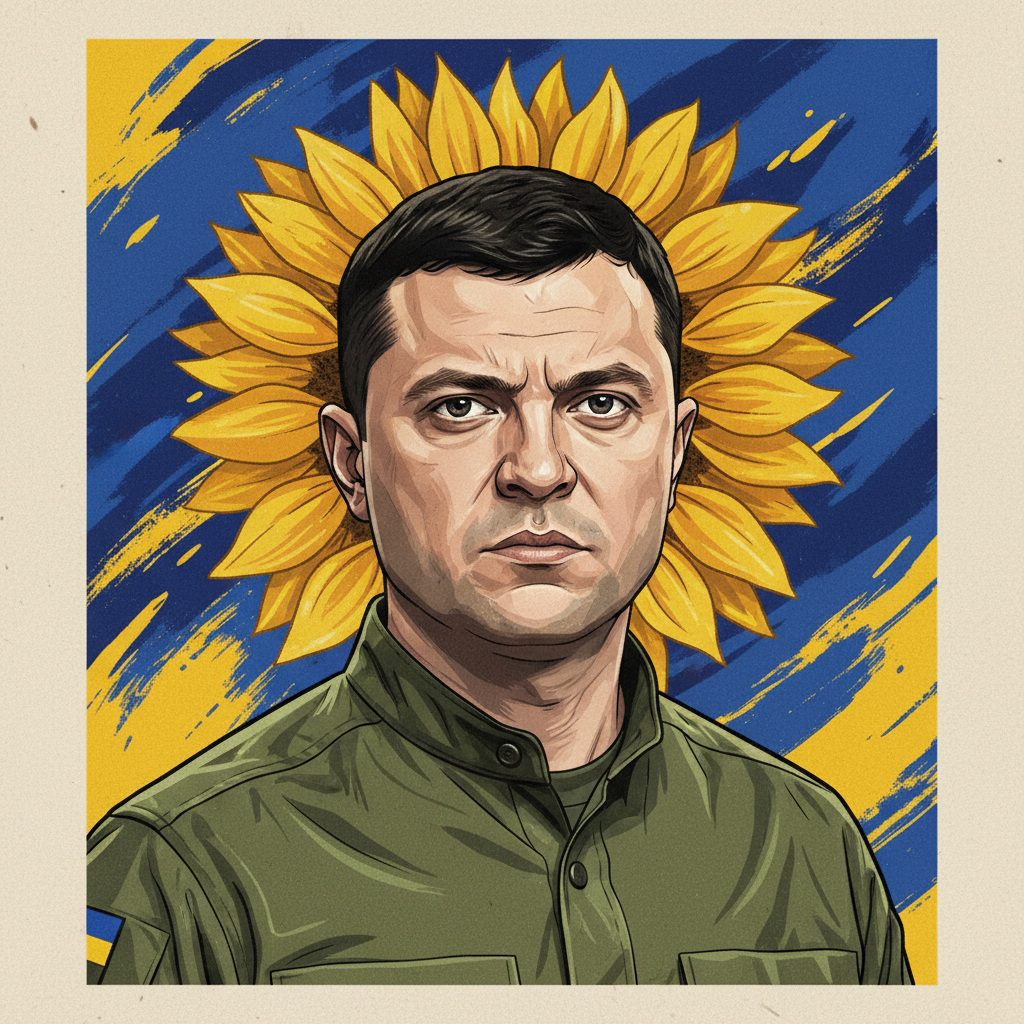
Volodymyr Zelensky became president in 2019 after winning a landslide election, capitalizing on public frustration with corruption and the ongoing conflict in eastern Ukraine.
He ran on a reform platform promising to end the war.
阅读完整报告显示更少
From Entertainment to Political Outsider
Zelensky was a television and film actor before entering politics, which shaped his campaign as a genuine outsider challenge to Ukraine's political establishment. He played the role of a fictional Ukrainian president in the 2015 TV series "Servant of the People" before running for the actual office four years later. His entertainment background gave him exceptional communication skills and media savvy at a moment when Ukrainians were exhausted by traditional political figures. In the March 2019 election, he won 73 percent of the vote in the first round, the strongest mandate any Ukrainian president had received since independence.
Economic Grievance and Anti Corruption Platform
Ukraine's economy had stagnated under previous administrations, with widespread corruption draining resources and foreign investment. Zelensky campaigned explicitly against oligarchic influence and promised structural reforms to align Ukraine with European institutions and standards. His anticorruption message resonated particularly with younger voters and urban populations who had organized mass protests in 2013 and 2014. By 2019, Ukrainians were looking for demonstrable change in governance, and Zelensky's outsider status offered plausible distance from the networks of organized crime and state capture that characterized earlier administrations.
War and International Credibility
The ongoing conflict with Russian backed forces in Donbas created urgency around leadership competence and diplomatic skill. Zelensky promised to pursue peace negotiations while maintaining Ukrainian sovereignty, positioning himself as capable of managing both military and diplomatic dimensions of the conflict. Though these early peace efforts did not succeed, his willingness to engage internationally and his subsequent resistance during Russia's 2022 full scale invasion established him as a credible wartime leader. As of 2026, Zelensky remains president and maintains an influence score of 58 out of 100, with Ukraine generating 78 tracked geopolitical signals connected to his administration.
Sustained Support Through Crisis
Zelensky's approval ratings have fluctuated with military fortunes and the grinding nature of sustained conflict, yet he has consolidated sufficient institutional and public support to remain in office. Recent diplomatic overtures, including his administration's award of Ukraine's Order of Princess Olga to Melania Trump for humanitarian work, reflect ongoing efforts to maintain international coalition support and visibility. His presidency has transformed from an unexpected electoral victory into a test of whether reform promises can coexist with existential security threats, a challenge that continues to define his tenure.