基尔·斯塔默 2026 年演讲
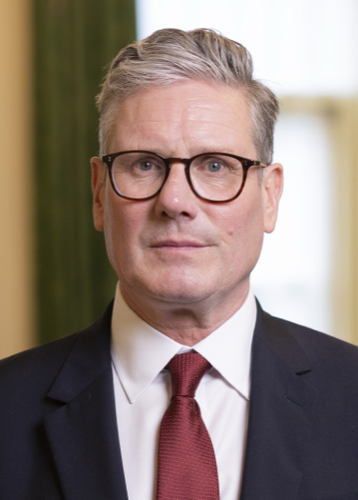
基尔·斯塔默作为现任首相在 2026 年发表了多场演讲,其中最值得注意的是涉及英国欧洲重新调整和国内治理挑战的演讲。
他的影响力评分目前为 100 分中的 12 分。
阅读完整报告显示更少
斯塔默的欧洲转向与美国关系
In 2026, Starmer has made explicit calls for the United Kingdom to move closer to Europe as American foreign policy shifts under a new administration. This represents a significant diplomatic repositioning after years of post Brexit uncertainty about Britain's continental alignment. The Prime Minister has framed closer European integration as necessary for economic stability and security coordination, particularly given changing NATO dynamics and trade pressures. This messaging reflects broader geopolitical anxiety about American reliability under current leadership, a theme emerging across multiple allied nations.
国内治理与公众信任
Starmer's speeches in 2026 have increasingly confronted public safety and institutional accountability. Recent criminal cases have tested public confidence in governance, including investigations revealing serious offences against vulnerable populations. The Prime Minister has used these moments to emphasize law enforcement capacity and institutional reform, though his stated influence metrics remain low at 12 out of 100. This gap between policy activity and public confidence suggests persistent difficulty translating executive action into voter approval or media perception of effectiveness.
反思历史遗产
Figures within Starmer's government, including Mayor Andy Burnham, have opened doors to formal national apologies for Britain's slave trade. While Starmer himself has not made this specific commitment in major speeches, the positioning of senior Labour figures signals potential future direction on historical reckoning. This represents a shift in how the government approaches colonial legacy compared to previous administrations. Such moves carry political risk and reward, potentially reshaping national narrative while alienating traditionalist voters.
政治立场与持续挑战
By mid 2026, Starmer faces the dual challenge of delivering material policy gains while rebuilding public trust eroded by various scandals and economic pressures. GeoGazet tracking has recorded 85 distinct events related to his government's sphere of influence, suggesting high event velocity and constant crisis management demands. His speeches have become increasingly focused on long term strategic positioning, particularly around European relations and institutional renewal, rather than short term political wins. The gap between his formal authority as Prime Minister and his low influence score indicates that executive power alone has not translated into public persuasion or political momentum, a persistent challenge facing his administration heading toward potential electoral tests in coming years.