弗拉基米尔·普京为何如此强大?
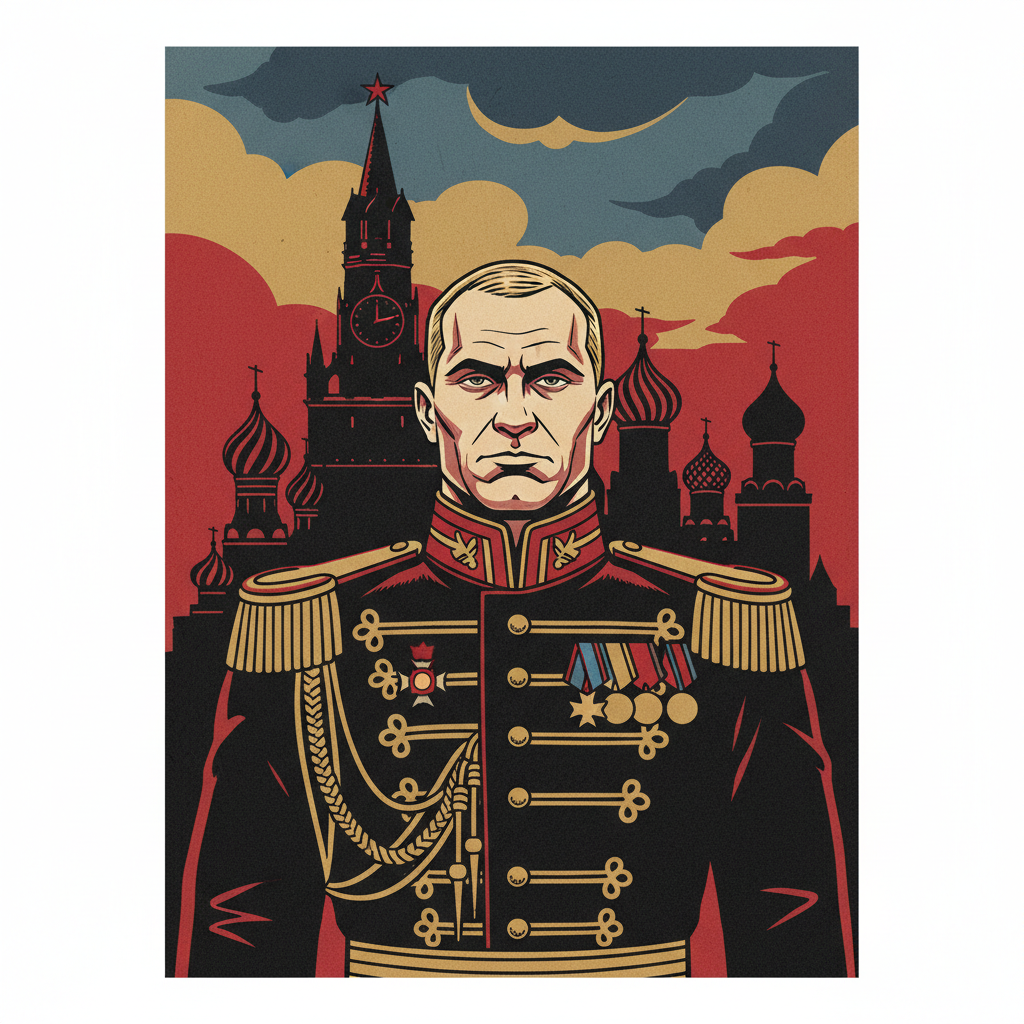
Putin maintains near total power in Russia through control of state institutions, security apparatus dominance, and strategic management of regional and international relationships.
His influence extends across former Soviet states and Middle Eastern conflicts.
阅读完整报告显示更少
Institutional Control and State Consolidation
Putin has spent 14 years as president consolidating authority over Russia's government, judiciary, and bureaucracy. Key institutions operate under the direction of trusted allies or former security service colleagues, creating a parallel power structure that ensures decisions flow through Putin's office rather than through formal constitutional channels. Regional governors report directly to the Kremlin, and major business decisions require implicit or explicit approval from Putin's inner circle. This system leaves no significant independent power centers that could challenge his authority domestically.
Military and Security Apparatus Dominance
Russia's military and intelligence services remain the primary pillar of Putin's power, with former FSB and KGB officials filling critical positions throughout government. The security apparatus controls information flows, manages opposition movements, and executes state policies without meaningful civilian oversight. Recent conflicts in Ukraine demonstrate Russia's capacity to deploy this military infrastructure at scale, with sustained operations requiring coordination across defense ministry, intelligence agencies, and military commands all answerable to Putin. Control over these institutions ensures no internal rival can threaten his position.
Regional and International Leverage
Putin's influence extends beyond Russia's borders through energy exports, military deployments, and diplomatic relationships with strategically important nations. Ukraine remains under active military pressure from Russian forces, with Zelensky recently slamming US inaction following Russian bomb attacks, indicating ongoing Russian military initiative in the region. Iran represents another key relationship, with recent reports that Putin offered to help end the Iran war, demonstrating Moscow's position as a negotiating power in Middle Eastern conflicts. These external relationships reinforce Putin's domestic legitimacy by positioning Russia as a major geopolitical player.
Economic and Oligarchic Management
Putin maintains power partly through management of Russia's wealthiest figures and control over major business assets. Recent disputes involving oligarch controlled companies, such as the Stoli vodka empire, illustrate that even prominent business owners operate within constraints set by Putin's government. Russian state controlled enterprises in energy, defense, and finance generate revenues that fund the security apparatus and allow Putin to reward loyalists while punishing opponents through selective enforcement of law and asset seizure. This economic control structure prevents any business leader from accumulating independent political power.
Putin's consolidation of these four dimensions of power over 14 years has created a system where no individual or institution can effectively challenge his authority. His perfect influence score of 100 out of 100 reflects the absence of significant competing power centers within Russia's political system.