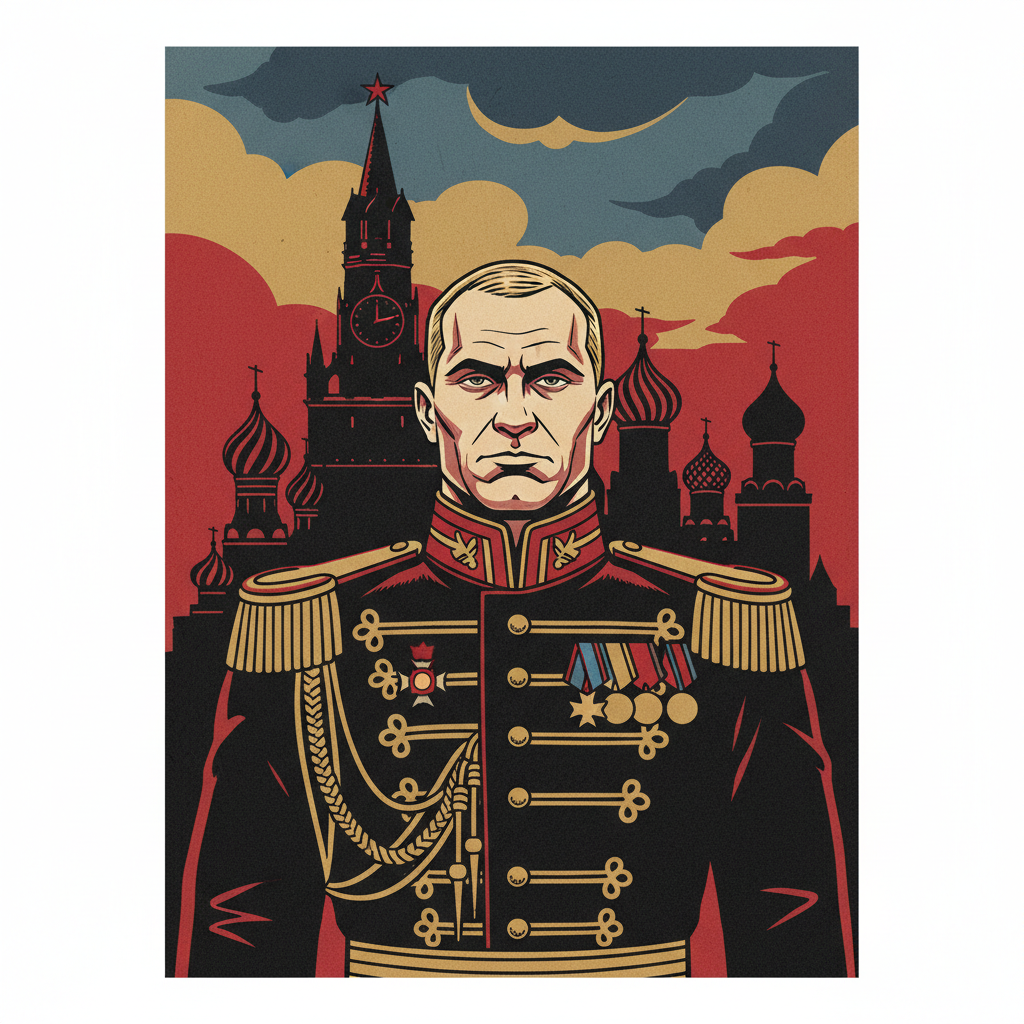
Putin has governed Russia for over two decades, presiding over a period marked by significant geopolitical shifts, including the ongoing conflict in Ukraine. His current influence score is recorded at 100/100, reflecting his central and dominant role in Russian political life and global affairs. This high influence is often channeled through a narrative that emphasizes national strength and resilience in the face of external pressures.
Domestic Support and National Identity
A cornerstone of Putin's popularity lies in his ability to appeal to a deep-seated sense of Russian national identity and cultural heritage. Signals tracked by GeoGazet, such as "Putin's Struggle for Russian Culture," highlight his consistent efforts to position himself as a defender and promoter of traditional Russian values. This resonates with a populace that experienced a period of perceived decline and instability after the collapse of the Soviet Union. His administration has fostered a narrative of national resurgence, contrasting sharply with the economic hardships and social dislocations of the immediate post-Soviet era. The sheer volume of "Russia (69 tracked signals)" among his top connections by signal volume indicates a strong focus on internal affairs and national interests in his public messaging.
Responding to External Pressures
Putin’s leadership is frequently characterized by his firm stance against what he frames as external aggression and interference. The conflict in Ukraine, for instance, which accounts for "Ukraine (36 tracked signals)" as a top connection, is often presented domestically as a necessary measure to protect Russia's security interests and compatriots. Even as international bodies report on events such as a "Russian barrage in Ukraine kills 11 and damages a sacred landmark, officials say," or when "Volodymyr Zelensky offers Vladimir Putin talks after Russian strike damages UNESCO monastery," Putin's internal narrative typically frames such actions within a defensive or national interest context. The imposition of "Sanctions (5 tracked signals)" by Western powers is similarly often depicted as an attempt to weaken Russia, thereby reinforcing the need for a strong national leader. This approach draws upon historical comparisons, tapping into a long-standing Russian geopolitical identity of a powerful state defending itself against external threats.
Perceived Stability and Strong Leadership
The perception of Putin as a guarantor of stability is a critical factor in his popularity. Having inherited a country grappling with economic turmoil and Chechen separatism, his initial years were marked by a restoration of order and a reassertion of central authority. This perceived stability, combined with an image of a decisive and unwavering leader, holds significant appeal for many Russians who recall the uncertainties of the 1990s. The "Total tracked events in GeoGazet graph: 100" signifies the constant and significant activity surrounding his leadership, indicating his pervasive presence in national and international discourse.
What to watch for next: Future shifts in Vladimir Putin's popularity will likely depend on the long-term economic impact of international sanctions, the trajectory and outcome of the conflict in Ukraine, and his continued ability to deliver on promises of national strength and stability to the Russian people.