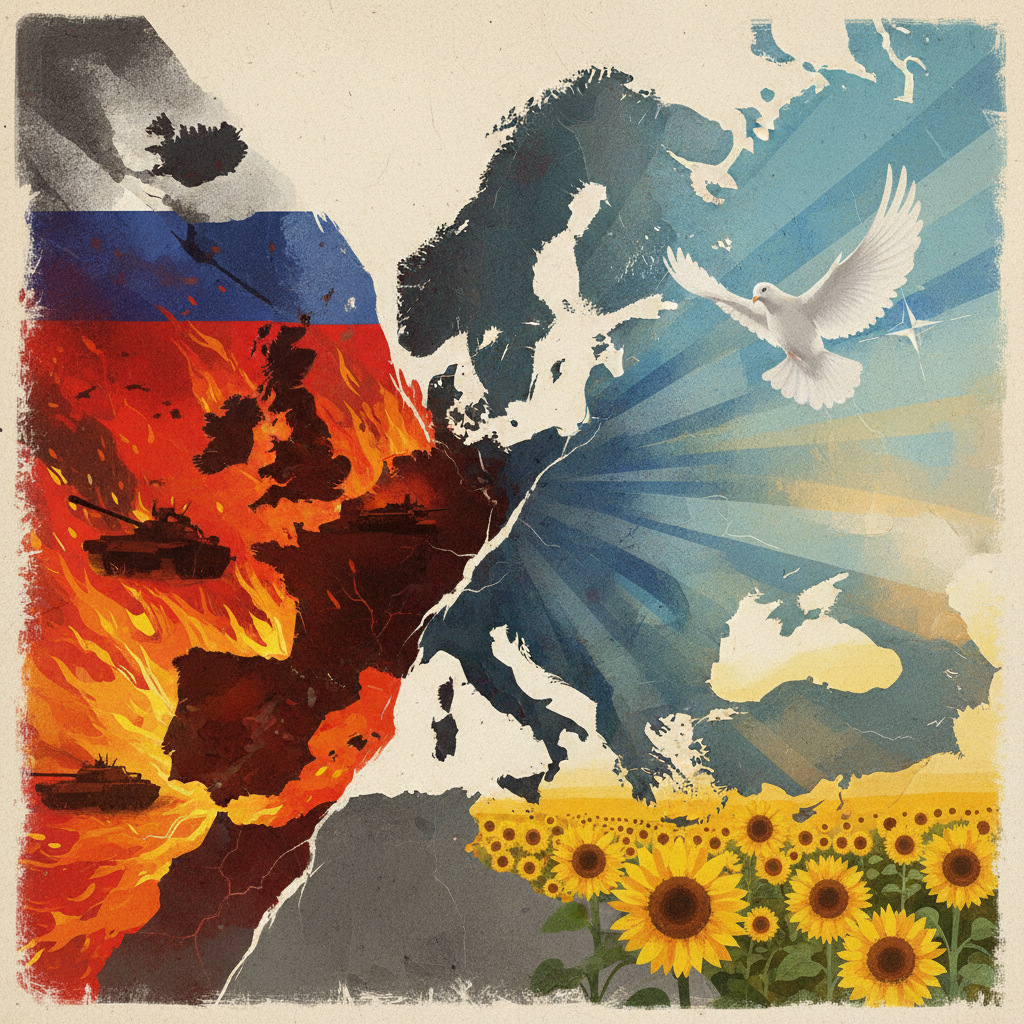
Geopolitical Stance and Persistent Engagement
As of April 2026, the global geopolitical landscape continues to be heavily influenced by the protracted conflict in Ukraine. The conflict's current influence score stands at 74 out of 100, reflecting its enduring impact on international security and economic stability. GeoGazet tracking indicates sustained global attention, with top connections by signal volume including Ukraine (90 tracked signals), Russia (89 tracked signals), and Missiles & Strikes (20 tracked signals). This data highlights the continuous focus on the belligerents and the destructive nature of the combat. The ongoing conflict has fostered a prolonged period of strategic competition, drawing comparisons to extended historical standoffs, such as the Korean War stalemate or proxy conflicts during the Cold War era.
International Support and Defensive Capabilities
International support for Ukraine remains a critical factor in the conflict's continuation. A recent signal from GeoGazet tracking indicates that "NATO pledges 70 billion euros for Ukraine as Trump praises peace ‘progress’". This development underscores the dual nature of Western engagement: a robust financial commitment to bolster Ukraine's defense, alongside persistent, albeit often contradictory, signals regarding potential pathways to peace. Concurrently, efforts to strengthen Ukraine's defensive infrastructure are progressing, exemplified by the GeoGazet signal reporting "License to Make Patriot Missiles Could Help Ukraine Defend Against Russia". Such initiatives are crucial for countering Russia's continued missile and drone attacks, aiming to enhance Ukraine's air defense capabilities and protect critical infrastructure.
Military Operations and Analytical Oversight
Military operations in April 2026 largely involve entrenched positional warfare, intense artillery duels, and targeted missile and drone strikes deep behind front lines. While major territorial gains have become infrequent for either side, localized engagements remain fierce, with continuous attrition. GeoGazet tracking reveals a significant volume of associated events, with a total of 100 tracked events in its graph, illustrating the complexity and multifaceted nature of the conflict. The ongoing need for detailed assessments is further evidenced by signals such as "The Russia-Ukraine War Report Card, July 8, 2026," which points to continuous analytical scrutiny of military performance and strategic shifts even in upcoming months. This sustained analysis reflects the war's evolving dynamics and the constant adaptation required by both combatants.
What to Watch For Next
In the immediate future, observers should closely monitor the implications of NATO's pledged financial aid on Ukraine's combat effectiveness and economic stability. Further, the progress in Ukraine's domestic production of advanced defense systems, such as Patriot missiles, will be a key indicator of its long-term resilience. The interplay between sustained Western military support and any evolving diplomatic overtures, particularly from influential global actors, will determine the trajectory of the conflict. Any significant shifts in political leadership within Russia or key Western nations could also alter strategic calculations and potentially open new avenues for either escalation or de-escalation.