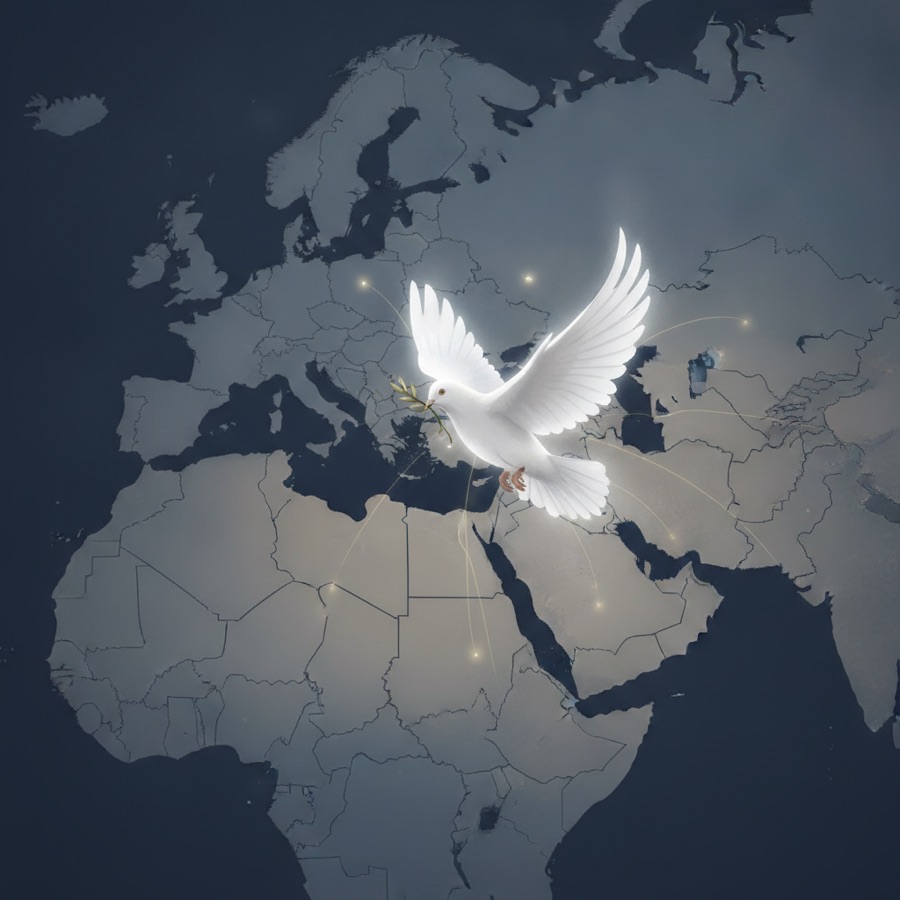
Xung đột Dải Gaza đại diện cho một trong những cuộc khủng hoảng nhân đạo và địa chính trị quan trọng nhất của những năm 2020, liên quan đến các hoạt động quân sự kéo dài, sự dịch chuyển của dân thường, và các nỗ lực ngoại giao liên tục hướng tới các thỏa thuận ngừng bắn. Xung đột có ý nghĩa ngay bây giờ vì nó vẫn chưa được giải quyết, tiếp tục tạo ra sự không ổn định khu vực, định hình các mối quan hệ quốc tế, và đã thiết lập một tiền lệ về cách các tổ chức toàn cầu phản ứng với xung đột vũ trang quy mô lớn và tổn hại dân thường. Việc hiểu rõ tình trạng hiện tại của ngoại giao xung đột Dải Gaza và tác động nhân đạo của nó là cần thiết để theo dõi an ninh Trung Đông, phản ứng nhân đạo, và những phát triển về luật pháp quốc tế.
xung đột gaza là gì
The Gaza conflict involves military operations between Israel and armed groups in the Gaza Strip, a densely populated territory on the eastern Mediterranean coast. The immediate cause centers on October 7, 2023, when Hamas and allied organizations launched attacks on Israeli territory, followed by Israeli military response in Gaza. The broader context includes decades of Israeli Palestinian tension, competing territorial claims, and the blockade and governance structures that have shaped Gaza for years.
tại sao có xung đột ở gaza
Root causes of the Gaza conflict include long standing disputes over land, self determination, and security concerns on both sides. The Palestinian population seeks statehood and relief from blockade conditions, while Israeli authorities cite security threats from armed groups operating in Gaza. The October 7 attacks intensified these tensions dramatically and triggered the current military phase. Regional powers, including Egypt, Iran, and various armed groups, have stakes in the outcome, complicating resolution efforts.
khi nào xung đột Ít-ra-ên gaza sẽ kết thúc
No firm end date exists. Ceasefire diplomacy has produced temporary agreements and humanitarian pauses, but sustained peace remains elusive. International mediators including Egypt, Qatar, and the United States have engaged in negotiation efforts, but fundamental disagreements over governance, reconstruction, and security arrangements persist. Expert assessments suggest resolution will require addressing underlying political questions about Gaza's future status and Palestinian self governance.
tin tức mới nhất về xung đột gaza
Recent reporting documents the scale of documented harm: one journalist's camera work has traced three years of impact in Gaza, creating visual records of civilian experience throughout the conflict. Meanwhile, stories of resilience emerge, including accounts of treasured possessions like books that represent cultural continuity despite displacement and destruction. These human centered accounts accompany ongoing news of military operations, humanitarian access negotiations, and diplomatic shuttling. The conflict's duration has also drawn increased international attention to documentation efforts, with photographers and journalists working to create records of events for posterity and accountability purposes.
xung đột ở dải Gaza ảnh hưởng đến các nhà báo như thế nào
Journalists covering Gaza face extraordinary operational challenges and security risks. The conflict zone environment limits access, creates dangers from military operations, and restricts movement through checkpoints and blockade conditions. Several international news organizations have had to work through limited local partnerships or remote reporting methods. Beyond physical risk, journalists also navigate information control, competing narratives, and pressure from various stakeholders. The work of documenting events, as shown through multi year photographic projects, requires sustained commitment despite these constraints and remains critical for international understanding of the conflict's human dimensions.